
Introduction
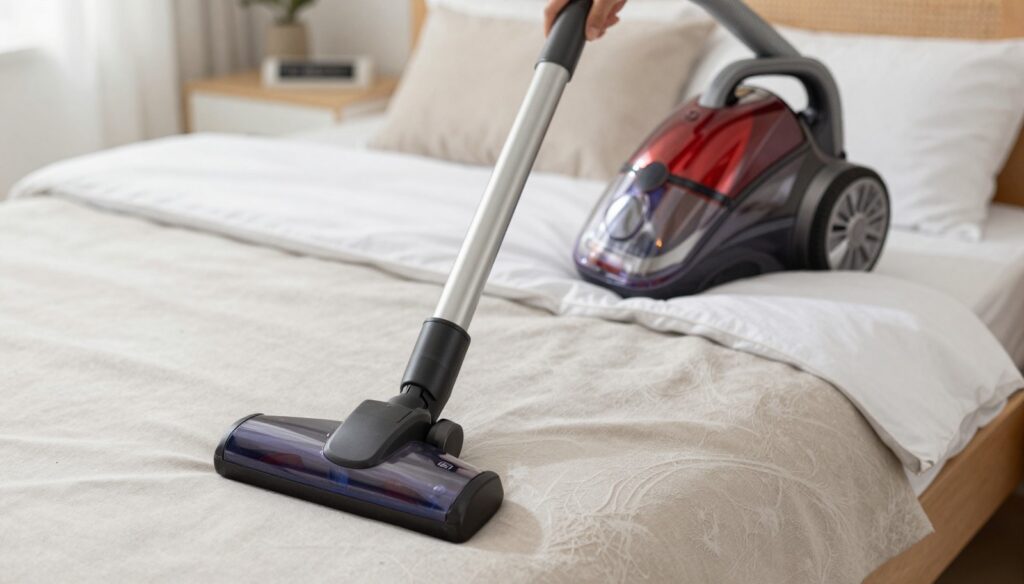
Your bed may look clean on the surface, but it can quietly collect dust, sweat, dead skin cells, and allergens over time. This buildup can affect your sleep quality and even trigger allergies or breathing discomfort. That’s why learning how to use vacuum cleaner for bed is an important part of maintaining a healthy sleeping environment.
Using a vacuum cleaner on your bed is one of the easiest and most effective ways to remove hidden dirt that regular cleaning often misses. It helps keep your mattress fresh, reduces dust mites, and improves overall hygiene without requiring much effort.
In this guide, you’ll learn a simple step-by-step method for how to use vacuum cleaner for bed, along with tips, mistakes to avoid, and best practices to keep your bed clean and comfortable all year round.
Table of Contents
Why You Should Vacuum Your Bed Regularly
Keeping your bed clean is essential for both your health and comfort. Learning how to use vacuum cleaner for bed cleaning is one of the simplest and most effective ways to maintain a hygienic sleeping environment. Your mattress and bedding can collect dust, allergens, and bacteria over time—even if they look clean on the surface.
Removes Dust Mites and Allergens
Beds are a perfect place for dust mites to live because they feed on dead skin cells. These tiny organisms can trigger allergies, sneezing, and breathing issues. When you understand how to use vacuum cleaner for bed, you can remove a large portion of these allergens and create a healthier space to sleep.
Eliminates Dead Skin Cells and Dirt
Every night, your body sheds skin cells and natural oils. Over time, this buildup attracts dirt and bacteria. Vacuuming your bed regularly helps remove this hidden debris and keeps your mattress fresh and clean.
Improves Sleep Hygiene
A clean bed directly affects your sleep quality. Dust and allergens can cause discomfort, itching, or even poor sleep. By knowing how to use vacuum cleaner for bed, you ensure a cleaner surface that promotes better rest and overall well-being.
Reduces Allergies and Breathing Problems
If you suffer from allergies or asthma, a dirty mattress can make symptoms worse. Regular vacuuming reduces airborne particles and improves indoor air quality, making it easier to breathe while you sleep.
Extends the Life of Your Mattress
Dust and debris can wear down mattress materials over time. Regular cleaning prevents buildup that can damage the fabric and internal layers. Using the right method for how to use vacuum cleaner for bed helps keep your mattress in good condition for longer.
Keeps Your Bed Fresh and Odor-Free
Over time, sweat and moisture can lead to unpleasant odors. Vacuuming helps remove particles that contribute to odors, leaving your bed feeling fresher.
Things You Need Before You Start
Before learning how to use vacuum cleaner for bed, it’s important to gather the right tools. Having everything ready will make the cleaning process faster, easier, and more effective.
A Vacuum Cleaner with Attachments
Not all vacuum cleaners are equally effective for beds. You should use one that comes with:
- Upholstery attachment (for fabric surfaces)
- Crevice tool (for seams and corners)
- Soft brush (to avoid damaging the mattress)
These attachments help you clean deeply without harming the material.
Clean Bedding
You’ll need fresh bedsheets, pillowcases, and covers ready. After you finish the process of how to use vacuum cleaner for bed, replacing old bedding ensures your bed stays clean and hygienic.
Baking Soda (Optional but Recommended)
Baking soda is great for removing odors and moisture from your mattress. Sprinkling a light layer before vacuuming can improve results and leave your bed smelling fresh.
Mattress Spray or Disinfectant (Optional)
A light mattress spray can help kill bacteria and add freshness. Make sure it’s safe for fabric and not too harsh.
Soft Cloth or Brush
Some areas may need gentle scrubbing, especially if there are stains. A soft cloth or brush can help loosen dirt before vacuuming.
Good Ventilation
Open windows or ensure airflow in the room. Fresh air helps remove moisture and keeps your mattress dry after cleaning.
Step-by-Step Guide: How to Use Vacuum Cleaner for Bed
Now that you have everything ready, it’s time to follow the correct method for how to use vacuum cleaner for bed. Using the right technique ensures deep cleaning and better results.
Step 1: Remove All Bedding
Start by taking off bedsheets, pillowcases, blankets, and mattress covers. This exposes the mattress surface and allows you to clean it properly.
Step 2: Vacuum the Mattress Surface
Attach and use the upholstery tool on your vacuum cleaner. Move it slowly across the mattress in straight, overlapping lines. This helps pick up dust, dirt, and allergens more effectively.
Step 3: Focus on Seams and Edges
Dust and debris often collect in seams, corners, and edges. Use a crevice tool to clean these areas thoroughly, as they are easy to miss but very important.
Step 4: Sprinkle Baking Soda (Optional)
For deeper cleaning, sprinkle a light layer of baking soda over the mattress. Let it sit for 15–30 minutes to absorb odors, then vacuum it again.
Step 5: Flip the Mattress (If Possible)
If your mattress is double-sided, flip it over and repeat the vacuuming process on the other side. This ensures complete cleaning.
Step 6: Vacuum the Bed Frame
Don’t forget the bed frame, especially if it’s upholstered or wooden. Dust can collect there and transfer back to the mattress.
Step 7: Let the Mattress Air Out
Allow the mattress to breathe for a while before putting clean bedding back on. This helps remove moisture and keeps it fresh.
How Often Should You Vacuum Your Bed?
Knowing how to use vacuum cleaner for bed is important—but doing it at the right frequency is just as essential. Regular cleaning keeps your mattress free from dust, allergens, and bacteria, helping you maintain a healthier sleeping environment.
For General Cleaning
For most people, vacuuming your bed once every 2–3 weeks is enough to keep it clean. This routine helps remove everyday dust, dirt, and skin particles before they build up.
For Allergy or Asthma Sufferers
If you have allergies or breathing issues, you should vacuum your bed once a week. Frequent cleaning reduces dust mites and allergens, making your sleep more comfortable.
During Hot or Humid Weather
In warm or humid conditions, sweat and moisture can increase buildup in your mattress. It’s better to vacuum your bed weekly during these periods.
After Illness
If you’ve recently been sick, vacuum your bed as soon as possible. This helps remove germs and keeps your sleeping space hygienic.
Deep Cleaning Routine
Along with regular vacuuming, you should do a deep clean every 2–3 months. This can include:
- Using baking soda
- Cleaning both sides of the mattress
- Vacuuming the bed frame
Quick Tip
Even if your bed looks clean, it still collects invisible dust and allergens. That’s why following a routine for how to use vacuum cleaner for bed is key to maintaining long-term cleanliness.
Tips for Better Results
Once you understand how to use vacuum cleaner for bed, a few smart tips can make your cleaning routine even more effective. These simple improvements help you remove more dust, eliminate odors, and keep your mattress in top condition.
Vacuum Slowly and Thoroughly
One of the most common mistakes is vacuuming too quickly. Move the vacuum slowly across the mattress to allow it to pick up as much dust and debris as possible. Slow, overlapping strokes give better results.
Use a HEPA Filter Vacuum
A vacuum with a HEPA filter traps tiny particles like dust mites and allergens. This is especially helpful if you or your family members have allergies.
Sprinkle Baking Soda Before Vacuuming
For extra freshness, lightly sprinkle baking soda on the mattress and let it sit for 15–30 minutes. Then vacuum it up. This helps absorb odors and moisture.
Clean Your Vacuum Regularly
A dirty vacuum can reduce cleaning efficiency. Empty the dust container and clean the filter regularly to ensure strong suction while following how to use vacuum cleaner for bed.
Don’t Forget Pillows and Cushions
Dust and allergens also collect in pillows and cushions. Vacuum them using a soft brush attachment for a complete clean.
Vacuum Both Sides of the Mattress
If your mattress is double-sided, always clean both sides. This prevents buildup and keeps the mattress fresh from all angles.
Maintain a Regular Cleaning Routine
Consistency is key. Even the best technique for how to use vacuum cleaner for bed won’t help if you only clean occasionally. Stick to a schedule for long-term results.
Common Mistakes to Avoid
Even if you know how to use vacuum cleaner for bed, small mistakes can reduce cleaning effectiveness. Avoiding these common errors will help you get better results and keep your mattress in good condition.
Vacuuming Too Quickly
Rushing through the process won’t remove deep dust and allergens. Moving the vacuum too fast only cleans the surface.
What to do instead: Use slow, steady, overlapping strokes for thorough cleaning.
Skipping Seams and Corners
Many people only clean the flat surface and ignore edges and seams. These areas trap the most dust and dirt.
What to do instead: Use a crevice tool to clean all seams and tight spaces.
Using the Wrong Attachment
Using a standard floor head can damage fabric or fail to clean properly.
What to do instead: Always use upholstery or soft brush attachments when applying how to use vacuum cleaner for bed.
Not Cleaning the Vacuum Filter
A clogged filter reduces suction power and spreads dust back into the air.
What to do instead: Clean or replace filters regularly for best performance.
Vacuuming a Damp Mattress
Moisture can damage your vacuum and create mold issues inside the mattress.
What to do instead: Always make sure the mattress is completely dry before vacuuming.
Ignoring Regular Cleaning
Only vacuuming once in a while allows dust and allergens to build up over time.
What to do instead: Follow a consistent routine to maintain cleanliness.
Not Replacing Bedding After Cleaning
Putting old sheets back on a clean mattress defeats the purpose of cleaning.
What to do instead: Always use fresh, clean bedding after vacuuming your bed.
Can You Use Any Vacuum Cleaner for Your Bed?
When learning how to use vacuum cleaner for bed, many people wonder if any vacuum will do the job. The short answer is: yes, but some work much better than others. Choosing the right type of vacuum cleaner can make a big difference in cleaning results.
Regular Vacuum Cleaners
Standard vacuum cleaners can be used for your bed, especially if they come with the right attachments. However, they are mainly designed for floors, so they may not always be as effective on mattresses.
Best for: Light cleaning and occasional use
Handheld Vacuum Cleaners
Handheld vacuums are easier to control and perfect for smaller surfaces like beds, pillows, and cushions. They allow better precision when following how to use vacuum cleaner for bed.
Best for: Quick and convenient cleaning
Vacuum Cleaners with HEPA Filters
These vacuums are designed to trap very fine particles like dust mites and allergens. They are an excellent option for individuals who suffer from allergies or asthma.
Best for: Deep cleaning and allergy control
Mattress-Specific Vacuum Cleaners
Some vacuums are specially designed for cleaning beds and upholstery. They often include features like UV light or strong suction for deeper cleaning.
Best for: Thorough and professional-level cleaning
Corded vs Cordless Vacuums
- Corded: More powerful and better for deep cleaning
- Cordless: More convenient and easier to handle
Tip: Choose based on your cleaning needs and comfort.
Key Takeaway
While you can use almost any vacuum, using the right type and attachments will give you the best results when practicing how to use vacuum cleaner for bed. A vacuum with strong suction and proper tools will clean more effectively and save you time.
Benefits of Using a Vacuum Cleaner for Bed Cleaning
Understanding how to use vacuum cleaner for bed is not just about cleaning—it’s about improving your overall health and comfort. Regular vacuuming offers several important benefits that go beyond what you can see on the surface.
Removes Allergens and Dust Mites
Vacuuming helps eliminate dust mites, pollen, and other allergens that build up in your mattress. This is especially helpful for people who suffer from allergies or asthma.
Improves Indoor Air Quality
A clean bed means fewer airborne particles in your room. When you follow the correct method for how to use vacuum cleaner for bed, you reduce the amount of dust circulating in the air.
Enhances Sleep Quality
Sleeping on a clean mattress reduces irritation, itching, and discomfort. This helps you fall asleep faster and enjoy more restful sleep.
Extends Mattress Lifespan
Dust and debris can break down mattress materials over time. Regular vacuuming prevents buildup and helps your mattress stay in good condition for longer.
Keeps Your Bed Fresh and Odor-Free
Vacuuming removes particles that cause bad smells, especially when combined with baking soda. This keeps your bed smelling clean and fresh.
Reduces Bacteria and Germs
While vacuuming alone doesn’t disinfect completely, it helps remove many particles that carry bacteria. This makes your sleeping environment more hygienic.
Easy and Time-Saving Cleaning Method
Once you learn how to use vacuum cleaner for bed, it becomes a quick and simple part of your routine. It saves time compared to deep washing methods while still giving great results.
FAQs
This section answers common questions people have when learning how to use vacuum cleaner for bed. Including FAQs also helps improve your chances of ranking on Google.
Can I vacuum my mattress every day?
Yes, but it’s not necessary for most people. Vacuuming your bed once a week is generally sufficient. Daily vacuuming is only recommended if you have severe allergies or specific health concerns.
Does vacuuming remove dust mites?
Vacuuming can remove a large number of dust mites and their waste, but it may not eliminate them completely. Using proper technique for how to use vacuum cleaner for bed along with regular cleaning helps keep them under control.
What is the best vacuum cleaner for beds?
The best vacuum cleaner is one with:
- Strong suction
- Upholstery attachment
- HEPA filter
Handheld or mattress-specific vacuums are also great options.
Should I vacuum my pillows too?
Yes, pillows can collect dust, sweat, and allergens. Use a soft brush attachment to gently vacuum them as part of your routine.
Can I use a vacuum cleaner on all types of mattresses?
Most mattresses can be vacuumed safely, including memory foam and spring mattresses. Just make sure to use a soft attachment to avoid damage.
Is vacuuming enough to clean a mattress?
Vacuuming is great for removing dust and debris, but combining it with baking soda or occasional deep cleaning gives the best results.
How long does it take to vacuum a bed?
It usually takes about 10–20 minutes, depending on the size of the mattress and how thorough you are.
Conclusion
Keeping your sleeping space clean is one of the simplest ways to improve your health and comfort. Once you understand how to use vacuum cleaner for bed, it becomes an easy habit that makes a big difference in your daily life.
Regular vacuuming helps remove dust, allergens, and hidden dirt that you can’t always see but still affects your sleep quality. It also keeps your mattress fresher, extends its lifespan, and creates a more hygienic environment for rest.
The key is consistency. Even a quick vacuuming session every 1–2 weeks can significantly improve cleanliness and comfort. Combine it with simple habits like fresh bedding and good ventilation, and your bed will always feel clean and inviting.