Introduction
Knowing how to deep clean a carpet is essential for keeping your home clean, healthy, and welcoming. While regular vacuuming removes surface dust and debris, it cannot reach the dirt, allergens, bacteria, and odors trapped deep within the carpet fibers. Over time, this hidden buildup can make your carpet look dull, reduce indoor air quality, and shorten its lifespan.
The good news is that you don’t need to replace your carpet when it starts looking worn or stained. With the right tools, cleaning solutions, and techniques, you can restore its appearance and freshness from the comfort of your home. Whether you’re dealing with everyday dirt, pet hair, stubborn stains, or lingering odors, deep cleaning can make a noticeable difference.
In this complete guide, you’ll learn how to deep clean a carpet step by step. We’ll cover the tools you’ll need, the best cleaning methods, homemade cleaning solutions, stain removal tips, common mistakes to avoid, and simple maintenance practices to help keep your carpet clean for longer. By the end of this guide, you’ll have everything you need to confidently deep clean your carpet and keep it looking its best.
Table of Contents
What Does Deep Cleaning a Carpet Mean
Deep cleaning a carpet goes beyond regular vacuuming. While vacuuming removes loose dirt, dust, and pet hair from the surface, deep cleaning reaches deep into the carpet fibers to remove trapped dirt, allergens, bacteria, stains, and odors. If you’re learning how to deep clean a carpet, it’s important to understand that this process helps restore the carpet’s appearance and creates a cleaner, healthier indoor environment.
Over time, carpets collect dust mites, pollen, food crumbs, pet dander, and other debris that a standard vacuum cannot remove. Deep cleaning uses water, specialized cleaning solutions, or steam to lift these contaminants from the fibers, leaving the carpet cleaner and fresher.
Whether you use a carpet cleaning machine, a steam cleaner, or a homemade cleaning solution, deep cleaning is designed to clean the carpet thoroughly rather than just improving its appearance. It also helps prevent permanent stains, reduces unpleasant odors, and extends the life of your carpet by keeping the fibers in better condition.
For most homes, deep cleaning is recommended every 6 to 12 months. However, households with pets, children, or people with allergies may benefit from deep cleaning every 3 to 6 months to maintain a healthier living space.
Regular Vacuuming vs. Deep Cleaning
| Regular Vacuuming | Deep Cleaning |
|---|---|
| Removes surface dust and debris | Removes deep-seated dirt and allergens |
| Helps keep carpets tidy | Restores the carpet’s freshness and appearance |
| Recommended once or twice a week | Recommended every 6–12 months |
| Does not remove stubborn stains | Helps remove many stains and lingering odors |
| Quick daily or weekly maintenance | Thorough cleaning for long-term carpet care |
Benefits of Deep Cleaning a Carpet
- Removes dirt hidden deep within carpet fibers.
- Eliminates dust mites, allergens, and bacteria.
- Reduces unpleasant odors caused by pets, spills, and moisture.
- Improves indoor air quality.
- Helps remove stubborn stains.
- Extends the lifespan of your carpet.
- Restores the carpet’s softness and original appearance.
Signs Your Carpet Needs Deep Cleaning
Knowing how to deep clean a carpet starts with recognizing when it actually needs a thorough cleaning. Even if your carpet looks clean, dirt, allergens, and bacteria can become trapped deep within the fibers over time. Watching for these signs can help you decide when it’s time to deep clean instead of relying on regular vacuuming alone.
Visible Stains
Food spills, muddy footprints, pet accidents, and drink stains can leave marks that regular vacuuming cannot remove. If stains remain after spot cleaning, a deep cleaning can help lift them from the carpet fibers.
Lingering Odors
If your carpet has an unpleasant smell even after vacuuming, dirt, moisture, or pet accidents may be trapped below the surface. Deep cleaning removes odor-causing bacteria and helps restore a fresh scent.
Heavy Foot Traffic
Carpets in hallways, living rooms, and entryways experience more wear than other areas. Heavy foot traffic pushes dirt deep into the fibers, causing them to look dull and worn. Deep cleaning helps revive these high-traffic areas.
Allergy Symptoms
If family members sneeze, cough, or experience itchy eyes more often indoors, your carpet may be holding dust mites, pollen, pet dander, and other allergens. Deep cleaning removes many of these hidden particles and can improve indoor air quality.
Matted Carpet Fibers
When carpet fibers become flattened and lose their softness, it is often a sign that dirt and debris have built up deep inside. A proper deep cleaning helps lift the fibers and restore their appearance.
Pet Hair and Dander Build-Up
Homes with pets collect hair, dander, and oils that settle deep into the carpet. Even frequent vacuuming may not remove everything. Deep cleaning helps eliminate these hidden contaminants and keeps your carpet cleaner.
Your Carpet Looks Dull
If your carpet has lost its original color or appears faded due to dirt buildup, it may simply need a thorough deep cleaning. Removing embedded dirt can brighten the carpet and improve its overall appearance.
It’s Been More Than a Year
Even if there are no obvious stains or odors, carpets should be deep cleaned every 6 to 12 months as part of regular maintenance. Homes with pets, children, or allergy sufferers may need more frequent cleaning.
Tools and Supplies You’ll Need
Before learning how to deep clean a carpet, gather all the necessary tools and cleaning supplies. Having everything ready makes the cleaning process faster, more effective, and helps you achieve better results without unnecessary interruptions.
Vacuum Cleaner
A vacuum cleaner is essential for removing loose dirt, dust, pet hair, and debris before deep cleaning. Vacuuming first prevents dirt from turning into mud when moisture is added.
Carpet Cleaning Solution
Choose a carpet cleaning solution that is suitable for your carpet type. You can use a commercial carpet shampoo or a homemade solution for light cleaning. Always test any cleaner on a small, hidden area before applying it to the entire carpet.
Warm Water
Warm water helps loosen dirt and improves the effectiveness of most carpet cleaning solutions. Avoid using very hot water unless the carpet manufacturer recommends it, as excessive heat may damage some carpet fibers.
Baking Soda
Baking soda is a natural deodorizer that helps absorb unpleasant odors. It can also loosen dirt before deep cleaning, making stains easier to remove.
White Vinegar
White vinegar is a popular natural cleaner that helps break down light stains and neutralize odors. When used correctly and diluted with water, it can be an effective part of a DIY carpet cleaning solution.
Soft-Bristle Brush
A soft-bristle brush is useful for gently working the cleaning solution into the carpet without damaging the fibers. Avoid stiff brushes, which may cause unnecessary wear.
Spray Bottle
A spray bottle allows you to apply homemade cleaning solutions evenly across stained or dirty areas without soaking the carpet.
Microfiber Cloths
Microfiber cloths are highly absorbent and ideal for blotting stains, wiping excess moisture, and removing leftover cleaning solution.
Bucket
A bucket is helpful for mixing cleaning solutions, carrying warm water, and rinsing cloths or brushes during the cleaning process.
Carpet Cleaning Machine (Optional)
A carpet cleaning machine, also known as a carpet extractor or carpet shampooer, sprays cleaning solution into the carpet and extracts dirty water at the same time. It is especially useful for large rooms or heavily soiled carpets.
Fans or a Dehumidifier
Proper drying is an important part of how to deep clean a carpet. Fans or a dehumidifier help speed up the drying process, reduce moisture, and prevent mold or mildew from developing.
Carpet Deep Cleaning Checklist
- ✔ Vacuum cleaner
- ✔ Carpet cleaning solution or carpet shampoo
- ✔ Warm water
- ✔ Baking soda
- ✔ White vinegar
- ✔ Soft-bristle brush
- ✔ Spray bottle
- ✔ Microfiber cloths
- ✔ Bucket
- ✔ Carpet cleaning machine (optional)
- ✔ Fans or dehumidifier for faster drying
How to Deep Clean a Carpet Step by Step
If you’re wondering how to deep clean a carpet, following the correct steps will help remove embedded dirt, stains, allergens, and odors without damaging the carpet fibers. Whether you’re using a carpet cleaning machine or cleaning by hand, this process will leave your carpet looking and smelling fresh.
Step 1: Remove Furniture
Start by clearing as much furniture from the room as possible. This gives you full access to the carpet and ensures every area is cleaned evenly.
If you cannot move large furniture, place plastic sheets, aluminum foil, or furniture protectors under the legs to prevent moisture from damaging the furniture or transferring stains onto the damp carpet.
Tips:
- Remove small furniture, rugs, and decorations first.
- Pick up toys, cords, and other loose items.
- Check the floor for sharp objects that could damage the carpet.
Step 2: Vacuum Thoroughly
Before applying any water or cleaning solution, vacuum the entire carpet carefully. This removes loose dust, dirt, pet hair, and crumbs that could turn into mud during cleaning.
Vacuum slowly and make several passes over high-traffic areas. Pay extra attention to corners, edges, and underneath furniture where dirt tends to collect.
Why this step matters:
- Removes surface debris.
- Improves the effectiveness of deep cleaning.
- Helps cleaning solutions reach deeper into the carpet fibers.
Step 3: Pretreat Stains
Inspect the carpet for visible stains before cleaning the entire surface. Applying a stain remover or homemade cleaning solution to problem areas gives stubborn stains time to loosen.
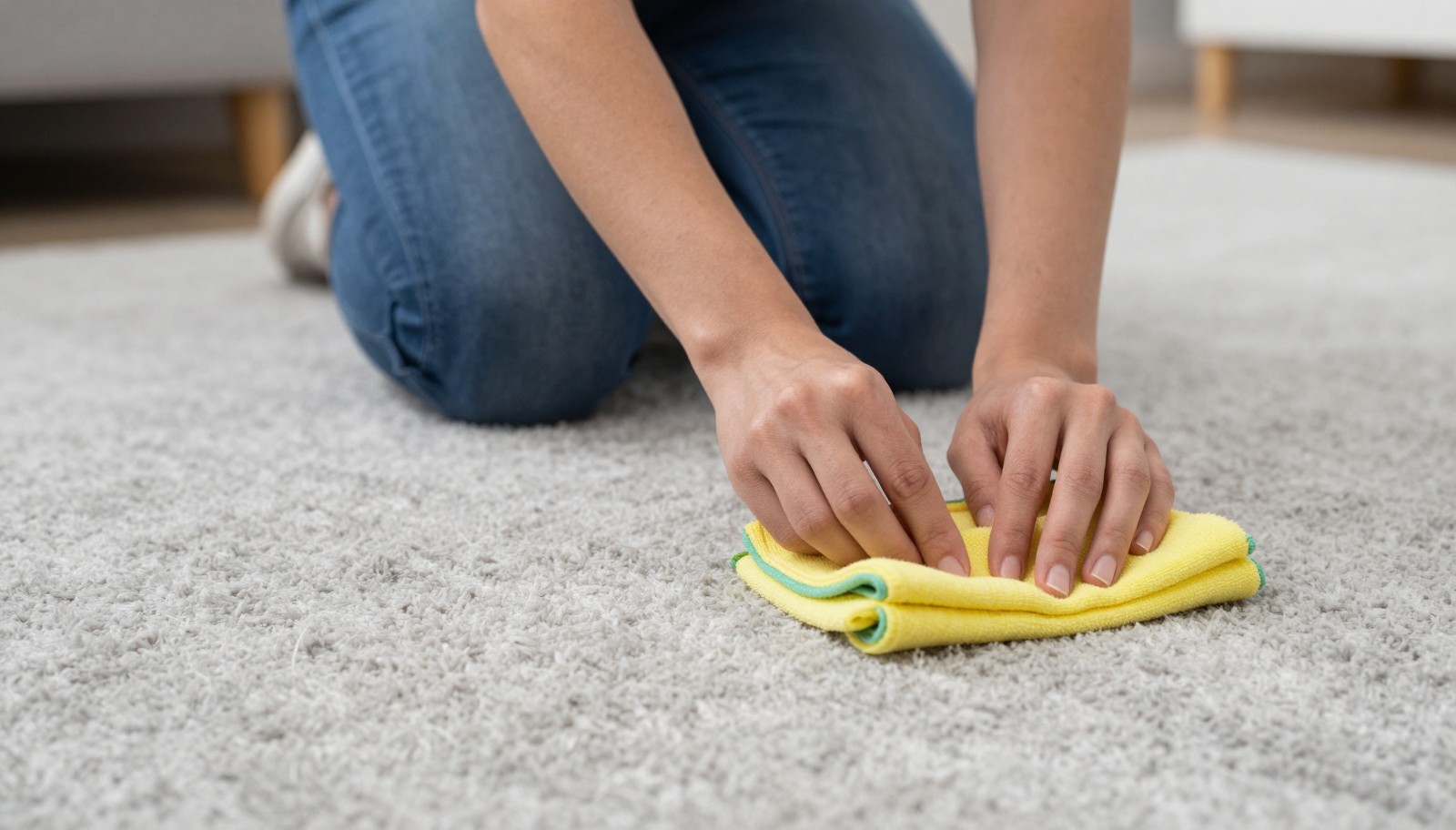
Blot stains gently with a clean microfiber cloth instead of rubbing, which can spread the stain and damage the carpet fibers.
Common stains to pretreat include:
- Coffee and tea
- Pet accidents
- Food spills
- Mud
- Ink
- Grease
Allow the cleaning solution to sit for 5–10 minutes before moving on to the next step.
Step 4: Choose the Right Cleaning Solution
Selecting the right cleaning solution is an important part of how to deep clean a carpet. The best option depends on your carpet material, the level of dirt, and the type of stains you need to remove. Using the wrong cleaner can damage carpet fibers or leave behind a sticky residue that attracts more dirt.
Commercial Carpet Cleaner
Commercial carpet shampoos are specially formulated to remove deep-seated dirt, stains, and odors. Always choose a product that is compatible with your carpet type and follow the manufacturer’s instructions for mixing and application.
Best for:
- Heavy dirt buildup
- High-traffic areas
- Tough stains
- Homes with pets
Homemade Cleaning Solution
For light cleaning or routine maintenance, you can make a simple DIY carpet cleaner using common household ingredients.
Basic recipe:
- 2 cups warm water
- 1 cup white vinegar
- 1 teaspoon mild dish soap
Mix the ingredients in a spray bottle or bucket and apply a light, even mist. Avoid soaking the carpet, as too much moisture can slow drying and increase the risk of mold.
Eco-Friendly Cleaning Options
If you prefer natural cleaning products, baking soda and diluted white vinegar can help reduce odors and remove light stains without harsh chemicals. These options are suitable for regular maintenance but may not be effective on deeply embedded stains.
Test Before Cleaning
No matter which cleaning solution you choose, always test it on a small, hidden section of the carpet first. Wait until the area dries to make sure there is no discoloration or damage before treating the entire carpet.
Step 5: Deep Clean the Carpet
Once your cleaning solution is ready, it’s time to deep clean the carpet. You can use a carpet cleaning machine for the best results or clean by hand if you don’t have specialized equipment.
Using a Carpet Cleaning Machine
Fill the machine with clean water and the recommended amount of carpet cleaning solution. Move the machine slowly across the carpet, allowing it to spray the solution and extract the dirty water in one pass.
For heavily soiled areas, make a second pass using clean water only to help remove any remaining cleaning solution.
Cleaning by Hand
If you’re cleaning without a machine, lightly spray the cleaning solution onto a small section of the carpet. Use a soft-bristle brush to gently work the solution into the fibers with circular motions.
Blot the area with a clean microfiber cloth to lift dirt and absorb excess moisture before moving to the next section.
Avoid Overwetting
Using too much water is one of the most common carpet cleaning mistakes. An overly wet carpet takes longer to dry and may develop mold, mildew, or unpleasant odors.
Apply only enough cleaning solution to dampen the carpet rather than soaking it.
Step 6: Rinse if Necessary
Some carpet cleaning solutions leave behind a residue that can attract dirt if it is not removed properly. If the product instructions recommend rinsing, go over the carpet with clean water to remove any remaining cleaner.
If you’re using a carpet cleaning machine, refill the tank with clean water and make one or two additional passes without adding detergent. If you’re cleaning by hand, lightly wipe the carpet with a clean, damp microfiber cloth to remove excess cleaning solution.
Why rinsing is important:
- Removes leftover detergent residue.
- Helps prevent the carpet from becoming dirty again too quickly.
- Leaves the carpet feeling softer and cleaner.
Step 7: Dry the Carpet Completely
Drying is one of the most important steps in how to deep clean a carpet. A damp carpet can develop mold, mildew, and unpleasant odors if it does not dry properly.
Open windows and doors to improve airflow, and use fans or a dehumidifier to speed up the drying process. Avoid walking on the carpet until it is completely dry to prevent dirt from sticking to the damp fibers.
Depending on the carpet thickness, humidity, and ventilation, drying may take anywhere from 6 to 24 hours.
Tips for faster drying:
- Open windows if the weather is dry.
- Turn on ceiling or portable fans.
- Use a dehumidifier in humid conditions.
- Avoid placing furniture back until the carpet is fully dry.
Step 8: Vacuum Again
Once the carpet is completely dry, vacuum it one more time. This final step lifts the carpet fibers, removes any remaining dirt or dried cleaning residue, and gives the carpet a fresh, well-groomed appearance.
Vacuuming after deep cleaning also helps restore the carpet’s texture, making it look cleaner and feel softer underfoot.
After completing these steps, you’ll have successfully learned how to deep clean a carpet and can enjoy a fresher, healthier, and longer-lasting carpet.
Homemade Carpet Cleaning Solution
If you want an affordable and natural way to clean your floors, a homemade carpet cleaner can be a great option. While commercial carpet shampoos are effective for heavy stains, DIY solutions work well for routine maintenance, light stains, and odor removal. Using the right ingredients is an easy part of learning how to deep clean a carpet at home.
Simple DIY Carpet Cleaning Recipe
Mix the following ingredients in a bucket or spray bottle:
- 2 cups warm water
- 1 cup white vinegar
- 1 teaspoon mild dish soap
Stir the mixture gently to avoid creating too many bubbles.
How to Use the Solution
- Vacuum the carpet thoroughly to remove loose dirt and dust.
- Lightly spray the homemade solution onto a small section of the carpet.
- Use a soft-bristle brush to gently work the solution into the carpet fibers.
- Blot the area with a clean microfiber cloth to absorb dirt and excess moisture.
Avoid soaking the carpet, as too much moisture can lead to mold, mildew, or unpleasant odors.
Using Baking Soda for Odor Removal
Baking soda is an excellent natural deodorizer. Sprinkle a thin, even layer over the carpet and let it sit for at least 15–30 minutes. For stronger odors, leave it overnight if possible.
Once the baking soda has absorbed odors, vacuum the carpet thoroughly to remove the powder.
When Homemade Cleaners Work Best
Homemade carpet cleaners are ideal for:
- Light dirt and dust buildup
- Mild food and drink stains
- Removing everyday odors
- Routine carpet maintenance
- Homes that prefer natural cleaning products
When to Use a Commercial Carpet Cleaner
DIY solutions may not be strong enough for every situation. Consider using a commercial carpet cleaner or hiring a professional if your carpet has:
- Deep, set-in stains
- Heavy foot traffic buildup
- Pet urine that has soaked into the padding
- Mold or mildew
- Large areas that require intensive cleaning
Using the right cleaning method for the condition of your carpet helps achieve the best results while protecting the carpet fibers.
Common Carpet Cleaning Mistakes to Avoid
Even if you know how to deep clean a carpet, a few common mistakes can reduce the effectiveness of your cleaning or even damage the carpet. Avoiding these errors will help keep your carpet looking fresh and extend its lifespan.
Using Too Much Water
One of the biggest mistakes is soaking the carpet with excessive water. Too much moisture can seep into the carpet padding, leading to mold, mildew, and unpleasant odors. Always apply just enough water or cleaning solution to dampen the fibers.
Using Too Much Detergent
Adding extra carpet shampoo may seem like it will clean better, but it often leaves behind a sticky residue. This residue attracts dirt quickly, causing the carpet to become dirty again in a short time.
Scrubbing Stains Too Hard
Vigorously scrubbing a stain can damage carpet fibers and spread the stain further. Instead, gently blot spills with a clean microfiber cloth and use a soft-bristle brush when needed.
Skipping the Vacuuming Step
Deep cleaning without vacuuming first leaves loose dirt and dust in the carpet. When mixed with water, this debris can create muddy residue that is harder to remove. Always vacuum thoroughly before applying any cleaning solution.
Not Testing the Cleaning Solution
Different carpets react differently to cleaning products. Before cleaning the entire carpet, test the solution on a small, hidden area and let it dry. This simple step helps prevent discoloration or damage.
Leaving the Carpet Wet for Too Long
A damp carpet can develop mold, mildew, and unpleasant smells if it does not dry properly. Improve airflow by opening windows and using fans or a dehumidifier to speed up drying.
Using the Wrong Cleaning Product
Some cleaning products are designed for specific carpet materials. Using the wrong solution may fade colors or weaken carpet fibers. Always check the carpet manufacturer’s care instructions before choosing a cleaner.
Ignoring Manufacturer Care Instructions
Many carpets come with cleaning recommendations from the manufacturer. Following these guidelines helps protect the carpet’s warranty and ensures you use safe cleaning methods.
Quick Tips to Avoid Carpet Cleaning Mistakes
- Vacuum before deep cleaning.
- Use the correct amount of cleaning solution.
- Avoid soaking the carpet.
- Blot stains instead of scrubbing them.
- Test any cleaner on a hidden area first.
- Dry the carpet completely before use.
- Follow the manufacturer’s cleaning instructions.
How to Remove Common Carpet Stain
Knowing how to deep clean a carpet also means understanding how to treat different types of stains. Acting quickly gives you the best chance of removing a stain before it sets into the carpet fibers. Always blot spills with a clean cloth instead of rubbing, as rubbing can spread the stain and damage the fibers.
Coffee Stains
Blot the spill immediately with a dry microfiber cloth. Mix warm water with a small amount of mild dish soap and gently blot the stain. Rinse with clean water and blot dry.
Tea Stains
Tea stains can leave noticeable marks if not treated quickly. Apply a mixture of warm water and white vinegar, then blot the area until the stain begins to fade. Finish by wiping with a damp cloth.
Red Wine Stains
Blot as much of the wine as possible without rubbing. Apply a carpet cleaning solution or a mixture of water and white vinegar. Continue blotting until the stain lifts, then rinse lightly with clean water.
Pet Urine Stains
Remove excess moisture with paper towels or a microfiber cloth. Clean the area with an enzyme-based pet stain remover or a carpet-safe cleaning solution to help eliminate both the stain and lingering odor. Allow the carpet to dry completely.
Mud Stains
Let the mud dry before cleaning. Once dry, vacuum the loose dirt, then use a mild carpet cleaner and a soft-bristle brush to remove any remaining residue. Blot with a damp cloth to finish.
Grease Stains
Sprinkle a small amount of baking soda or cornstarch over the stain to absorb the grease. Let it sit for about 15 minutes, then vacuum it up. If needed, clean the area with a small amount of mild dish soap mixed with warm water.
Ink Stains
Gently blot the stain with rubbing alcohol applied to a clean cloth. Work from the outside of the stain toward the center to prevent it from spreading. Avoid pouring alcohol directly onto the carpet.
Food Spills
Remove any solid food with a spoon before cleaning. Blot the area with warm water and a mild carpet cleaner, then rinse lightly and allow it to dry.
Blood Stains
Use cold water only, as warm water can set the stain. Blot the area gently with a clean cloth until the blood is removed. Repeat as needed without rubbing the fibers.
Chocolate Stains
Allow the chocolate to harden, then carefully scrape away the excess using a dull knife or spoon. Clean the remaining stain with warm water and a mild carpet cleaning solution, then blot dry.
Tips for Better Stain Removal
- Treat stains as soon as possible.
- Always blot instead of rubbing.
- Use carpet-safe cleaning products.
- Test any cleaning solution on a hidden area first.
- Avoid oversaturating the carpet with water.
- Dry the cleaned area thoroughly to prevent odors and mold.
Ideal Frequency for Deep Cleaning Your Carpet
One of the most common questions about how to deep clean a carpet is how often the process should be done. The answer depends on your lifestyle, the amount of foot traffic in your home, and whether you have pets, children, or allergy sufferers.
As a general rule, most carpets should be deep cleaned every 6 to 12 months. Regular deep cleaning removes dirt, allergens, bacteria, and odors that vacuuming alone cannot eliminate.
Homes with pets, young children, or heavy daily use may need more frequent deep cleaning to keep carpets fresh and hygienic.
Recommended Deep Cleaning Schedule
| Household Type | Recommended Frequency |
|---|---|
| Single adult or couple | Every 12 months |
| Family home | Every 6–12 months |
| Home with pets | Every 3–6 months |
| Home with young children | Every 3–6 months |
| Allergy sufferers | Every 3–4 months |
| High-traffic areas | Every 3–6 months |
Factors That Affect Cleaning Frequency
Foot Traffic
Hallways, living rooms, and entryways collect more dirt than other parts of the home. These areas often need deep cleaning more frequently to prevent dirt from becoming embedded in the carpet fibers.
Pets
Pets bring in dirt from outside and leave behind hair, dander, and occasional accidents. Deep cleaning every few months helps control odors and keeps carpets cleaner.
Children
Homes with young children often experience more spills, crumbs, and stains. More frequent deep cleaning helps maintain a clean and healthy environment.
Allergies
If someone in your household has allergies or asthma, regular deep cleaning can help reduce dust mites, pollen, and pet dander trapped in the carpet.
Indoor Air Quality
Clean carpets contribute to better indoor air quality by removing contaminants that accumulate over time. This can make your home feel fresher and more comfortable.
Tips to Keep Your Carpet Cleaner Between Deep Cleanings
- Clean spills as soon as they happen.
- Place doormats at entrances to reduce tracked-in dirt.
- Remove shoes before walking on carpeted areas.
- Rotate furniture occasionally to prevent uneven wear.
- Schedule deep cleaning as part of your regular home maintenance routine.
Following a consistent cleaning schedule makes how to deep clean a carpet easier and helps your carpet stay clean, fresh, and in good condition for years.
Benefits of Deep Cleaning Your Carpet
Learning how to deep clean a carpet is about more than improving its appearance. Deep cleaning removes hidden dirt, allergens, and bacteria that regular vacuuming cannot reach. It also helps protect your investment by keeping your carpet in excellent condition for years.
Improves Indoor Air Quality
Over time, these contaminants build up and can affect the air inside your home. Deep cleaning removes many of these pollutants, helping create a fresher and healthier living environment.
Removes Allergens and Bacteria
Deep cleaning helps eliminate dust mites, pet dander, bacteria, and other allergens trapped within the carpet fibers. This can be especially beneficial for people with allergies or asthma.
Eliminates Unpleasant Odors
Spilled food, pet accidents, moisture, and everyday use can cause carpets to develop lingering odors. Deep cleaning removes odor-causing dirt and bacteria, leaving your carpet smelling fresh.
Extends the Life of Your Carpet
Dirt and grit act like tiny abrasives that wear down carpet fibers over time. Removing this buildup through regular deep cleaning helps reduce wear and extends the lifespan of your carpet.
Restores the Carpet’s Appearance
Heavy foot traffic and embedded dirt can make carpets look dull and worn. Deep cleaning lifts dirt from the fibers, helping restore the carpet’s original color, texture, and softness.
Helps Remove Stubborn Stains
Some stains cannot be removed with spot cleaning alone. Deep cleaning provides a more thorough treatment, making it easier to reduce or remove many common carpet stains.
Creates a Healthier Home
By removing dust, allergens, and bacteria, deep cleaning supports a healthier indoor environment for your family and guests.
Saves Money Over Time
Replacing a carpet can be expensive. Regular deep cleaning helps preserve the carpet’s condition, reducing the need for early replacement and lowering long-term maintenance costs.
Makes Your Home Feel More Comfortable
A freshly deep-cleaned carpet feels softer underfoot and enhances the overall appearance of your living space. Clean carpets also create a more welcoming atmosphere for family and visitors.
Key Benefits at a Glance
- Improves indoor air quality.
- Removes allergens, dust mites, and bacteria.
- Eliminates unpleasant odors.
- Restores the carpet’s appearance.
- Helps remove stubborn stains.
- Extends the lifespan of the carpet.
- Supports a healthier home environment.
- Reduces long-term maintenance and replacement costs.
When to Hire a Professional Carpet Cleane
While learning how to deep clean a carpet can help you handle routine maintenance, there are times when professional cleaning is the better option. Professional carpet cleaners use powerful equipment and specialized cleaning methods to remove deep-seated dirt, stubborn stains, and excess moisture more effectively than most household machines.
Severe or Set-In Stains
Some stains, such as red wine, ink, grease, or old pet stains, can penetrate deep into the carpet fibers. If home cleaning methods don’t remove them, a professional cleaner may be able to achieve better results without damaging the carpet.
Large Carpeted Areas
Cleaning several rooms or an entire home can be time-consuming. Professional carpet cleaners have commercial-grade equipment that allows them to clean large areas quickly and evenly.
Flood or Water Damage
If your carpet has been soaked due to flooding, leaking pipes, or heavy water spills, professional cleaning is highly recommended. Fast extraction and proper drying help reduce the risk of mold, mildew, and permanent damage.
Mold or Mildew Concerns
If you notice mold growth or a persistent musty smell, avoid simply covering it with cleaning products. Professional cleaners can assess the problem and recommend the safest cleaning method. In severe cases, mold remediation may also be necessary.
Delicate Carpet Materials
Carpets made from natural fibers, such as wool or silk blends, require special care. Using the wrong cleaning solution or too much water can damage these materials. Professionals know which cleaning methods are safest for delicate carpets.
Strong Pet Odors
Pet urine can soak through the carpet into the padding underneath. If odors remain after repeated cleaning, professional equipment may be needed to remove the source of the smell completely.
Annual Deep Maintenance
Even if your carpet appears clean, scheduling a professional deep cleaning every 12 to 18 months helps remove hidden dirt and allergens that regular vacuuming and home cleaning may miss. Homes with pets or heavy foot traffic may benefit from more frequent professional cleaning.
Benefits of Professional Carpet Cleaning
- Removes deeply embedded dirt and allergens.
- Tackles stubborn stains more effectively.
- Uses powerful extraction equipment for faster drying.
- Helps extend the lifespan of your carpet.
- Improves the overall appearance of your flooring.
- Saves time and effort for large cleaning jobs.
Carpet Maintenance Tips After Deep Cleaning
Once you’ve learned how to deep clean a carpet, the next step is keeping it clean for as long as possible. A few simple maintenance habits can reduce dirt buildup, prevent stains, and help your carpet stay fresh between deep cleanings.
Vacuum Regularly
Vacuum your carpet at least once or twice a week to remove dust, dirt, and pet hair before they become embedded in the fibers.
Clean Spills Immediately
Accidents happen, but quick action can prevent permanent stains. Blot spills with a clean microfiber cloth as soon as they occur.
Use Doormats
Place doormats at every entrance to reduce the amount of dirt, mud, and moisture tracked into your home. This simple step helps keep carpets cleaner and reduces wear.
Remove Shoes Indoors
Shoes can carry dirt, bacteria, and small stones that damage carpet fibers over time. Encouraging family members and guests to remove their shoes can significantly reduce dirt buildup.
Rearrange Furniture Occasionally
Heavy furniture can flatten carpet fibers and create uneven wear patterns. Moving furniture occasionally helps distribute foot traffic more evenly and allows the carpet to recover.
Protect High-Traffic Areas
Use area rugs or carpet runners in hallways, entryways, and other busy areas. They help protect your carpet from excessive wear and make cleaning easier.
Address Pet Hair and Dander
If you have pets, vacuum more often to remove hair and dander before they accumulate. Regular grooming of your pets can also reduce the amount of hair that ends up on your carpet.
Control Indoor Humidity
Use a dehumidifier if necessary and ensure your home has good ventilation, especially after deep cleaning.
Schedule Regular Deep Cleaning
Even with good maintenance, carpets still need periodic deep cleaning. Most households should deep clean their carpets every 6 to 12 months, while homes with pets, children, or heavy foot traffic may need deep cleaning every 3 to 6 months.
Quick Carpet Care Checklist
- Vacuum once or twice each week.
- Clean spills as soon as they happen.
- Place doormats at all entrances.
- Remove shoes before walking on carpet.
- Use rugs in high-traffic areas.
- Vacuum more often if you have pets.
- Keep indoor humidity under control.
- Deep clean your carpet on a regular schedule.
By following these maintenance tips, you’ll protect your investment and enjoy a cleaner, fresher carpet for longer after learning how to deep clean a carpet.
FAQs
Can I Deep Clean a Carpet Without a Machine?
Yes. If you don’t have a carpet cleaning machine, you can still deep clean your carpet using a soft-bristle brush, a microfiber cloth, warm water, and a carpet-safe cleaning solution. While a machine can remove more dirt and moisture, hand cleaning is effective for routine maintenance and small areas.
What Is the Best Homemade Carpet Cleaner?
A simple homemade carpet cleaner can be made by mixing:
- 2 cups warm water
- 1 cup white vinegar
- 1 teaspoon mild dish soap
This solution works well for light stains and everyday cleaning. Always test it on a small, hidden area first to ensure it doesn’t affect the carpet’s color.
How Soon Can You Walk on a Cleaned Carpet?
Drying time depends on the carpet’s thickness, humidity, and airflow. Most carpets dry within 6 to 24 hours. Opening windows, using fans, or running a dehumidifier can help speed up the process.
Can White Vinegar Damage Carpet?
When diluted properly, white vinegar is generally safe for many carpet types and can help remove light stains and odors. However, it may not be suitable for every carpet material. Always check the manufacturer’s care instructions and test the solution on an inconspicuous area before use.
Is Steam Cleaning Better Than Shampooing?
Both methods are effective, but they serve different purposes.
- Steam cleaning uses hot water extraction to remove dirt, allergens, and bacteria while leaving less residue behind.
- Carpet shampooing is often better for heavily soiled carpets but may require extra rinsing to remove detergent residue.
For the best outcome, use a cleaning method that is suitable for your carpet type and specific cleaning needs.
How Do I Keep My Carpet Smelling Fresh?
To keep your carpet smelling fresh:
- Vacuum regularly.
- Clean spills immediately.
- Sprinkle baking soda on the carpet before vacuuming to help absorb odors.
- Keep the room well ventilated.
- Deep clean the carpet every 6 to 12 months.
How Often Should I Vacuum My Carpet?
Vacuum your carpet once or twice a week under normal conditions. If you have pets, children, or high foot traffic, vacuuming several times a week will help keep dirt and allergens under control.
Can I Deep Clean a Wool Carpet?
Yes, but wool carpets require extra care. Use cleaning products specifically designed for wool and avoid excessive water or harsh chemicals. If you’re unsure, hiring a professional cleaner is the safest option.
Conclusion
Learning how to deep clean a carpet is an excellent way to keep your home cleaner, healthier, and more comfortable. By following the right steps—from vacuuming and treating stains to choosing the proper cleaning solution and drying the carpet thoroughly—you can remove deep-seated dirt, allergens, and odors while protecting your carpet from unnecessary wear.
Regular deep cleaning not only improves the appearance of your carpet but also extends its lifespan and creates a healthier indoor environment. Combined with routine vacuuming and prompt stain removal, these simple maintenance habits will help your carpet stay fresh and looking its best for years to come.
Whether you choose a DIY approach or hire a professional for tougher jobs, knowing how to deep clean a carpet ensures you can keep your floors clean, inviting, and ready for everyday life.