
Introduction
A clean and properly functioning sink is essential for every kitchen and bathroom, but over time, drains can become clogged with grease, food particles, soap residue, hair, and other debris. This buildup not only slows down water flow but can also cause unpleasant odors and create hygiene issues.
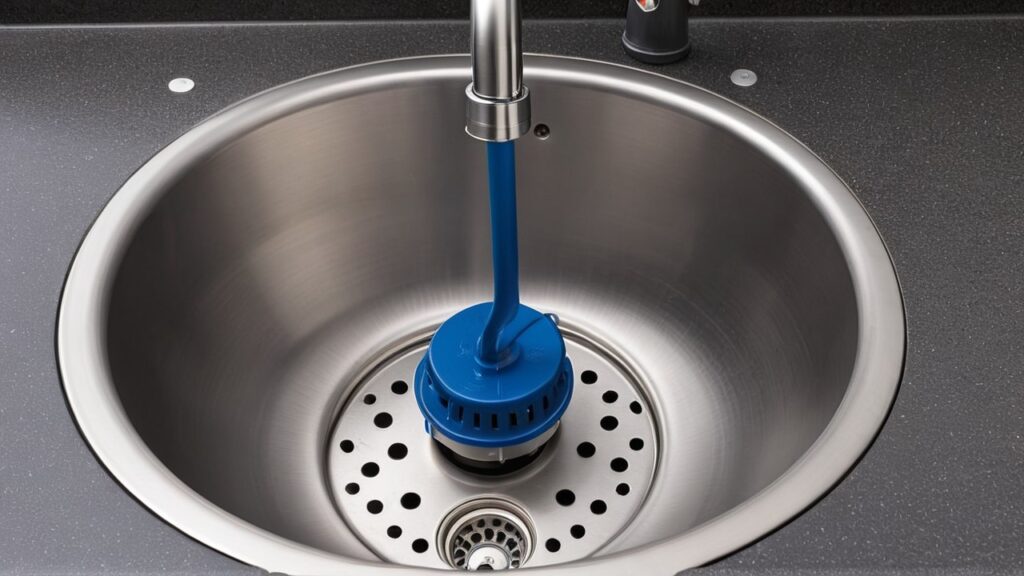
Sink drain cleaning is the process of removing these blockages and keeping your drainpipes clear. Regular maintenance prevents clogs, ensures smooth drainage, and protects your plumbing system from damage. Whether you use simple home remedies, basic tools, or professional services, understanding how to clean your sink drain is key to maintaining a healthy, odor-free, and fully functional sink.
In this guide, we’ll explore everything you need to know about sink drain cleaning—including signs your drain needs attention, effective cleaning methods, the best tools to use, and tips to prevent future clogs.
Table of Contents
What Is Sink Drain Cleaning?
Sink drain cleaning is the process of removing dirt, debris, and buildup from the drainpipe connected to a sink. Over time, materials such as food scraps, grease, soap residue, hair, and mineral deposits collect inside the drain. This buildup restricts water flow and can lead to slow drainage, unpleasant odors, and complete blockages if not addressed.The goal of sink drain cleaning is to keep the drain clear so water flows smoothly and hygienically. It goes beyond simply wiping the sink surface and focuses on cleaning the inside of the drain and pipes where hidden clogs form. Regular sink drain cleaning helps maintain proper plumbing function and reduces the risk of costly repairs.
Sink drain cleaning can be done using simple home methods like hot water flushing, baking soda and vinegar, or basic tools such as a plunger or drain snake. In more severe cases, professional sink drain cleaning may be needed to remove deep or stubborn clogs safely and effectively.
By understanding what sink drain cleaning is and why it matters, homeowners can take timely action to prevent drainage problems and maintain a clean, odor-free sink.
Why Sink Drain Cleaning Is Important
Regular sink drain cleaning is essential for keeping your plumbing system working properly. When drains are not cleaned on time, debris such as grease, food particles, soap scum, and hair begins to build up inside the pipes. This buildup slows down water flow and can eventually cause complete blockages.One major reason sink drain cleaning is important is hygiene. Dirty drains can produce unpleasant odors and become a breeding ground for bacteria and mold. These germs can spread through the sink area, making kitchens and bathrooms less sanitary. Keeping the drain clean helps maintain a fresher and healthier environment.
Sink drain cleaning also helps prevent costly plumbing problems. Minor clogs, if ignored, can turn into severe blockages that may require professional repair. Regular cleaning reduces pressure on pipes, lowers the risk of leaks, and extends the overall lifespan of your plumbing system.
Another benefit of sink drain cleaning is improved water drainage. Clean drains allow water to flow quickly and smoothly, reducing standing water in the sink. This makes daily tasks like washing dishes or hands more convenient and efficient.
By making sink drain cleaning a routine habit, you can avoid emergencies, save money on repairs, and ensure your sink stays clean, odor-free, and fully functional.
Signs Your Sink Drain Needs Cleaning
Recognizing early warning signs can help you take action before a minor issue turns into a serious plumbing problem. Regular sink drain cleaning becomes necessary when you notice changes in how your sink drains or smells.
One of the most common signs is slow drainage. If water takes longer than usual to go down the drain, it usually means debris is building up inside the pipe. This buildup restricts water flow and worsens over time if ignored.
Another clear sign is unpleasant odors coming from the sink drain. Food waste, grease, and soap residue trapped inside the pipes can begin to rot, causing bad smells. Sink drain cleaning helps remove the source of these odors instead of just masking them.
Gurgling or bubbling sounds when water drains are also a warning sign. These noises indicate trapped air caused by partial clogs inside the drainpipe. Without proper sink drain cleaning, the blockage may become more severe.
You may also notice frequent clogs or water backing up into the sink. If plunging only provides temporary relief, it is a strong indication that deep sink drain cleaning is needed.
Paying attention to these signs allows you to clean the drain early, maintain proper water flow, and avoid expensive repairs.
Common Causes of Sink Drain Clogs
Understanding what leads to clogs can make sink drain cleaning more effective and help prevent future problems. Most sink drain blockages develop gradually as everyday materials build up inside the pipes.
One of the main causes is food waste and grease, especially in kitchen sinks. Small food particles may seem harmless, but over time they stick to the inside of the drain. Grease and oil are even more problematic, as they harden when cooled and trap other debris, leading to stubborn clogs.
In bathroom sinks, hair and soap residue are the most common causes. Hair easily tangles and combines with soap scum to form thick blockages. This mixture sticks to pipe walls and reduces water flow, making regular sink drain cleaning essential.
Mineral deposits from hard water can also cause sink drain clogs. These minerals slowly accumulate inside pipes, narrowing the passage and making it easier for debris to get trapped.
Another cause is foreign objects accidentally entering the drain. Items such as cotton swabs, wipes, small plastic pieces, or excessive paper products can block the drain and are difficult to remove without proper cleaning tools.
By knowing these common causes, you can adjust daily habits and perform regular sink drain cleaning to keep your drains clear and functioning properly.
How to Do Sink Drain Cleaning at Hom
Regular sink drain cleaning at home helps prevent clogs and keeps water flowing smoothly. Many common drain issues can be resolved using simple methods and basic tools without professional help.
Natural Sink Drain Cleaning Methods
One easy method is flushing the drain with hot water. Pouring hot water down the sink helps loosen grease and wash away light buildup. This works best as a preventive step rather than for heavy clogs.
Another effective option is the baking soda and vinegar method. Start by adding baking soda to the drain, then pour in vinegar to loosen debris and neutralize odors naturally. The natural reaction helps break down residue and remove odors. After a few minutes, flush the drain with hot water to clear loosened debris.
Salt and boiling water can also be used to tackle greasy buildup. Salt acts as a mild abrasive, while boiling water helps dissolve grease and soap residue.
Using Basic Tools for Sink Drain Cleaning
A plunger can be useful for removing minor clogs. Creating suction helps dislodge trapped debris inside the pipe.
For deeper blockages, a drain snake or auger is effective. This tool reaches into the drain to pull out hair, food particles, and other debris that cause clogs.
A zip-style drain cleaner is another simple tool that works well for bathroom sinks. It is designed to hook onto hair and debris, making removal quick and easy.
Cleaning the Sink Drain Trap (P-Trap)
The P-trap is the curved section of pipe under the sink where debris often collects. Placing a bucket underneath and carefully removing the trap allows you to clean it thoroughly. After removing the buildup, reattach the trap securely to restore proper drainage.
Performing these sink drain cleaning methods regularly can help maintain clean pipes, reduce odors, and prevent major plumbing issues.
Best Tools for Sink Drain Cleaning
Using the right tools makes sink drain cleaning faster, safer, and more effective. Whether you are dealing with minor buildup or a stubborn clog, these tools help remove debris without damaging your plumbing.
A plunger is one of the most common and useful tools for sink drain cleaning. It creates pressure inside the pipe, helping to loosen and move clogs caused by food waste or soap residue. A flat-bottom plunger works best for sinks.
Designed to reach further down the drain than most tools, a drain auger helps pull out hair, grease, and other blockages. It is especially effective for removing hair, grease, and compacted debris that cannot be reached by surface cleaning. Manual drain snakes are easy to use and suitable for home bathroom maintenance.
A zip-it drain cleaner is a simple plastic tool with small hooks. It is ideal for bathroom sink drain cleaning, as it quickly pulls out hair and soap buildup. This tool is affordable and very effective for routine cleaning.
A pipe cleaning brush helps scrub the inner walls of the drainpipe. It removes residue that sticks to the sides of the pipe and is useful for preventive sink drain cleaning.
In some cases, a wet/dry vacuum can be used to suck out loose debris from the drain. When used correctly, it can help clear partial clogs and improve drainage.
Having these tools on hand allows you to perform regular sink drain cleaning and prevents small problems from becoming serious plumbing issues.
Sink Drain Cleaning for Kitchen vs Bathroom Sinks
Although the basic process of sink drain cleaning is similar, kitchen and bathroom sinks face different types of buildup and require slightly different cleaning approaches.
Kitchen sink drain cleaning mainly focuses on removing grease, oil, and food particles. Cooking oils and fats often stick to the inside of the pipes and harden over time. Regular flushing with hot water and avoiding pouring grease down the drain can greatly reduce clogs. Deep sink drain cleaning for kitchen sinks may require a drain snake to remove heavy grease buildup.
Bathroom sink drain cleaning usually deals with hair, soap scum, and toothpaste residue. Hair easily collects inside the drain and combines with soap to form thick blockages. Tools like zip-style drain cleaners and drain snakes are especially effective for bathroom sinks. More frequent cleaning is recommended due to daily personal use.
The cleaning frequency also differs. Kitchen sink drain cleaning should be done regularly, especially in busy households, to prevent grease buildup. Bathroom sink drain cleaning may need more frequent attention if multiple people use the sink daily.
Understanding these differences helps you choose the right sink drain cleaning methods and tools for each type of sink, ensuring better results and longer-lasting drainage performance.
How Often Should You Clean Your Sink Drain?
The frequency of sink drain cleaning depends on how often the sink is used and what goes down the drain. Regular cleaning helps prevent buildup and keeps your plumbing system working efficiently.
For daily maintenance, it is a good habit to flush the sink drain with hot water after heavy use. This helps wash away light grease, soap residue, and small particles before they settle inside the pipes.
On a weekly basis, simple sink drain cleaning methods such as baking soda and vinegar can be used to reduce odors and prevent buildup. This routine keeps the drain fresh and minimizes the chances of clogs forming.
A more thorough sink drain cleaning should be done once a month. This may include using a drain snake, cleaning the drain trap, or using a zip-style drain cleaner to remove hidden debris.
If you notice signs like slow drainage or bad smells, sink drain cleaning should be done immediately, regardless of your routine schedule. Addressing problems early helps avoid major blockages and expensive plumbing repairs.
By following a regular sink drain cleaning schedule, you can maintain smooth water flow and extend the life of your sink and pipes.
Professional Sink Drain Cleaning
Sometimes, home methods are not enough to fix severe or recurring drain problems. In such cases, professional sink drain cleaning becomes the best solution. Plumbers have the experience and equipment needed to remove deep blockages safely and effectively.
Professional sink drain cleaning is recommended when drains clog frequently, water backs up, or unpleasant odors persist despite regular cleaning. These issues often indicate heavy buildup or blockages deep within the plumbing system that cannot be reached with basic tools.
Plumbers use advanced methods such as motorized drain snakes and high-pressure water cleaning to clear stubborn debris. These techniques remove grease, hair, mineral deposits, and other materials without damaging the pipes.
Another advantage of professional sink drain cleaning is early problem detection. A plumber can identify pipe damage, corrosion, or potential leaks during the cleaning process, helping prevent future plumbing emergencies.
Although professional services may cost more than DIY methods, they provide long-term results, restore proper drainage, and reduce the risk of recurring issues. For serious blockages, professional sink drain cleaning is a reliable and safe option.
Sink Drain Cleaning Tips to Prevent Future Clogs
Preventing clogs is just as important as removing them. With regular maintenance and a few simple habits, you can minimize the need for intensive sink drain cleaning.
- Use drain strainers: Place strainers over your sink drains to catch hair, food particles, and other debris before they enter the pipes. By doing this regularly, you can avoid many typical drain problems.
- Avoid pouring grease or oil down the drain: In kitchen sinks, fats and oils solidify in pipes and trap other debris. Dispose of grease in the trash instead of the sink.
- Flush drains with hot water regularly: Running hot water down the sink once a week helps dissolve soap residue and grease, keeping the pipes clear.
- Clean the P-trap periodically: Remove and rinse the P-trap to get rid of trapped debris that can lead to odors and slow drainage.
- Use natural cleaning methods occasionally: Baking soda and vinegar or salt and boiling water treatments can help maintain clear drains without harsh chemicals.
By incorporating these simple steps into your cleaning routine, you can keep your sink drains clear, reduce odors, and extend the life of your plumbing system. Preventive care makes sink drain cleaning easier and less frequent.
FAQs
What is the best method for sink drain cleaning?
For light maintenance, flushing with hot water or using a baking soda and vinegar mixture works well. For stubborn clogs, a plunger, drain snake, or professional cleaning may be necessary.
Can baking soda and vinegar damage pipes?
No, when used occasionally, baking soda and vinegar are safe for most types of plumbing. They are a natural way to remove buildup without harsh chemicals.
Is chemical drain cleaner safe?
Chemical drain cleaners can work quickly, but frequent use may damage pipes over time. Limit their use and follow the directions provided on the label carefully.
How do I clean a smelly sink drain?
Pouring a mixture of baking soda and vinegar, followed by hot water, usually eliminates odors. Regular cleaning and removing trapped debris also prevent bad smells.
When should I call a plumber?
If your sink clogs frequently, drains slowly despite cleaning, or water backs up into other drains, it’s time to call a professional. Persistent issues may indicate deeper problems in your plumbing.
Conclusion
Regular sink drain cleaning is essential for maintaining a clean, hygienic, and fully functional sink. Over time, debris like food particles, grease, hair, soap residue, and mineral deposits can accumulate in your drains, leading to slow drainage, unpleasant odors, and even costly plumbing issues.
By understanding what sink drain cleaning is, recognizing the signs of a clogged drain, and using proper methods—whether natural remedies, basic tools, or professional services—you can keep your drains clear and prevent problems before they escalate.
Simple preventive steps, such as using drain strainers, flushing with hot water, avoiding pouring grease down the sink, and periodic P-trap cleaning, make a significant difference. These habits reduce the frequency of clogs, save money on repairs, and ensure your plumbing system lasts longer.
Investing a little time in routine sink drain cleaning not only improves water flow but also promotes a healthier, odor-free environment in your kitchen and bathroom. Make it a regular part of your home maintenance routine, and your sinks will stay clean and functional for years to come.