
Introduction:
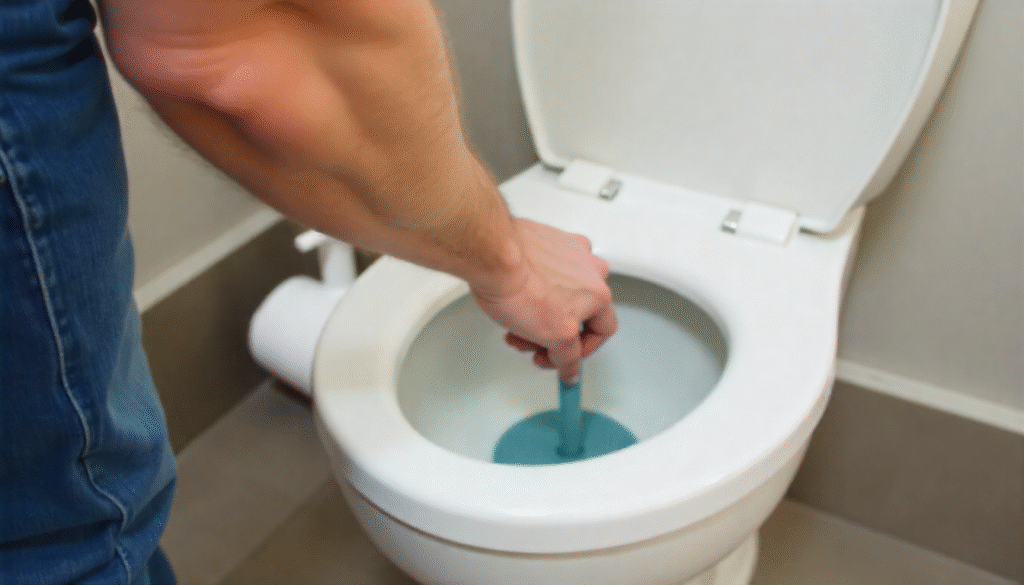
Knowing how to unclog toilet without plunger can save you time, stress, and an embarrassing bathroom mess. WhKnowing how to unclog a toilet without a plunger can save you time, stress, and an embarrassing bathroom mess. Whether it happens late at night or when guests are over, a clogged toilet is never convenient. Luckily, there are several quick and easy methods you can use with everyday household items to clear the blockage and get things flowing again — no special tools required. In this guide, you’ll learn simple, effective ways to fix the problem safely and prevent it from happening again.
Table of Contents
Why Your Toilet Gets Clogged
Before learning how to unclog a toilet without a plunger, it helps to understand why your toilet gets clogged in the first place. Knowing the causes can prevent future blockages and save you from messy situations later.
Too Much Toilet Paper
Flushing large amounts of toilet paper at once is one of the most common reasons for a clog. Even though toilet paper is designed to dissolve, excessive use can form a thick wad that gets stuck in the trap or drainpipe.
Flushing Non-Flushable Items
Items like wipes, cotton pads, feminine hygiene products, paper towels, or small toys can easily block the pipes. These materials don’t break down in water and can create stubborn obstructions that even strong flushing won’t move.
Low-Flow or Older Toilets
Older low-flow models sometimes lack enough pressure to clear waste completely. As a result, debris may stay trapped in the bowl or pipe, causing slow draining or full clogs.
Mineral or Hard Water Buildup
If you live in an area with hard water, mineral deposits can build up inside the pipes and reduce water flow. Over time, this buildup narrows the passage, making it easier for waste to get stuck.
Blockage Further Down the Drain Line
Sometimes, the problem isn’t inside the toilet itself but deeper in the plumbing system. Tree roots, accumulated grease, or debris in the main drain can restrict water flow and cause your toilet to back up.
Tip: Once you know the reason behind the blockage, the steps for how to unclog a toilet without a plunger become much easier. Each method works best for a specific type of clog, so identifying the cause helps you choose the right fix and prevent repeat problems.
Safety and Preparation Before You Start
Before you begin any method for how to unclog a toilet without a plunger, it’s important to take a few safety and preparation steps. These small actions can help you avoid overflow, water damage, or unnecessary mess while working on your toilet.
1. Stop the Water Flow
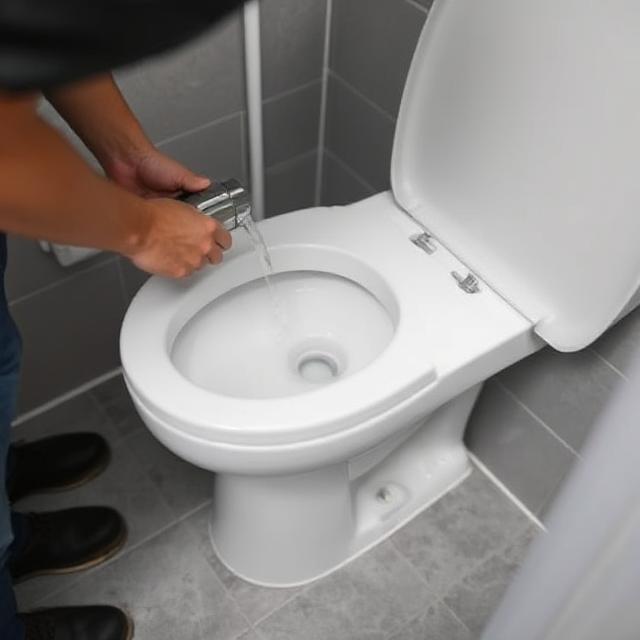
If your toilet bowl is full and rising, the first thing to do is turn off the water supply valve. You’ll find it behind the toilet, near the floor.Rotate the handle clockwise to shut off the water supply.This prevents the bowl from overflowing while you try to fix the clog.
2. Protect the Floor Area
Lay down old towels or newspapers around the toilet base to catch any splashes or spills. This simple step keeps your bathroom floor clean and avoids slipping hazards.
3. Gather Your Supplies
Depending on the method you’ll use for how to unclog a toilet without a plunger, you might need:
- Dish soap or liquid detergent
- Hot (not boiling) water
- Baking soda and vinegar
- A wire hanger or drain snake
- Rubber gloves and possibly a face mask
Having everything ready saves time and prevents frustration once you start.
4. Wear Protective Gear
Always wear rubber gloves before handling the toilet. If you’re using cleaning products or hot water, eye protection or a mask can also be helpful. It’s best to avoid direct contact with contaminated water for hygiene and safety.
5. Avoid Harsh Chemicals
Skip strong drain cleaners that contain acid or bleach. These can damage your toilet’s porcelain surface and release harmful fumes. The natural methods used in how to unclog a toilet without a plunger are safer for both you and your plumbing system.
Tip: A little preparation goes a long way. By setting up your workspace properly and taking basic safety steps, you’ll make the process of learning how to unclog a toilet without a plunger smoother, cleaner, and much less stressful.
Method 1: Use Hot Water and Dish Soap
One of the easiest and most effective ways for how to unclog a toilet without a plunger is by using hot water and dish soap. This method works well for soft blockages caused by too much toilet paper or organic waste.
Pour Dish Soap Into the Toilet
Start by adding about half a cup of liquid dish soap directly into the toilet bowl. The soap acts as a lubricant, helping to break down greasy residue and allowing the clog to slide through more easily.
Heat the Water
Next, heat a bucket of water—around one gallon (4 litres)—until it’s hot but not boiling. Boiling water can crack the porcelain bowl, especially if it’s cold. Aim for water that’s steaming but still safe to touch.
Pour the Hot Water Carefully
Pour the hot water slowly into the toilet from waist height to avoid splashing.The combination of heat and soap helps soften the clog and pushes it through the drain. Avoid splashing, as the water might still be dirty.
Wait and Let It Work
Give the solution around 15 to 20 minutes to break down the blockage.During this time, the soap will coat the pipes, and the hot water will help loosen the blockage.
Try Flushing
After waiting, flush the toilet. In many cases, the water should flow freely, clearing the clog completely. If it doesn’t, you can repeat the process one more time before trying a different method.
Why It Works:
Hot water softens and breaks down organic matter, while dish soap reduces friction, allowing the blockage to move smoothly through the pipes. This makes it one of the simplest and safest methods for how to unclog a toilet without a plunger using only household materials.
Method 2: Try Baking Soda and Vinegar
If you’re searching for a natural and effective way for how to unclog a toilet without a plunger, using baking soda and vinegar is a great option. This method creates a gentle fizzing reaction that helps loosen and break down the clog without damaging your toilet.
Add Baking Soda
Measure and pour a cup of baking soda into the toilet bowl to start the process.Try to spread it evenly over the water surface so it can reach as much of the blockage as possible.
Pour in Vinegar
Next, slowly pour two cups of white vinegar into the bowl. As soon as the two ingredients mix, they will start to fizz and bubble — this is a natural reaction that helps dissolve waste and residue inside the pipes.
Let It Sit
Allow the mixture to sit for 30 minutes (or up to an hour for tougher clogs). During this time, the fizzing action helps loosen the debris and clear minor blockages. You may hear bubbling sounds — that’s completely normal.
Add Hot Water
After the fizzing stops, carefully pour a gallon of hot (not boiling) water into the toilet bowl. The heat will help flush away the loosened waste and clear the pipes.
Flush the Toilet
Wait about 10–15 minutes, then flush to check if the clog has cleared. If the water drains smoothly, the blockage is gone. For stubborn clogs, repeat the process once more before moving to another method.
Why It Works:
The combination of baking soda and vinegar naturally breaks down organic material and toilet paper buildup. When used as part of how to unclog toilet without plunger, this method is safe, eco-friendly, and effective without the use of harsh chemicals.
Method 3: Create Suction with Plastic Wrap
If you don’t have any cleaning supplies on hand, this clever trick using plastic wrap can help with how to unclog toilet without plunger. It works by creating strong air pressure inside the bowl, pushing the clog through the pipes just like a plunger would.
Cover the Toilet Bowl
Start by taking plastic wrap or cling film and tightly covering the entire toilet seat area. Make sure the wrap sticks firmly to the rim so no air escapes — this seal is key to building pressure.
Press Around the Edges
Once the seat is fully covered, press down on the edges to secure the seal. You can use several overlapping layers for a stronger hold and to prevent tearing.
Flush the Toilet
Now, flush the toilet once. The pressure from the flushing water will cause the plastic wrap to bulge upward. This is exactly what you want — it means air is trapped underneath and creating suction.
Push Down Gently
With your palms, press the bulging plastic wrap down firmly but gently. This motion forces air pressure into the drain, which helps push the clog through the pipes.
Remove the Wrap and Check
After one or two presses, remove the plastic wrap and check if the water drains normally. If the bowl empties and refills cleanly, the clog is gone.If needed, repeat the steps one more time for better results.
Why It Works:
The plastic wrap suction method works similarly to a plunger by building air pressure inside the bowl. When used as part of how to unclog toilet without plunger, it’s an excellent hands-free alternative that’s quick, clean, and surprisingly effective — especially for soft blockages.
Method 4: Use a Wire Hanger or Drain Snake Alternative
If the water still won’t drain after trying other methods, a wire hanger or drain snake can help. This technique is great for deeper or more stubborn clogs when learning how to unclog toilet without plunger using tools you already have at home.
Prepare the Wire Hanger
Grab a standard metal wire hanger and untwist it until it forms a long straight wire. Then, bend one end slightly to create a small hook. This hook helps reach and break apart the blockage.
Wrap the End for Protection
Before inserting the hanger, wrap the hooked end with a soft cloth or duct tape. This prevents scratching the porcelain inside your toilet bowl.
Insert the Hanger Carefully
Slowly insert the covered end of the hanger into the toilet drain. Move it gently in circular or back-and-forth motions to feel for the blockage. Avoid forcing it too hard, as this can cause damage or push the clog deeper.
Break Up the Clog
Once you feel resistance, twist and push the wire lightly to break up or dislodge the clog. You may notice the water starting to drain as the blockage loosens.
Flush to Clear the Drain
After loosening the blockage, remove the hanger and try flushing the toilet. If the water flows freely, you’ve successfully cleared the clog. For tougher blockages, repeat the process or consider using an actual drain snake.
Why It Works:
Using a wire hanger works as a simple DIY drain snake, allowing you to manually break up debris that hot water or cleaning mixtures couldn’t remove. When learning how to unclog toilet without plunger, this hands-on approach can save you a plumbing bill and restore proper flow in minutes.
Method 5: Wet/Dry Vacuum Technique
If other methods haven’t worked, a wet/dry vacuum (also known as a shop vac) can be one of the most powerful solutions for how to unclog toilet without plunger. This method uses strong suction to remove the blockage directly from the toilet drain.
Get a Wet/Dry Vacuum
Use only a wet/dry vacuum—never a regular household vacuum. These are designed to handle liquids safely. Make sure the tank is empty and the hose is clean before starting.
Set Up for Safety
Put on rubber gloves and a face mask to protect yourself from germs. Place old towels or newspapers around the toilet base to catch any spills or splashes.
Remove Excess Water
If the toilet bowl is full, scoop out some water using a small container or the vacuum itself until it’s about halfway empty. This helps the vacuum seal better and increases suction power.
Create a Tight Seal
Insert the vacuum hose into the toilet drain and wrap a wet cloth or rag around it to create a tight seal. This step is crucial — the stronger the seal, the better the suction will be.
Turn On the Vacuum
Switch the vacuum to “liquid” mode and turn it on for about 20–30 seconds. The suction should pull out the blockage or loosen it enough to allow water to flow freely.
Check and Flush
After turning off the vacuum, remove the hose and check the bowl. If the water drains away, flush the toilet to confirm the clog is gone. If the blockage remains, repeat the process once more.
Why It Works:
The wet/dry vacuum method works by creating strong suction that physically removes the clog from the drain. It’s one of the most efficient ways for how to unclog toilet without plunger, especially for deep or stubborn blockages that other methods can’t reach.
When to Call a Plumber
While the DIY methods for how to unclog toilet without plunger are effective in most cases, sometimes a clog is too stubborn or deep for home remedies to handle. Knowing when to call a professional plumber can save you time, prevent damage, and ensure your plumbing system stays in good shape.
When Multiple Drains Are Backed Up
If you notice that other drains in your home are also slow or clogged—like your sink, shower, or bathtub cleaning it’s likely a sign of a main sewer line blockage. This type of issue usually requires special tools and expertise that only a plumber can provide.
When You Hear Gurgling Sounds
Strange gurgling or bubbling noises after flushing can mean that air is trapped in your pipes due to a deep clog. Ignoring these sounds can lead to larger plumbing problems, so it’s best to get a professional inspection.
When the Toilet Keeps Overflowing
If your toilet overflows repeatedly despite trying different unclogging methods, the problem might be further down the drainage system. A plumber can use a drain auger or camera inspection to find and clear the exact blockage.
When You Smell Unpleasant Odors
Persistent foul smells from your toilet or drains often mean there’s a hidden buildup or sewer gas leak. This is not something to handle on your own — contact a plumber right away to prevent health risks and plumbing damage.
When DIY Methods Fail Repeatedly
If you’ve tried hot water, baking soda and vinegar, or the vacuum method without success, it’s time to stop and call a professional. Overusing DIY methods can sometimes worsen the clog or damage the toilet bowl.
Why It’s Important:
Calling a plumber when needed prevents bigger plumbing emergencies, such as burst pipes or water leaks. Even though knowing how to unclog a toilet without a plunger works for many simple blockages, professional help ensures that your toilet and pipes stay safe, clean, and fully functional.
Preventing Future Toilet Clogs
After learning how to unclog a toilet without a plunger, the next step is to keep your toilet running smoothly so you don’t have to deal with clogs again. With a few simple habits and regular maintenance, you can prevent most blockages before they start.
Flush Only Waste and Toilet Paper
If the clog persists, perform the process one more time.. Avoid flushing items like wet wipes, tissues, paper towels, feminine hygiene products, or cotton pads — even if they say “flushable”. These materials don’t break down properly and can quickly cause blockages.
Use Less Toilet Paper
Using too much toilet paper at once can create a thick clump that gets stuck in the drain. Try flushing twice if needed — once for waste and once for paper — to reduce buildup and keep things flowing easily.
Check Your Toilet’s Flush Strength
If your toilet has a weak or slow flush, it may not push waste far enough down the drain. This can cause repeated clogs. Cleaning the jets under the rim or adjusting the water level in the tank often helps improve flushing power.
Avoid Using Chemical Cleaners Too Often
While chemical drain cleaners seem convenient, frequent use can damage your pipes and toilet bowl finish. Stick with natural options like baking soda, vinegar, or dish soap when cleaning or clearing minor buildup.
Perform Routine Maintenance
Once a month, pour a mixture of baking soda and vinegar into the bowl, let it fizz for a few minutes, and then flush with hot water. This keeps pipes clear and prevents buildup that leads to clogs.
Keep an Eye on Tree Roots and Old Pipes
If your home has older plumbing or nearby trees, roots may eventually invade the main sewer line. Regular professional inspections can catch these problems early before they cause major blockages.
Key Takeaway:
Knowing how to unclog a toilet without a plunger is a great skill, but preventing clogs altogether is even better. By following these simple habits, you’ll keep your toilet efficient, clean, and free from plumbing headaches.
Conclusion
Dealing with a clogged toilet can be frustrating, especially when you don’t have the right tools nearby. The good news is that learning how to unclog a toilet without a plunger gives you several easy, safe, and effective options to handle the problem yourself.
From using hot water and dish soap to baking soda and vinegar, plastic wrap suction, or even a wet/dry vacuum, each method offers a practical way to clear a blockage with common household items. Most of the time, these DIY solutions are all you need to get your toilet flowing smoothly again.
However, if your toilet remains clogged after multiple attempts, or if you notice slow drains and strange sounds throughout your plumbing system, it’s best to call a professional plumber. Acting early can prevent larger, costlier plumbing issues.
Keeping up with simple maintenance habits — like flushing only waste and toilet paper, using less paper, and cleaning regularly — will help you avoid future clogs altogether.

Final Tip:
Once you know how to unclog a toilet without a plunger, you’ll never feel helpless during a plumbing emergency again. With a few simple household items and the right steps, you can fix the problem quickly, keep your bathroom clean, and save money on plumbing bills.