Introduction
Keeping your bathroom clean is essential for hygiene and comfort, but many commercial cleaners contain harsh chemicals that can irritate your skin, eyes, or lungs. If you’re looking for a safer, eco-friendly alternative, learning how to make natural bathroom cleaner is a smart solution.
Natural bathroom cleaners use simple household ingredients like vinegar, baking soda, lemon juice, and essential oils to effectively remove soap scum, stains, and dirt. They are not only safer for your family and pets but also better for the environment and your budget.
In this guide, we’ll show you step by step how to make your own natural bathroom cleaner, the benefits of using it, tips for effective cleaning, and common mistakes to avoid. By the end, you’ll have all the knowledge you need to keep your bathroom sparkling clean—without relying on harsh chemicals.
Table of Contents
What Is a Natural Bathroom Cleaner?
A natural bathroom cleaner is a cleaning solution made from simple, non-toxic ingredients that help remove dirt, soap scum, and stains without using harsh chemicals. Many people who search for how to make natural bathroom cleaner want a safer and more eco-friendly way to clean their bathrooms.
Unlike many commercial cleaners that contain strong chemicals, natural cleaners usually use everyday household ingredients. These ingredients are effective for cleaning while also being safer for your health and the environment.
Common ingredients used in natural bathroom cleaners include:
- White vinegar – helps dissolve mineral deposits and soap scum
- Baking soda – works as a gentle scrubbing agent that removes stains
- Lemon juice – naturally cuts grease and leaves a fresh scent
- Dish soap – helps break down grime and dirt
- Essential oils – add fragrance and may have mild antibacterial properties
These ingredients work together to clean common bathroom surfaces such as sinks, tiles, bathtubs, and countertops. Because they are widely available and affordable, they are perfect for anyone learning how to make natural bathroom cleaner at home.
Another advantage of natural bathroom cleaners is that they reduce exposure to strong fumes and synthetic chemicals. This makes them a popular choice for households with children, pets, or people who are sensitive to strong cleaning products.
In simple terms, a natural bathroom cleaner provides an effective way to keep your bathroom clean while using ingredients that are safer, affordable, and environmentally friendly.
Benefits of Using Natural Bathroom Cleaner
Using natural cleaning products has become increasingly popular, especially for people who want a safer and more eco-friendly home. When learning how to make natural bathroom cleaner, it’s helpful to understand the key benefits of choosing natural ingredients over chemical-based products.
1. Safer for Your Health
One of the biggest advantages of natural bathroom cleaners is that they usually do not contain harsh chemicals. Many store-bought cleaners release strong fumes that can irritate the skin, eyes, or lungs. Natural ingredients like vinegar, baking soda, and lemon are generally safer to use in everyday cleaning.
For households with children or pets, using homemade cleaners can reduce exposure to potentially harmful substances.
2. Environmentally Friendly
Natural bathroom cleaners are typically made with biodegradable ingredients. This means they break down more easily and are less harmful to the environment when washed down the drain.
People searching for how to make natural bathroom cleaner often choose this option because it helps reduce chemical pollution and supports a more sustainable lifestyle.
3. Cost-Effective
Another major benefit is the cost savings. Most natural cleaners use simple ingredients that are already available in many kitchens. Items like vinegar, baking soda, and lemon juice are inexpensive compared to many commercial cleaning products.
This means you can clean your entire bathroom effectively without spending a lot of money.
4. Multi-Purpose Cleaning
Natural bathroom cleaners are very versatile. The same solution can often be used on multiple bathroom surfaces such as:
- Sinks
- Tiles
- Bathtubs
- Shower doors
- Countertops
Because of this flexibility, people who learn how to make natural bathroom cleaner can simplify their cleaning routine and reduce the number of products they need.
5. Reduces Strong Chemical Smells
Many commercial cleaners have very strong artificial scents that can linger in the bathroom. Natural cleaners usually have a lighter, fresher smell from ingredients like lemon or essential oils.
This can make the bathroom feel clean without the overwhelming chemical odor.
Ingredients Needed to Make Natural Bathroom Cleane
Before learning how to make natural bathroom cleaner, it is important to understand the basic ingredients used in homemade cleaning solutions. Most natural bathroom cleaners use simple household items that are affordable, easy to find, and effective at removing dirt, stains, and soap scum.
Below are the most common ingredients used to make a natural bathroom cleaner.
1. White Vinegar
White vinegar is one of the most powerful natural cleaning ingredients. It contains mild acetic acid, which helps dissolve mineral deposits, soap scum, and hard water stains.
It is commonly used to clean surfaces such as sinks, tiles, and shower doors. Vinegar also helps remove unpleasant odors and leaves surfaces looking shiny and fresh.
2. Baking Soda
Baking soda is a gentle abrasive that helps scrub away stains and grime without scratching surfaces. It is especially useful for cleaning sinks, bathtubs, and tile grout.
When combined with vinegar, baking soda creates a mild foaming reaction that helps loosen dirt and buildup.
3. Lemon Juice
Lemon juice is another natural ingredient that works well for bathroom cleaning. Its natural acidity helps cut through grease and soap residue.
Lemon juice can help brighten surfaces and remove mild stains.
4. Dish Soap
A small amount of dish soap can help break down grease, oils, and dirt. It also helps the cleaning solution spread more evenly across surfaces.
Dish soap is especially helpful when cleaning bathroom sinks, tubs, and shower walls.
5. Essential Oils (Optional)
Essential oils are often added to homemade cleaners to improve the scent and provide mild antibacterial properties.
Only a few drops are needed to give the cleaner a pleasant natural fragrance.
Using these simple ingredients makes it easy for anyone learning how to make natural bathroom cleaner at home. Most of these items are already available in many kitchens, making natural cleaning both convenient and affordable
How to Make Natural Bathroom Cleaner (Step-by-Step Guide)
If you are looking for a simple and effective way to clean your bathroom without harsh chemicals, learning how to make natural bathroom cleaner at home is a great solution. This homemade cleaner uses common household ingredients and can help remove soap scum, stains, and dirt from many bathroom surfaces.
Follow these simple steps to make your own natural bathroom cleaner.
Step 1: Prepare a Spray Bottle
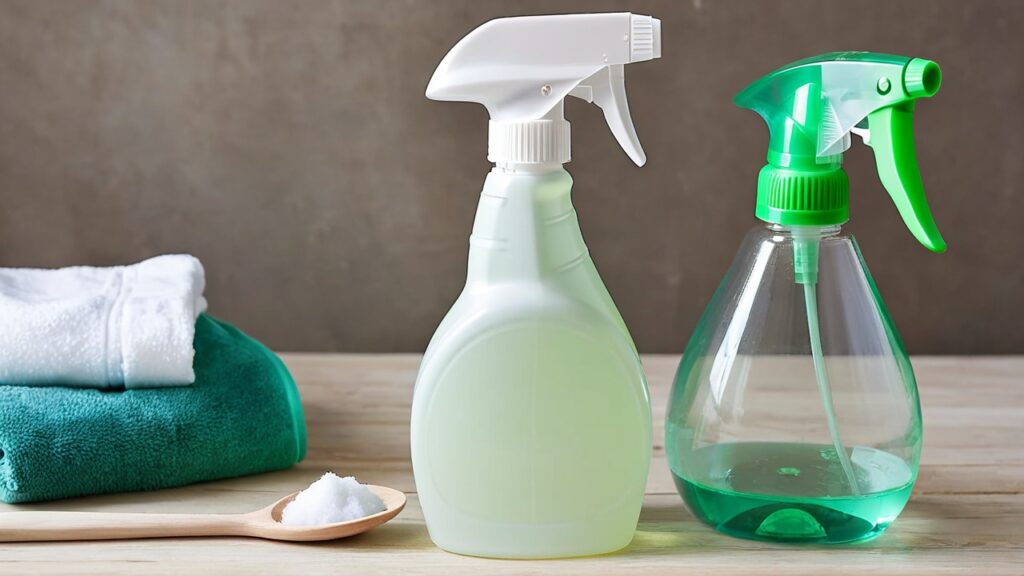
Start by choosing a clean spray bottle. A glass spray bottle is often recommended because it is reusable and environmentally friendly, but a plastic bottle can also work.
Make sure the bottle is washed and dry before adding the ingredients.
Step 2: Mix Vinegar and Water
Pour 1 cup of white vinegar and 1 cup of warm water into the spray bottle. This mixture forms the base of your natural bathroom cleaner.
Vinegar helps break down mineral deposits, soap residue, and hard water stains commonly found in bathrooms.
Step 3: Add a Small Amount of Dish Soap
Dish soap helps remove grease, grime, and dirt while improving the cleaning power of the solution.
Be careful not to add too much soap, as it can create excess foam.
Step 4: Add Lemon Juice or Essential Oils
For a fresh scent, add 1–2 tablespoons of lemon juice or 5–10 drops of essential oil such as lemon, lavender, or tea tree oil.
This step is optional, but it helps give the cleaner a pleasant natural fragrance.
Step 5: Shake the Bottle Well
Close the spray bottle tightly and shake it gently to mix all the ingredients together. Your homemade solution is now ready to use.
This simple method shows how to make natural bathroom cleaner using ingredients that are easy to find and affordable.
Quick Recipe Summary
- 1 cup white vinegar
- 1 cup warm water
- 1 tablespoon dish soap
- 1–2 tablespoons lemon juice or a few drops of essential oil (optional)
Mix everything in a spray bottle, shake well, and your natural bathroom cleaner is ready.
How to Use Natural Bathroom Cleaner Effectively
After learning how to make natural bathroom cleaner, the next step is understanding how to use it properly. Using the cleaner the right way helps remove dirt, soap scum, and stains more easily while keeping bathroom surfaces looking fresh and clean.
Follow these simple steps to get the best results.
1. Spray the Cleaner on the Surface
Start by spraying the natural bathroom cleaner directly onto the surface you want to clean. This can include sinks, tiles, bathtubs, shower walls, or countertops.
Make sure the surface is evenly covered with the cleaning solution so it can break down dirt and soap residue.
2. Let the Solution Sit for a Few Minutes
Allow the cleaner to sit on the surface for about 3–5 minutes. This gives the ingredients time to loosen soap scum, stains, and mineral deposits.
For tougher buildup, you may leave the cleaner on the surface a little longer.
3. Scrub the Area Gently
Use a sponge, soft brush, or cleaning cloth to scrub the surface. Scrubbing helps remove dirt, stains, and buildup that the cleaner has loosened.
For grout lines or stubborn spots, a small brush can help reach tight areas.
4. Rinse With Clean Water
Once you’ve scrubbed the area, rinse it thoroughly with water to remove any remaining cleaner and debris.
Rinsing also helps prevent streaks or residue from remaining on the surface.
5. Wipe the Surface Dry
Drying helps prevent water spots and keeps the bathroom looking polished and clean.
Regular use of this method will make your cleaning routine easier once you understand how to make natural bathroom cleaner and use it correctly.
Best Surfaces to Clean With Natural Bathroom Cleaner
After learning how to make natural bathroom cleaner, it’s important to know where you can safely use it. Natural cleaners made with ingredients like vinegar, baking soda, and lemon juice work well on many common bathroom surfaces.
These cleaners help remove soap scum, dirt, and light stains while keeping your bathroom fresh and clean.
1. Bathroom Sinks
Bathroom sinks often collect toothpaste stains, water spots, and soap residue. A natural bathroom cleaner can easily break down this buildup.
Simply spray the cleaner on the sink, let it sit for a few minutes, and then wipe it with a sponge or cloth.
2. Bathroom Tiles
Tiles on walls and floors can collect dirt, soap residue, and moisture over time. Natural bathroom cleaners help remove these stains and keep tiles looking bright.
For grout lines between tiles, use a small brush to scrub away buildup.
3. Bathtubs and Showers
Bathtubs and shower walls often develop soap scum and hard water stains. Using a natural bathroom cleaner can help loosen this buildup and make it easier to scrub away.
Spray the cleaner, wait a few minutes, and then scrub gently with a sponge or brush.
4. Bathroom Countertops
Bathroom countertops can collect water spots, toothpaste marks, and dust. A natural cleaner works well for quick daily cleaning.
Spray the surface lightly and wipe it with a soft cloth to keep it clean and shiny.
5. Toilet Exterior
While natural cleaners may not always disinfect as strongly as some commercial products, they are still useful for cleaning the outside surfaces of the toilet, such as the tank, seat, and base.
Spray the cleaner and wipe the area with a cloth to remove dirt and stains.
Using these methods will help you get the most out of your homemade solution after learning how to make natural bathroom cleaner. However, there are also some surfaces where natural cleaners should be avoided.
Surfaces You Should Avoid
Although learning how to make natural bathroom cleaner can help you clean many areas safely, it is important to know that some surfaces may not react well to certain natural ingredients. For example, vinegar and lemon juice are acidic, which means they can damage delicate materials over time.
To protect your bathroom surfaces, avoid using natural bathroom cleaners on the following materials.
1. Natural Stone Surfaces
Natural stones such as marble, granite, and limestone are sensitive to acidic ingredients like vinegar and lemon juice. These acids can slowly wear down the surface and cause dull spots or damage.
If your bathroom has stone countertops or tiles, it is better to use a cleaner specifically designed for natural stone.
2. Unsealed Wood
Wood surfaces that are not properly sealed can absorb moisture from cleaning solutions. This can cause the wood to swell, warp, or become damaged over time.
If your bathroom has wooden cabinets or shelves, it is best to clean them with a slightly damp cloth instead of spraying a liquid cleaner directly on them.
3. Some Delicate Metal Finishes
Certain metal finishes, such as brass or copper, can react with acidic cleaners. Over time, vinegar or lemon juice may cause discoloration or dull the shine of these metals.
Always test a small hidden area first before using any homemade cleaner on metal surfaces.
4. Electronic Fixtures or Devices
Avoid spraying natural bathroom cleaner directly onto electronic items such as electric toothbrush chargers, lighting fixtures, or other electrical devices in the bathroom.
Instead, spray the cleaner onto a cloth and gently wipe the surface if needed.
Understanding where not to use your homemade solution is just as important as learning how to make natural bathroom cleaner. This helps protect your bathroom surfaces and ensures that your cleaning routine remains safe and effective.
Tips to Make Your Natural Bathroom Cleaner More Powerful
Once you learn how to make natural bathroom cleaner, you can improve its cleaning power with a few simple techniques. These tips can help your homemade cleaner work more effectively on tough stains, soap scum, and hard water buildup.
1. Use Warm Vinegar
Warm vinegar can help dissolve soap scum and mineral deposits more quickly than cold vinegar. Before mixing your cleaner, slightly warm the vinegar to improve its effectiveness.
Be careful not to overheat it—just warming it slightly is enough to boost cleaning power.
2. Let the Cleaner Sit Longer
Many people spray the cleaner and wipe it off immediately. However, allowing the cleaner to sit for 5–10 minutes helps break down dirt, soap residue, and stains more effectively.
This is especially useful when cleaning bathtubs, tiles, and shower doors.
3. Use Baking Soda for Extra Scrubbing
For stubborn stains, sprinkle a small amount of baking soda on the surface before scrubbing. Baking soda works as a gentle abrasive that helps remove tough grime without damaging most surfaces.
This method works well for sinks, bathtubs, and tile grout.
4. Use a Soft Brush for Grout
Grout lines between tiles can collect dirt and mildew over time. A small soft brush or an old toothbrush can help scrub these narrow areas more effectively.
Using a brush helps the natural cleaner reach deeper into grout lines.
5. Clean Regularly to Prevent Buildup
Regular cleaning helps prevent soap scum and hard water stains from becoming difficult to remove. A quick weekly cleaning can keep your bathroom surfaces looking fresh and reduce the need for heavy scrubbing.
Consistent cleaning also makes it easier to maintain results after learning how to make natural bathroom cleaner.
Common Mistakes to Avoid
Learning how to make natural bathroom cleaner is simple, but using it incorrectly can reduce its effectiveness or even damage certain surfaces. Avoiding common mistakes will help you get better cleaning results and keep your bathroom surfaces safe.
1. Mixing Vinegar With Bleach
One of the most important mistakes to avoid is mixing vinegar with bleach. When these two substances combine, they can create harmful fumes that are dangerous to breathe.
Always keep natural cleaners separate from chemical cleaners.
2. Using Too Much Baking Soda
Baking soda is helpful for scrubbing, but using too much can leave a powdery residue on surfaces. This residue may require extra rinsing to remove.
A small amount is usually enough to help remove stains and dirt.
3. Not Letting the Cleaner Sit Long Enough
Some people spray the cleaner and wipe it away immediately. Natural cleaners often need a few minutes to break down soap scum and stains.
Allowing the cleaner to sit for a few minutes can make cleaning much easier.
4. Using It on Sensitive Surfaces
As mentioned earlier, natural cleaners that contain vinegar or lemon juice should not be used on delicate materials like marble or granite.
Using the cleaner on the wrong surface can cause damage or dull the finish.
5. Making Large Batches That Sit Too Long
Homemade cleaners work best when they are fresh. Making very large batches and storing them for a long time may reduce their effectiveness.
It is better to prepare smaller amounts when needed.
Avoiding these mistakes will help you get the best results after learning how to make natural bathroom cleaner and keep your bathroom clean and well maintained.
How Often You Should Clean Your Bathroom
After learning how to make natural bathroom cleaner, it’s helpful to know how often to clean your bathroom to maintain hygiene and prevent buildup. The frequency depends on the type of cleaning and how heavily the bathroom is used.
1. Daily Quick Wipe
A daily quick wipe helps prevent soap scum, water spots, and dust from accumulating. Use your natural bathroom cleaner to spray sinks, faucets, and countertops, then wipe with a clean cloth.
2. Weekly Deep Cleaning
Once a week, do a deeper cleaning session. This includes scrubbing the bathtub, shower walls, tiles, and toilet exterior. Let the natural cleaner sit for a few minutes before scrubbing to remove buildup effectively.
3. Monthly Grout or Tile Maintenance
Grout lines can collect mildew and dirt over time. Once a month, use a small brush with your natural bathroom cleaner to scrub grout lines and hard-to-reach areas. This keeps your bathroom looking fresh and prevents stains from settling.
4. Toilet Cleaning Schedule
Even if using natural cleaners, toilets should be cleaned at least once a week. Focus on both the inside bowl and the exterior surfaces. For natural cleaning, vinegar and baking soda are effective for maintaining a clean toilet.
Regular cleaning keeps your bathroom hygienic, prevents stains and buildup, and makes cleaning easier in the long run. Using a natural bathroom cleaner consistently is both safe and effective.
FAQs
Is homemade bathroom cleaner safe?
Yes! Homemade natural bathroom cleaners use ingredients like vinegar, baking soda, and lemon juice, which are generally safe for households with children and pets.
Can natural bathroom cleaner kill germs?
While natural ingredients like vinegar and essential oils have mild antibacterial properties, they may not eliminate all harmful bacteria. For routine cleaning and stain removal, they work well, but for heavy disinfection, a specialized disinfectant may be needed.
How long does homemade cleaner last?
A natural bathroom cleaner usually lasts 1–2 weeks when stored in a sealed spray bottle. For best results, make smaller batches to keep the solution fresh and effective.
Can I use vinegar to clean the toilet?
Yes, vinegar works well to clean the toilet bowl and remove stains. Sprinkle baking soda inside the bowl, then pour vinegar and let it sit for a few minutes before scrubbing.
What is the best natural disinfectant for bathrooms?
Vinegar, lemon juice, and tea tree oil are all popular natural disinfectants. While they don’t replace commercial disinfectants for heavy-duty sanitizing, they are effective for everyday cleaning.
Conclusion
Learning how to make natural bathroom cleaner allows you to keep your bathroom clean, safe, and eco-friendly. By using simple household ingredients like vinegar, baking soda, lemon juice, and essential oils, you can effectively remove soap scum, stains, and dirt without relying on harsh chemicals.
Natural cleaners are not only safer for your family and pets but also better for the environment and your budget. With regular use, proper techniques, and a few simple tips, your bathroom can stay fresh and sparkling with minimal effort.
Start small, experiment with different natural ingredients, and enjoy the benefits of a cleaner, healthier home. Making your own bathroom cleaner is easy, cost-effective, and a great way to reduce chemical exposure in your home.