
Introduction
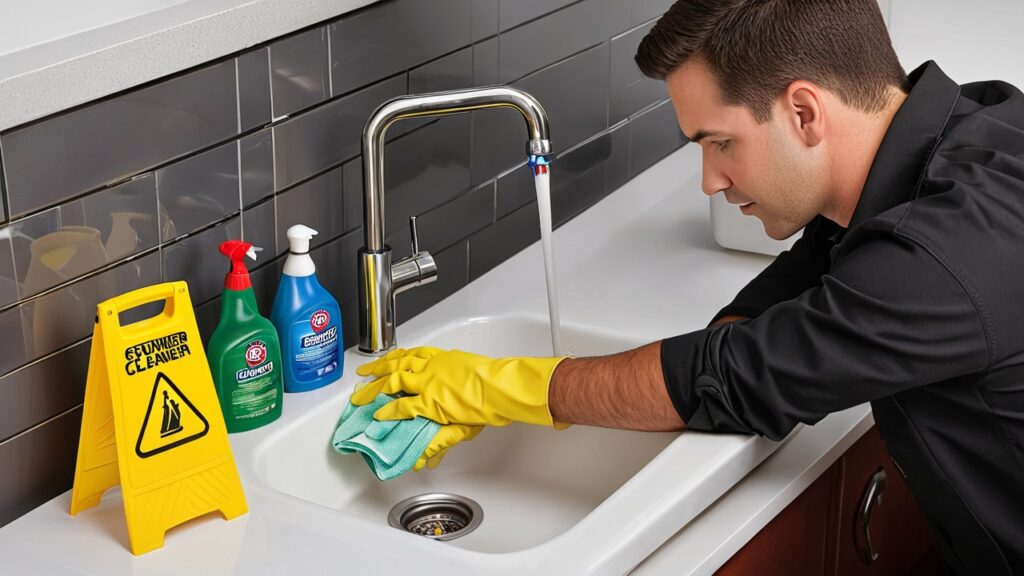
A clean sink is more than just a sparkling surface—it’s a key part of maintaining a hygienic and pleasant kitchen or bathroom. Whether it’s the kitchen sink where you wash dishes and prepare food or the bathroom sink used for handwashing and brushing teeth, sinks can quickly become dirty with soap scum, food residue, and water stains.
Learning how to keep a sink clean is essential for preventing bacteria, odors, and stains. Regular cleaning not only improves hygiene but also keeps your sink looking fresh and extends its lifespan. In this guide, we’ll cover practical tips, daily habits, and natural cleaning methods to help you keep your sink clean effortlessly.
Table of Contents
Why It Is Important to Keep the Sink Clean
Keeping your sink clean is more important than many people realize. A sink is used daily for washing hands, dishes, food, and personal items, which makes it a common place for germs and dirt to build up. When you keep the sink clean, you protect your health, improve cleanliness, and maintain a pleasant environment.
Prevents the spread of germs and bacteria
Sinks often collect food particles, soap residue, and moisture—perfect conditions for bacteria to grow. If you do not clean it regularly, germs can spread to your hands, utensils, and surfaces. Making an effort to keep the sink clean helps reduce bacteria, mold, and other harmful microorganisms.
Eliminates bad odors
A dirty sink or clogged drain can quickly start to smell unpleasant. Leftover food, grease, and soap scum can cause strong odors over time. When you keep the sink clean, you prevent odor buildup and keep your kitchen or bathroom smelling fresh.
Improves hygiene and safety
A clean sink supports better hygiene for daily activities like hand washing, brushing teeth, or washing dishes. Especially in kitchens, failing to keep the sink clean can lead to cross-contamination and health risks.
Enhances appearance and cleanliness
Stains, water spots, and residue can make a sink look dull and neglected. Regular cleaning helps maintain a shiny, fresh appearance. When you keep the sink clean, the entire space looks more organized and well-maintained.
Extends the life of your sink
Dirt, hard water stains, and harsh buildup can damage sink surfaces over time. Proper care and regular cleaning help prevent corrosion, scratches, and permanent stains. This makes it easier to keep the sink clean and avoid costly repairs or replacements.
Common Reasons Sinks Get Dirty Quickly
Even with regular use, sinks can become dirty faster than expected. Understanding the main causes can help you keep the sink clean for a longer time and reduce the need for frequent deep cleaning.
Food particles and grease buildup
In kitchen sinks, leftover food scraps, oils, and grease often stick to the sink surface and drain. Over time, this buildup attracts bacteria and creates stubborn stains. Removing food waste promptly makes it easier to keep the sink clean.
Soap scum and product residue
Bathroom sinks commonly collect soap scum, toothpaste, and cosmetic residue. These substances harden when mixed with water, making the sink look cloudy and unclean. Regular wiping helps keep the sink clean and prevents residue from settling.
Hard water stains
Minerals found in hard water leave white or yellow stains on sink surfaces. If not cleaned regularly, these stains become difficult to remove. Consistent maintenance helps you keep the sink clean and stain-free.
Standing water and moisture
Water left in the sink encourages mold, mildew, and bacterial growth. Drying the sink after use is a simple habit that helps keep the sink clean and fresh.
Lack of daily cleaning habits
Skipping daily rinsing or wiping allows dirt to build up quickly. Even small cleaning actions each day can make a big difference when trying to keep the sink clean.
Daily Habits to Keep Sink Clean
Simple daily habits can make a big difference in maintaining a hygienic and fresh-looking sink. By following these easy steps, you can keep the sink clean without spending extra time or effort.
Rinse the sink after every use.
After washing hands, dishes, or food, quickly rinse the sink with water. This removes leftover residue before it dries and sticks. A quick rinse helps keep the sink clean throughout the day.
Wipe the sink surface daily.
Use a soft cloth, sponge, or microfiber towel to wipe the sink once a day. This prevents soap scum, toothpaste, and water spots from building up. Regular wiping makes it easier to keep the sink clean with minimal effort.
Do not leave food scraps or hair.
Food particles in kitchen sinks and hair in bathroom sinks can clog drains and cause bad odors. Always remove debris immediately to keep the sink clean and prevent blockages.
Avoid letting water sit in the sink.
Standing water leads to stains and bacteria growth. After use, drain the water completely and dry the sink if possible. This habit helps keep the sink clean and reduces hard water marks.
Clean spills right away.
Spills from toothpaste, soap, or food should be cleaned as soon as they happen. Quick action prevents stains and keeps the sink area neat.
Best Cleaning Materials to Keep Sink Clean
Using the right cleaning materials makes it easier and safer to maintain your sink. These commonly available items help you keep the sink clean without damaging the surface.
Dish soap
Dish soap is gentle yet effective at removing grease, food residue, and everyday dirt. Using it regularly helps keep the sink clean and fresh without harsh chemicals.
Baking soda
Baking soda works as a natural cleaner that removes stains and neutralizes odors. Its mild abrasive action helps scrub dirt while still being safe for most sink surfaces.
White vinegar
Vinegar is excellent for breaking down hard water stains and killing bacteria. When used properly, it helps keep the sink clean and prevents mineral buildup.
Microfiber cloth
A microfiber cloth efficiently lifts dirt and soaks up moisture better than a standard cloth, making cleaning easier. This makes it ideal for wiping and drying your sink, keeping it clean, shiny, and free of water spots.
Soft scrub brush or sponge
A non-abrasive brush or sponge helps remove stubborn dirt without scratching the sink. Choosing soft tools protects the surface and helps keep the sink clean for a longer time.
Step-by-Step Guide to Keep Sink Clean Naturally
Cleaning your sink naturally is simple, affordable, and safe for everyday use. Follow these steps to keep the sink clean without using harsh chemicals.
Step 1: Remove loose debris.
Start by removing food scraps, hair, or any visible dirt from the sink and drain area. Clearing debris first makes cleaning more effective and helps keep the sink clean.
Step 2: Sprinkle baking soda.
Evenly sprinkle baking soda over the sink surface. Baking soda helps loosen stains, absorb odors, and gently scrub dirt without scratching.
Step 3: Scrub gently.
Using a soft sponge or brush, scrub the sink in circular motions. Focus on scrubbing any stubborn stains and the drain area, where dirt and residue tend to accumulate. Gentle scrubbing helps keep the sink clean and protects the sink finish.
Step 4: Rinse with warm water.
Rinse the sink thoroughly with warm water to wash away residue and loosened dirt. This step leaves the sink looking fresh and clean.
Step 5: Dry the sink completely.
Use a microfiber cloth to dry the sink. Drying prevents water spots, mineral stains, and bacteria growth, making it easier to keep the sink clean for longer.
How to Keep Sink Clean from Stains and Odors
Stains and unpleasant smells are common sink problems, but with proper care, they can be easily prevented. Following these tips will help you keep your sink clean and fresh every day.
Remove hard water stains regularly.
Hard water leaves mineral deposits that appear as white or yellow stains. Cleaning these stains early with vinegar or baking soda prevents them from becoming permanent and helps keep the sink clean.
Prevent food and soap buildup.
Food residue in kitchen sinks and soap scum in bathroom sinks are major causes of stains. Rinsing and wiping the sink daily stops buildup before it hardens, making it easier to keep the sink clean.
Clean the drain to avoid odors.
Bad smells often come from the drain rather than the sink surface. Pouring warm water down the drain regularly helps flush out trapped debris and keeps odors away. This habit supports efforts to keep the sink clean.
Dry the sink after use.
Moisture encourages bacteria growth and stains. Drying the sink after use prevents water spots and reduces odor-causing buildup.
Use natural deodorizers.
Natural cleaners like baking soda help neutralize odors without harsh chemicals. Regular use keeps your sink smelling fresh and helps keep the sink clean naturally.
How Often Should You Clean Your Sink?
Cleaning your sink on the right schedule helps maintain hygiene and makes it easier to keep the sink clean without extra effort. Different levels of cleaning are needed depending on daily use.
Daily quick cleaning
A quick rinse and wipe at the end of the day removes surface dirt, soap residue, and water spots. Daily maintenance is the easiest way to keep the sink clean and prevent buildup.
Weekly deep cleaning
Once a week, clean the sink thoroughly using baking soda or a gentle cleaner. Focus on the drain, edges, and faucet area where dirt collects. Weekly cleaning helps keep the sink clean and stain-free.
Monthly maintenance cleaning
Monthly maintenance involves checking for hard water stains, slow drains, or hidden buildup. Addressing these issues early makes it easier to keep the sink clean long-term.
After heavy use
If the sink is used for heavy cooking, cleaning large dishes, or frequent handwashing, extra cleaning may be needed. Cleaning after heavy use helps keep the sink clean and hygienic.
Mistakes to Avoid When Trying to Keep a Sink Clean
Even with regular cleaning, certain mistakes can make it harder to maintain a hygienic sink. Avoiding these common errors will help you keep the sink clean more effectively and protect the sink surface.
Using abrasive cleaners or tools
Harsh cleaners and rough scrubbers can scratch the sink surface. Scratches trap dirt and bacteria, making it more difficult to keep the sink clean over time. Always use gentle cleaners and soft tools.
Ignoring the drain area
Many people clean only the sink surface and forget the drain. Dirt and debris in the drain can cause odors and slow drainage. Regular drain cleaning is essential to keep the sink clean and fresh.
Letting stains sit too long
Leaving stains untreated allows them to harden and become harder to remove. Cleaning spills and stains promptly helps keep the sink clean with less effort.
Mixing cleaning chemicals
Combining different cleaners can be unsafe and may damage the sink. Stick to one cleaning method at a time to safely keep the sink clean.
Skipping regular cleaning
Waiting too long between cleanings leads to heavy buildup. Consistent maintenance is the best way to keep a sink clean and reduce deep cleaning time.
Tips to Keep Sink Clean for a Longer Time
Keeping your sink clean doesn’t have to be difficult. With a few smart habits, you can keep the sink clean for longer and reduce the need for frequent deep cleaning.
Use a sink strainer.
A sink strainer catches food particles, hair, and debris before they enter the drain. This simple tool helps prevent clogs and makes it easier to keep the sink clean.
Clean immediately after heavy use.
After washing dishes, food, or dirty items, rinse and wipe the sink right away. Immediate cleaning prevents stains and buildup, helping you keep the sink clean longer.
Keep cleaning supplies nearby.
Storing basic cleaning items near the sink encourages quick daily cleaning. Easy access makes it more likely you’ll wipe the sink regularly and keep the sink clean.
Dry the sink after each use.
Drying removes moisture that causes stains and bacteria growth. This habit helps keep the sink clean and maintains a shiny finish.
Flush the drain regularly.
Running warm water through the drain helps remove trapped residue and prevent odors. A clean drain supports your efforts to keep the sink clean overall.
FAQ
What is the best way to keep a sink clean daily?
The easiest daily routine is to rinse the sink after each use, wipe it with a soft cloth, and remove any debris. This quick habit helps keep the sink clean with minimal effort.
Can natural cleaners really keep a sink clean effectively?
Yes! Natural cleaners like baking soda, vinegar, and lemon are highly effective at removing stains, odors, and residue. Using them regularly helps keep the sink clean safely without harsh chemicals.
How do I keep the sink clean without chemicals?
You can use warm water, baking soda, vinegar, and a soft sponge. Rinsing and wiping daily, along with weekly scrubbing, is enough to keep the sink clean naturally.
How often should I deep clean my sink?
Weekly deep cleaning is recommended, focusing on the drain, edges, and faucet area. Regular deep cleaning helps keep the sink clean and prevents buildup over time.
Why is my sink always dirty even after cleaning?
Common reasons include not drying the sink, ignoring the drain, or using harsh/abrasive cleaners. Adjusting your routine helps keep the sink clean consistently.
Conclusion
Keeping your sink clean is essential for hygiene, appearance, and overall health. By following daily habits, using the right cleaning materials, and avoiding common mistakes, you can easily keep the sink clean with minimal effort. Regular rinsing, wiping, and deep cleaning prevent stains, odors, and bacterial buildup, ensuring your kitchen or bathroom remains fresh and inviting. Simple habits like drying the sink, cleaning the drain, and using natural cleaners go a long way in helping you keep the sink clean consistently.
Start implementing these tips today, and you’ll notice a cleaner, healthier, and more pleasant sink every day!