
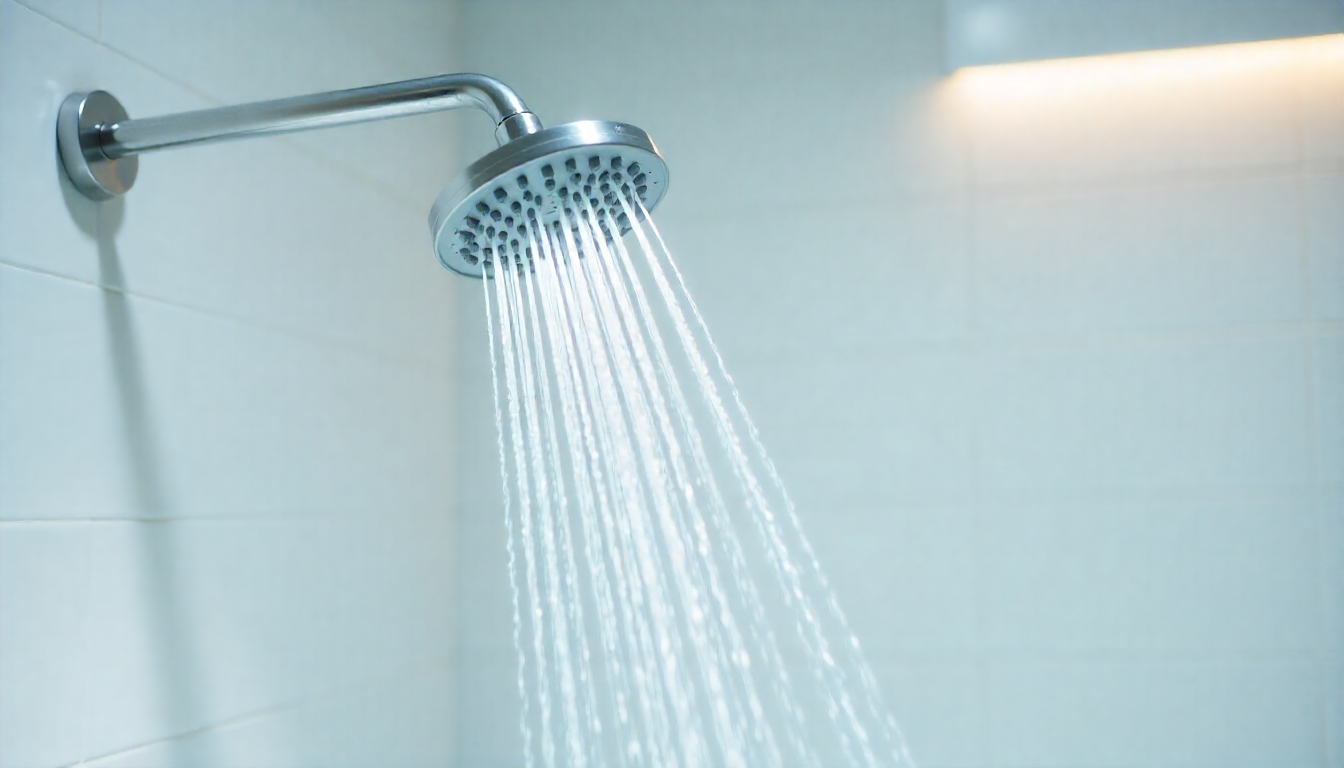
Introduction:
Knowing how to clean bathroom shower head is an essential part of keeping your bathroom fresh, hygienic, and fully functional. Over time, mineral deposits, soap scum, and bacteria can build up inside the shower head, reducing water pressure and affecting water quality. The good news is that cleaning it is simple, affordable, and requires only a few household items. In this guide, you’ll learn step-by-step methods, natural cleaning options, and useful tips to keep your shower head sparkling clean and performing like new.
Table of Contents
Why You Should Clean Your Shower Head Regularly
When it comes to bathroom maintenance, most people overlook one simple task — cleaning the shower head. Learning how to clean bathroom shower head regularly is essential not just for appearance, but also for your health and water efficiency.
Over time, mineral deposits from hard water, soap scum, and even bacteria can build up inside and around the shower head. This buildup blocks water flow, causes uneven spraying, and may even release harmful microorganisms every time you shower.
1. Prevent Mineral and Limescale Build-Up
If your area has hard water, minerals like calcium and magnesium gradually accumulate on the shower head nozzles. This leads to reduced water pressure and an uneven spray pattern. Cleaning your shower head every few weeks prevents stubborn limescale and keeps water flowing smoothly.
2. Improve Water Flow and Pressure
When the holes in your shower head are blocked, water struggles to come out properly. Regular cleaning removes those blockages and restores steady water pressure, making your shower experience refreshing and efficient.
3. Reduce Bacteria and Mold Growth
Moist environments are ideal for mold and bacteria to grow. Studies have shown that dirty shower heads can harbor harmful bacteria like Mycobacterium avium, which can be released in the mist while showering. Keeping it clean helps maintain a hygienic bathroom and ensures the water you bathe with is safe.
4. Extend the Life of Your Shower Head
Mineral buildup and corrosion can shorten the lifespan of your shower head. By taking a few minutes to clean it regularly, you can prevent damage and save money on replacements.
5. Enhance Overall Bathroom Hygiene
A clean shower head not only improves performance but also contributes to a healthier bathroom environment. It prevents unpleasant smells, ensures better water quality, and keeps your bathroom looking spotless.
In short:
Knowing how to clean bathroom shower head regularly helps maintain strong water pressure, reduces bacteria, and prolongs your shower fixture’s life. It’s a quick and simple habit that offers long-term benefits for both your health and your bathroom’s cleanliness.
Signs Your Shower Head Needs Cleaning
It’s easy to forget about cleaning your shower head until you notice something feels “off” during your shower. Learning how to clean bathroom shower head is only half the task — knowing when to clean it is just as important. Over time, buildup and bacteria can affect both the performance and cleanliness of your shower.
Here are the most common signs your shower head needs cleaning:
1. Weak or Uneven Water Flow
If the water pressure suddenly feels low or sprays in different directions, it’s a clear sign that mineral deposits are clogging the tiny holes in your shower head. Regular cleaning removes these blockages and restores steady, even water flow.
2. Water Spraying in Odd Directions
When some nozzles are blocked while others remain open, the water may shoot sideways or scatter unevenly. This happens due to limescale buildup or trapped debris — a sure sign it’s time to clean your shower head.
3. Discoloration or Stains on the Shower Head
If you notice white, green, or brown spots on the metal or rubber nozzles, those are mineral stains or mold buildup. Cleaning your shower head helps remove these deposits and restores its shine
4. Strange Odor from the Water
A foul or musty smell coming from your shower could mean bacteria or mold is growing inside the head. Regularly learning how to clean bathroom shower head helps eliminate that odor and keeps your shower hygienic.
5. Irregular Water Temperature or Flow Delay
If it takes longer for the water to reach the right temperature or flow normally, mineral buildup might be restricting the water path. Cleaning ensures consistent temperature and pressure.
6. Visible Mold or Slime Buildup
Dark spots, slimy residue, or moldy patches around the shower head are signs of bacteria accumulation. These should never be ignored — cleaning immediately helps prevent potential health issues.
In short:
If you notice weak water flow, strange odors, or visible deposits, it’s time to learn how to clean bathroom shower head and restore its performance. Regular cleaning not only improves water quality but also keeps your bathroom healthy and fresh.
What You’ll Need Before You Star
Before you begin learning how to clean bathroom shower head, it’s important to gather the right tools and cleaning materials. Having everything ready will make the process faster, easier, and more effective. Most of these items are simple household supplies you may already have at home.
Essential Cleaning Supplies
- White Vinegar – The key ingredient for dissolving mineral buildup and limescale naturally.
- Baking Soda (Optional) – Helps remove stubborn stains and neutralizes odors.
- Old Toothbrush or Small Cleaning Brush – Perfect for scrubbing the nozzles and removing debris.
- Soft Cloth or Sponge – For wiping down the shower head after cleaning.
- Plastic Bag – Useful for soaking non-removable shower heads in vinegar.
- Rubber Band or Twist Tie – Helps secure the plastic bag around the shower head.
- Toothpick or Pin (Optional) – For unclogging tiny nozzles and ensuring smooth water flow.
- Warm Water – To rinse off vinegar and residue after cleaning.
Optional for Deep Cleaning
If your shower head hasn’t been cleaned in a while, these items can make the process more thorough
- Lemon Juice – Natural disinfectant and deodorizer.
- Microfiber Cloth – For a streak-free finish after polishing.
- Small Bowl or Bucket – To soak detachable shower heads.
Safety Tip
Always check your shower head’s material before using strong solutions. Vinegar works great for most metal and plastic types, but avoid using harsh chemicals that might damage chrome or brass finishes.
In short:
Gathering these basic tools and natural ingredients will make how to clean bathroom shower head simple, safe, and effective. Once you have everything ready, you can move on to the step-by-step cleaning process with confidence.
How to Clean Bathroom Shower Head: Step-by-Step
Now that you have all your supplies ready, it’s time to learn how to clean bathroom shower head the right way. Whether it’s detachable or fixed, cleaning it thoroughly will remove limescale, soap scum, and bacteria buildup—restoring strong water flow and hygiene.
Follow these simple steps for a spotless, fresh shower head:
Remove the Shower Head (If Possible)
If your shower head can be detached, carefully unscrew it using your hand or a wrench wrapped in a cloth (to protect the finish). Removing it allows for deeper cleaning and easier access to clogged nozzles.
Prepare a Vinegar Cleaning Solution
Fill a bowl or container with equal parts white vinegar and warm water. Vinegar’s natural acidity helps dissolve mineral buildup and kills bacteria without harsh chemicals.
Soak the Shower Head
Place the shower head into the vinegar solution and let it soak for at least 30 minutes. For heavy buildup, leave it overnight. This loosens limescale and grime inside the nozzles and joints.
Scrub Away Residue
After soaking, use an old toothbrush to gently scrub the nozzles and outer surface. Focus on the tiny holes where water comes out—this helps remove any remaining mineral deposits or mold.
Rinse Thoroughly with Warm Water
Rinse the shower head under running warm water to wash away vinegar, loosened dirt, and residue. Shake it gently to remove trapped water from inside.
Reattach and Test the Water Flow
Once clean, screw the shower head back into place. Turn on the hot water for a minute to flush out any remaining particles and ensure smooth, even water flow.
Extra Tip for Non-Removable Shower Heads
If your shower head cannot be removed, fill a plastic bag with vinegar, secure it around the head with a rubber band, and let it soak for an hour. Then remove the bag, scrub gently, and run water to rinse.
In short:
Following these simple steps for how to clean bathroom shower head ensures a sparkling fixture, strong water flow, and a more hygienic shower every time. A quick clean once a month can make a big difference in keeping your bathroom fresh and functional.
How to Clean Without Removing the Shower Head
If your shower head is fixed and cannot be removed, don’t worry — you can still deep clean it effectively. Knowing how to clean bathroom shower head without taking it off is simple, mess-free, and just as effective for removing limescale, mineral deposits, and bacteria buildup.
Follow this easy method to make your shower head shine again without detaching it:
Step 1: Prepare a Vinegar Solution
Mix one cup of white vinegar with one cup of warm water in a small bowl. Vinegar’s natural acidity breaks down hard water stains and disinfects the surface gently.
Step 2: Fill a Plastic Bag with the Solution
Pour the vinegar mixture into a sturdy plastic bag—make sure it’s large enough to fully submerge the shower head.
Step 3: Attach the Bag to the Shower Head
Carefully place the bag over the shower head so it’s fully covered by the vinegar solution. Secure it tightly with a rubber band, twist tie, or string to prevent leaks.
Step 4: Let It Soak
Leave the bag in place for 30 minutes to 1 hour. For severe mineral buildup, you can let it soak overnight. During this time, the vinegar will dissolve limescale and disinfect the nozzles.
Step 5: Remove the Bag and Scrub Lightly
After soaking, remove the bag carefully and dispose of the used solution. Use an old toothbrush to gently scrub the shower head surface and nozzle area to remove any loosened residue.
Step 6: Rinse with Hot Water
Finally, turn on the hot water for a minute or two. This will flush out any remaining vinegar and debris, leaving your shower head clean and the water flow strong.
In short:
If you prefer not to detach your fixture, this easy method shows how to clean bathroom shower head using just a plastic bag, vinegar, and water. It’s quick, effective, and helps you maintain strong water pressure and hygiene without any hassle.
Natural Cleaning Methods (Eco-Friendly Options)
If you prefer green cleaning and want to avoid harsh chemicals, there are several natural and eco-friendly ways to keep your shower head spotless. Learning how to clean bathroom shower head using simple, non-toxic ingredients not only protects your health but also helps the environment. These methods are safe, affordable, and just as effective as commercial cleaners.
White Vinegar Soak
White vinegar is one of the best natural cleaners for removing limescale, soap scum, and bacteria buildup. Simply soak your shower head in a mixture of equal parts vinegar and warm water for 30–60 minutes. Rinse well afterward for a fresh, shiny finish.
Baking Soda Paste
Baking soda is another excellent eco-friendly cleaner. Combine a couple of tablespoons of baking soda with just enough water to create a smooth, thick paste.
Apply it to the shower head, especially around clogged nozzles, and let it sit for 15–20 minutes. Then, scrub gently and rinse with warm water.
Lemon Juice Cleaner
Lemon juice contains natural citric acid that helps dissolve mineral deposits and leaves a fresh scent. Soak a cloth or sponge in fresh lemon juice, wrap it around the shower head, and leave it for 30 minutes. Afterward, wipe and rinse thoroughly.
Vinegar and Baking Soda Combination
For deep cleaning, mix ½ cup of vinegar with 2 tablespoons of baking soda. The fizzing reaction helps loosen grime, mold, and mineral buildup. Apply this mixture directly to the shower head, wait 10 minutes, then rinse with warm water.
Steam Cleaning
If you have a handheld steam cleaner, it can sanitize your shower head naturally using only water. Direct the steam onto the nozzles for a few minutes to kill bacteria and loosen dirt. It’s one of the cleanest, chemical-free options available.
In short:
These eco-friendly methods make how to clean bathroom shower head safe for your home, your health, and the planet. Using natural ingredients like vinegar, baking soda, and lemon juice not only saves money but also keeps your shower head fresh, shiny, and chemical-free.
Preventing Future Build-Up
Once you’ve learned how to clean bathroom shower head, the next step is to prevent mineral deposits and mold from coming back. Regular maintenance keeps your shower head working efficiently, extends its lifespan, and saves you from frequent deep cleaning.
Here are a few simple tips to prevent future buildup and keep your shower head sparkling clean:
1. Wipe the Shower Head After Each Use
After every shower, use a soft cloth or towel to wipe off excess water. This simple habit helps prevent water spots, limescale, and soap residue from drying on the surface.
2. Do a Quick Vinegar Rinse Monthly
Once a month, soak your shower head in white vinegar for 10–15 minutes to dissolve minor mineral buildup before it becomes stubborn. This quick rinse helps maintain smooth water flow and hygiene.
3. Use a Water Softener (If You Have Hard Water)
Hard water contains minerals like calcium and magnesium that cause buildup over time. Installing a water softener or shower filter can significantly reduce deposits and make cleaning much easier.
4. Run Hot Water After Cleaning
After you clean the shower head, run hot water for a few minutes. This helps flush out any leftover vinegar, baking soda, or mineral debris, keeping the nozzles clear and free-flowing.
5. Keep the Bathroom Ventilated
Good airflow reduces humidity and prevents mold or bacteria from forming inside and around your shower head. Open a window or use an exhaust fan during and after showers.
In short:
Preventing buildup is just as important as knowing how to clean bathroom shower head. With simple habits like wiping after use, monthly vinegar rinses, and using a water filter, you can keep your shower head looking new and performing perfectly all year round.
Common Mistakes to Avoid
While learning how to clean bathroom shower head, it’s just as important to know what not to do. Some cleaning habits can damage your shower head, reduce its lifespan, or even affect your water quality. Avoiding these common mistakes will help you keep your shower head in great condition for years to come.
1. Using Harsh Chemicals
Many people think strong cleaners work better, but harsh chemicals like bleach or ammonia can corrode metal finishes and damage rubber nozzles. Stick to natural cleaners like vinegar or lemon juice — they’re safe and effective.
2. Scrubbing Too Hard
Using abrasive brushes, steel wool, or rough pads can scratch the surface of your shower head. Always use a soft toothbrush or cloth to gently remove buildup.
3. Forgetting to Rinse Properly
After cleaning, failing to rinse thoroughly can leave behind vinegar or baking soda residue, which may clog nozzles or affect water flow. Always run warm water for at least a minute after cleaning.
4. Ignoring the Shower Arm and Connection
Many people only clean the nozzles but forget the shower arm and the connection point, where mineral buildup also occurs. Wipe and check these areas regularly for leaks or deposits.
5. Not Cleaning Regularly
Waiting too long between cleanings allows mineral buildup and mold to harden, making it more difficult to remove. Clean your shower head at least once a month for best results.
6. Overusing Baking Soda and Vinegar Together
While this combo is great for some cleaning tasks, using too much can cause excess fizzing, which might splash or make cleaning messy. Use balanced amounts for best results.
In short:
Avoiding these mistakes ensures that how to clean bathroom shower head stays safe, simple, and effective. Treat your shower head gently, use natural cleaners, and maintain it regularly for lasting shine and strong water flow.
FAQ
If you’re still unsure about how to clean bathroom shower head, these frequently asked questions will help you understand the process better and clear up common doubts.
1. How often should I clean my shower head?
It’s best to clean your shower head once every month to prevent mineral buildup, mold, and bacteria growth. If you live in an area with hard water, you may need to clean it more often—every two weeks for best results.
2. What is the easiest way to clean a shower head?
The easiest and most effective method is to soak the shower head in white vinegar for 30–60 minutes. This natural cleaner dissolves limescale and bacteria without damaging the fixture.
3. Can I clean the shower head without removing it?
Yes! You can clean it without detaching it by filling a plastic bag with vinegar, securing it around the shower head with a rubber band, and letting it soak for an hour. Then remove the bag and rinse thoroughly.
4. Is vinegar safe for all shower heads?
White vinegar is safe for most shower heads, including chrome and plastic ones. However, avoid soaking brass or gold-plated fixtures for too long, as vinegar’s acidity may dull the finish.
5. Can I use lemon juice instead of vinegar?
Yes! Lemon juice is a great natural alternative. Its citric acid helps break down mineral deposits and leaves a fresh, clean scent. It’s perfect if you want a gentle, eco-friendly option.
6. Why does my shower head spray unevenly even after cleaning?
If the spray is still uneven, there might be deeper mineral buildup inside the shower arm or clogged nozzles that need extra scrubbing. Use a toothpick or needle to gently clear the holes.
7. Can mold grow inside a shower head?
Yes, mold and bacteria can thrive in moist areas like shower heads. That’s why knowing how to clean bathroom shower head regularly is important for both hygiene and water quality.
8. What should I do if the buildup doesn’t come off easily?
If vinegar alone doesn’t work, try soaking the shower head longer or use a mix of vinegar and baking soda for a deeper clean. Scrub gently with a toothbrush and rinse thoroughly.
In short:
These FAQs cover everything you need to know about how to clean bathroom shower head safely and effectively. With regular maintenance and the right natural cleaning methods, you can enjoy a strong, clean, and refreshing shower every day.
Conclusion
Keeping your shower head clean doesn’t have to be complicated. By following the simple methods shared in this guide, you now know exactly how to clean bathroom shower head safely, naturally, and effectively. Regular cleaning not only improves water flow but also prevents bacteria, mold, and mineral buildup that can affect your health and your shower’s performance.
Whether you choose to soak it in vinegar, use baking soda, or try an eco-friendly lemon solution, consistent care will make a big difference. A few minutes of cleaning each month can help you maintain a fresh, hygienic, and long-lasting shower head.
So, the next time you notice uneven water spray or dull metal, don’t rush to replace it—simply clean it! Knowing how to clean bathroom shower head properly saves you time, money, and gives you a better shower experience every day.Knowing how to clean bathroom shower head is an essential part of keeping your bathroom fresh, hygienic, and fully functional. Over time, mineral deposits, soap scum, and bacteria can build up inside the shower head, reducing water pressure and affecting water quality. The good news is that cleaning it is simple, affordable, and requires only a few household items. In this guide, you’ll learn step-by-step methods, natural cleaning options, and useful tips to keep your shower head sparkling clean and performing like new.