Introduction
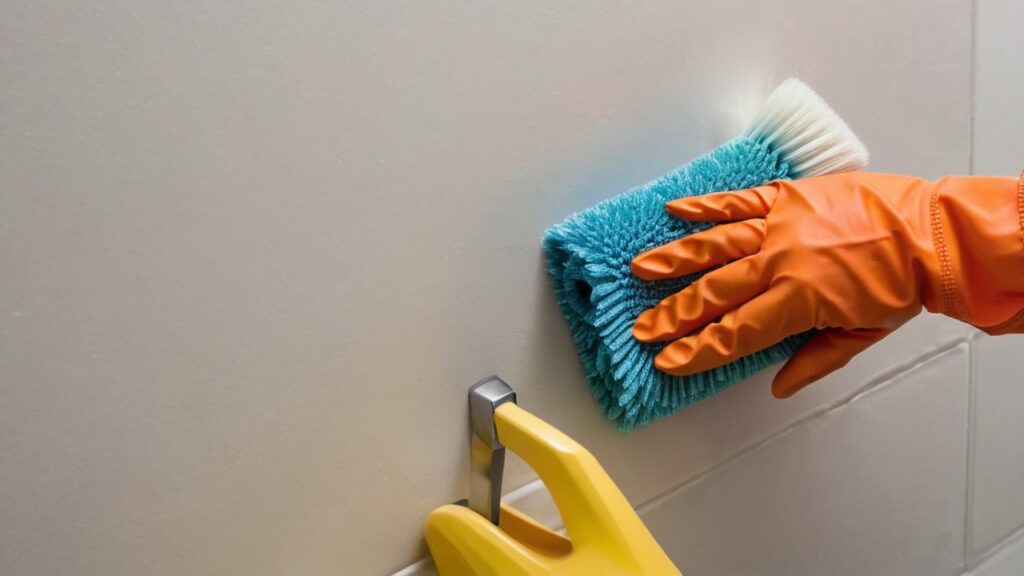
Keeping your home fresh and hygienic starts with cleaning bathroom walls. Over time, walls can accumulate soap scum, mildew, hard-water stains, and everyday grime, making your bathroom look dull and uninviting. With the right techniques, tools, and simple preventative habits, maintaining spotless bathroom walls is easier than you might think. In this guide, we’ll walk you through everything you need to know to keep your bathroom walls clean, healthy, and sparkling.
Table of Contents
Why Cleaning Bathroom Walls Matters
Regular cleaning of bathroom walls is more important than most people realise. Bathroom walls are constantly exposed to moisture, soap residue, shampoo splashes, and everyday grime. When these layers build up, they don’t just make your bathroom look dirty—they can lead to bigger hygiene and maintenance problems. major reason this task matters is mould and mildew prevention. Bathrooms stay humid, and the walls often remain damp after showers. This makes them a perfect breeding ground for mould,, which can cause unpleasant odours and even trigger allergies. Keeping your walls clean helps stop mould from forming and keeps your bathroom fresh. Another benefit is protecting the wall surfaces. Whether your bathroom walls are tiled, painted, or stone, dirt and residue can wear down the materials over time. Soap scum can dull shiny surfaces, and hard-water deposits can leave long-lasting stains. By cleaning bathroom walls regularly, you maintain their appearance and extend their lifespan.
Clean walls also improve the overall hygiene of your bathroom. Since bacteria thrive in damp environments, dirty walls can contribute to an unhealthy space. A quick cleaning routine ensures your bathroom stays sanitary and safe for daily use.
Finally, clean bathroom walls make your entire bathroom look brighter and more inviting. It’s a small part of maintenance that has a big impact on the overall look of your home.
What Causes Dirt and Stains on Bathroom Walls?
Understanding what causes dirt and stains makes cleaning bathroom walls much easier and more effective. Bathroom walls face constant exposure to moisture, products, and daily use, which leads to different types of buildup over time.
1. Moisture and Humidity
Bathrooms stay damp after every shower. When moisture settles on the walls, it creates the perfect environment for mould and mildew. It occurs more often in spaces that lack proper ventilation, especially bathrooms.Over time, moisture marks can appear even on painted surfaces.
2. Soap and Shampoo Residue
Every time you wash your hands, shower, or shampoo your hair, tiny droplets land on the walls. These droplets dry into a filmy layer of soap scum that sticks to tiles and painted walls. This buildup makes your bathroom look dull and dirty even when the rest of the room is clean.
3. Hard Water Deposits
If you live in an area with hard water, minerals like calcium and magnesium can cling to your wall surfaces. These minerals leave behind chalky white stains that become difficult to remove if not cleaned regularly.
4. MouldMould Spores
Mould spores naturally exist in the air, but they multiply quickly in damp spaces. Once they settle on bathroom walls, they create dark spots that grow larger over time. Without proper cleaning, they can spread across grout lines and corners.
5. Dust and Daily Grime
Even though bathrooms are humid, dust still collects on walls. When dust mixes with moisture, it turns into sticky grime that sticks to surfaces and makes walls look dirty. This usually appears near vents, behind toilets, and around the shower area.
Your Go-To Toolkit for Cleaning Bathroom Walls
Having the right tools makes cleaning bathroom walls faster, easier, and far more effective. Different types of dirt—like soap scum, mildew, and hard-water stains—require specific tools and cleaners. Here’s a simple list of what you should keep on hand to get the best results.
MicrofibreMicrofibre Cloths
MicrofibreMicrofibre cloths are gentle on surfaces and excellent at lifting dirt without scratching tiles or paint. They’re perfect for wiping, drying, and polishing bathroom walls.
Soft-Soft- or Medium-Bristle Scrub Brush
A good scrub brush helps you clean textured surfaces, grout lines, and stubborn buildup. Choose a brush that’s firm enough to remove dirt but soft enough not to damage delicate surfaces.
Squeegee
A squeegee is especially useful after showers. It removes water quickly and helps prevent soap scum, water spots, and mildew from forming on walls.
Cleaning Solutions
You can use a mix of natural and commercial options depending on the type of dirt you’re targeting:
- White vinegar – great for soap scum and mild staining
- Dish soap – ideal for general cleaning
- Baking soda – effective for scrubbing tough stains
- Hydrogen peroxide – excellent for mouldmould and mildew
- Commercial bathroom cleaners – strong formulas designed for tiles and grout
Spray Bottle
A spray bottle makes it easy to apply cleaning solutions evenly across large wall sections.
Bucket
Use a bucket to mix cleaning solutions or carry rinse water while cleaning.
Gloves
Gloves protect your hands from harsh chemicals and hot water, especially if you’re cleaning mouldmould or using strong cleaners.
Ventilation Fan or Open Window
Proper ventilation helps dry walls faster and prevents moisture buildup during and after cleaning.
Step-by-Step Guide to Cleaning Bathroom Wall
Whether your walls are tiled, painted, or stone, this simple step-by-step guide will help you make cleaning bathroom walls faster, easier, and more effective. Follow these instructions to remove dirt, soap scum, mildew, and mineral deposits without damaging the surface.
1. General Cleaning for All Wall Types
Remove Dust and Loose Dirt
Start by wiping down the walls with a dry microfibre cloth or duster. This removes dust, hair, and loose debris before you apply any cleaner.
Prepare Your Cleaning Solution
For a gentle, all-purpose mix:
- 1 cup warm water
- 1 cup white vinegar
- A few drops of dish soap
Pour into a spray bottle and shake gently.
Spray the Walls
Lightly mist the walls from top to bottom. Don’t oversaturate—lettingoversaturate—letting a thin layer sit for a few minutes is enough to break down grime.
Wipe Down the Walls
Use a microfibremicrofibre cloth or soft sponge to wipe in circular motions. Focus on corners, around faucets, and heavily used areas.
Rinse and Dry
Rinse with clean warm water and dry with a fresh cloth or squeegee. Drying helps prevent water spots and mildew.
2. Cleaning Tile Bathroom Walls
Tile walls often collect soap scum and hard-water stains, so they need slightly stronger cleaning.
Apply Cleaning Solution
Use vinegar-based spray or a commercial tile cleaner to help break down residue.
Scrub the Tiles
Use a medium-bristle brush to scrub tiles and grout lines. For tough grime, sprinkle a little baking soda on your sponge and scrub gently.
Rinse Thoroughly
Tiles should be rinsed well to remove cleaner, especially if you’re using baking soda or strong commercial products.
Polish the Surface
Dry the tiles using a microfiber cloth to restore shine and prevent streaks.
3. Cleaning Painted Bathroom Walls
Painted walls require more caution to avoid damage.
Use a Mild Cleaner
Stick to a soft mix of warm water and a few drops of dish soap. Avoid vinegar on matte paint.
Spot Clean First
Gently clean small stained areas using a damp cloth. For stubborn marks, use a tiny dab of baking soda paste—but test it on a small section first.
Wipe the Whole Wall
Use a very lightly damp cloth and wipe downward. Never scrub aggressively, as it may remove paint.
Dry the Surface
Pat the wall dry with a soft towel.
4. Cleaning Marble or Stone Bathroom Walls
Stone and marble surfaces need special care because acidic cleaners can cause permanent damage.
Use a pH-Neutral Cleaner
Avoid vinegar-microfibre or lemon-based cleaners. Use stone-safe products only.
Wipe Gently
Use a soft cloth and mild cleaner to wipe down the walls. For deeper cleaning, follow the stone manufacturer’s recommendation.
Rinse Carefully
Stone surfaces should always be rinsed with clean water to remove cleaner residue.
Dry and Buff
Use a clean microfibre towel to buff the stone until dry. This enhances shine and prevents watermarks.
How to Remove Tough Stains on Bathroom Walls
Even with regular cleaning bathroom walls, some stains can still be stubborn. Soap scum, mildew, hard-water buildup, and product residue often cling to surfaces and require targeted cleaning methods. Here’s how to remove the most common tough stains without damaging your walls.
1. Removing Mold & Mildew
Mold and mildew are common in humid bathrooms, especially on walls near showers.
How to Clean It:
- Spray hydrogen peroxide directly onto the affected area.
- Leave the cleaner on the area for 10–15 minutes to ensure it destroys the mold spores.
- Scrub gently with a soft brush or sponge.
- Rinse and dry thoroughly.
Tip: For persistent mildew, apply a paste of baking soda and water before scrubbing.
Best For:
Tile walls, grout, and painted walls (test first on flat paint).
2. Removing Hard Water Stains
Hard water stains appear as chalky white or cloudy spots, especially on tiles.
How to Clean It:
- Spray the wall with white vinegar and let it sit for 5–10 minutes.
- Scrub lightly with a sponge or brush.
- Rinse well to prevent streaks.
Tip: For extra stubborn spots, use a cloth soaked in vinegar and press it against the stain for 10 minutes before scrubbing.
Best For:
Tile, ceramic, and glass shower walls.
3. Removing Soap Scum
Soap scum forms sticky, filmy layers on bathroom walls and can dull the appearance of tiles.
How to Clean It:
- Fill a spray bottle with a 1:1 mixture of dish soap and vinegar.
- Spray generously over the scum.
- Let it sit for 5 minutes.
- Scrub with a non-scratch sponge.
- Rinse and dry.
Tip: A Magic Eraser-style sponge can work well on tough buildup but should be used lightly.
Best For:
Tiles, fiberglass, and some painted surfaces (avoid scrubbing too hard).
4. Removing Oil-Based Stains from Hair Products
Hairspray, conditioners, and oils can leave greasy marks on painted or tiled walls.
How to Clean It:
- Apply a small amount of dish soap to a damp cloth.
- Gently wipe the affected area in circular motions.
- Rinse with clean water.
- Dry with a cloth to prevent streaks.
Tip: Avoid vinegar on oil stains—soap works much better for breaking down grease.
Best For:
Painted walls, tiles, and vinyl surfaces.
5. Removing Rust Stains
Rust stains may form on walls near metal fixtures or where water drips.
How to Clean It:
- Rub a paste of water and baking soda onto the stained spot for better cleaning.
- Let it sit for 10 minutes.
- Gently scrub with a brush.
- Rinse thoroughly.
Tip: For tile, a lemon-and-salt paste can work too—but avoid this on stone or marble.
Best For:
Ceramic tile walls only—never use acidic cleaners on stone.
How Often Should You Clean Bathroom Walls?
Knowing how often to clean your walls is just as important as knowing how to do it. Regular cleaning bathroom walls helps prevent mold, soap scum, and stains from building up. The ideal cleaning frequency depends on how much your bathroom is used, the humidity levels, and the types of wall surfaces you have. Here’s a simple guide to keep your walls looking fresh year-round.
1. Weekly Maintenance Cleaning
A light weekly cleaning helps prevent dirt and moisture from settling on your bathroom walls.
What to do:
- Wipe down walls with a damp microfiber cloth.
- Spray a mild cleaning solution on areas that get the most water exposure, like shower walls.
- Use a squeegee after showers to reduce water spots and soap residue.
Why it matters:
Weekly maintenance prevents the need for heavy scrubbing later on.
2. Monthly Deep Cleaning
Once a month, give your bathroom walls a thorough clean to remove stubborn buildup.
What to do:
- Apply your preferred cleaning solution across the walls.
- Scrub tile grout, corners, and high-moisture areas.
- Rinse and dry the walls thoroughly.
Why it matters:
Deep cleaning keeps tile and grout bright, prevents mildew, and maintains paint quality.
3. When to Clean More Frequently
Some bathrooms need more frequent cleaning bathroom walls, especially if:
- Multiple people use the bathroom daily
- There is poor ventilation or no exhaust fan
- You live in a humid climate
- Hard water stains appear quickly
- Mold forms easily
Tip: If moisture lingers on your walls for more than 30 minutes after a shower, you likely need more frequent cleaning.
4. When You Should Clean Immediately
If you notice any of the following signs, clean right away:
- Visible mold or mildew
- Sticky residue on painted walls
- Heavy soap scum buildup
- Rust stains near fixtures
- Strong odors near the shower or tub
Cleaning as soon as you spot these issues prevents long-term damage and keeps your bathroom healthy.
Preventative Tips to Keep Bathroom Walls Clean Longer
Preventing buildup is just as important as cleaning bathroom walls. When you take a few simple steps each day, you can reduce moisture, control soap scum, and stop stains before they even start. These preventative habits will save you time and keep your bathroom looking fresh with much less effort.
1. Improve Ventilation
Moisture is the number one cause of mildew and wall stains.
What to do:
- Run your exhaust fan during and for 15–20 minutes after every shower.
- If you don’t have a fan, open the bathroom window to improve air circulation.
- Keep the bathroom door open when possible to reduce humidity buildup.
Why it helps:
Good airflow prevents mold, mildew, and moisture marks from forming on your walls.
2. Use a Daily Shower Spray
Daily shower sprays help reduce soap scum and mineral deposits.
What to do:
- Lightly mist walls after every shower using a store-bought or homemade spray (vinegar + water works well on tiles).
Why it helps:
Daily sprays slow down soap scum buildup, making cleaning bathroom walls easier during weekly maintenance.
3. Wipe Walls After Showers
A simple wipe-down makes a big difference.
What to do:
- Pull a squeegee down the tiled walls to get rid of leftover moisture.
- Use a microfiber cloth on painted or stone walls.
Why it helps:
Removing water instantly prevents streaks, mildew growth, and hard-water stains.
4. Seal Your Grout Lines
Grout absorbs moisture and stains easily, so sealing it helps keep walls cleaner.
What to do:
- Apply a grout sealer every 6–12 months.
- Clean grout weekly to stop stains from settling deep into the pores.
Why it helps:
Sealed grout resists mold, discoloration, and grime buildup.
5. Keep Shampoo and Soap Bottles Clean
Leaky bottles cause drips that splash onto walls.
What to do:
- Check bottles regularly for residue.
- Clean sticky shampoo or conditioner bottles weekly.
Why it helps:
Avoids streaks and sticky marks that require extra scrubbing.
6. Reduce Humidity Whenever Possible
Bathrooms with high humidity make dirt stick faster to walls.
What to do:
- Use a dehumidifier if ventilation is poor.
- Avoid extremely hot showers that produce heavy steam.
Why it helps:
Controlling humidity reduces mold growth and keeps your walls cleaner for longer.
7. Switch to Liquid Soap or Low-Residue Products
Bar soaps often cause more scum than liquid soaps.
What to do:
- Use liquid body wash to reduce soap scum.
- Choose shampoos or conditioners with low oil content if wall residue is a problem.
Why it helps:
Cleaner products mean less buildup on your walls over time.
Natural Cleaning Solutions for Bathroom Walls
If you prefer eco-friendly cleaning or want to avoid harsh chemicals, natural cleaning solution can work wonders when cleaning bathroom walls. These simple ingredients are safe, affordable, and effective for removing dirt, soap scum, and even mild stains. Here are some of the best natural solutions you can use.
1. Vinegar and Water Solution
As a natural cleaner, vinegar offers impressive versatility.
How to use it:
- Blend warm water and white vinegar in equal portions inside a spray bottle for easy use.
- Spray it onto tiles or glass walls.
- Let it sit for 3–5 minutes.
- Wipe with a microfiber cloth and rinse.
Best For:
Tile, ceramic, and glass surfaces.
Avoid On:
Marble, granite, or natural stone (vinegar is too acidic).
2. Baking Soda Paste
Baking soda is mildly abrasive and perfect for tackling stubborn spots without damaging walls.
How to use it:
- Create a thick paste by slowly adding water to baking soda and mixing well.
- Apply the paste to stains or soap scum.
- Scrub gently with a sponge or brush.
- Rinse well and dry.
Best For:
Tile walls, grout, and light stain removal.
3. Lemon Juice Cleaner
Lemon juice has natural antibacterial and de-greasing properties.
How to use it:
- Mix ½ cup lemon juice with 1 cup warm water.
- Spray on stained or greasy areas.
- Let it sit for a few minutes.
- Wipe clean and rinse.
Best For:
Removing soap scum and freshening the bathroom walls with a natural scent.
Avoid On:
Marble or stone, as lemon is acidic.
4. Hydrogen Peroxide Spray
Hydrogen peroxide is a natural disinfectant and works well on mold and mildew.
How to use it:
- Pour 3% hydrogen peroxide into a spray bottle (no mixing needed).
- Spray directly on moldy spots.
- Let it sit for 10–15 minutes.
- Scrub lightly and rinse.
Best For:
Tiles, grout, and mildew-prone areas.
5. Castile Soap and Water
Castile soap is gentle, plant-based, and safe for most surfaces.
How to use it:
- Add 1 tablespoon of liquid castile soap to a spray bottle filled with warm water.
- Shake gently.
- Spray on the walls and wipe with a microfiber cloth.
Best For:
Painted walls, tiles, and everyday cleaning.
6. Essential Oils (Optional Upgrade)
For a fresh smell and extra antibacterial benefits, you can add a few drops of:
- Tea tree oil
- Lavender oil
- Eucalyptus oil
Add to any natural cleaner, but always test on a small area first.
Common Mistakes to Avoid When Cleaning Bathroom Walls
Even when you’re diligent about cleaning bathroom walls, certain mistakes can reduce effectiveness or even damage your surfaces. Avoiding these errors will save you time, effort, and money while keeping your bathroom walls looking fresh.
Using Abrasive Scrubbers
Many people reach for steel wool or rough brushes, thinking it will remove stains faster.
Why it’s a mistake:
Abrasive scrubbers can scratch tiles, remove paint, or damage grout, making walls harder to clean in the long run.
Better alternative:
Use soft- or medium-bristle brushes, microfibre cloths, or non-scratch sponges for all wall surfaces.
Mixing Harsh Chemicals
Some DIY cleaning hacks suggest combining bleach with vinegar or ammonia.
Why it’s a mistake:
Mixing chemicals can produce toxic fumes that are dangerous to inhale.
Better alternative:
Use one cleaner at a time and always read labels carefully. If you need a stronger cleaner, rinse thoroughly before switching products.
Skipping Ventilation
Many people clean bathrooms with the door closed and no fan running.
Why it’s a mistake:
Poor ventilation keeps moisture in the room, allowing mould and mildew to grow even after cleaning.
Better alternative:
Open windows or run the exhaust fan during and after cleaning to help walls dry quickly.
Ignoring Small Mould Spots
Small patches of mould might seem harmless.
Why it’s a mistake:
Even tiny mould spots can spread quickly in humid bathrooms. Waiting until they’re bigger makes them harder to remove.
Better alternative:
Treat small mould patches immediately with hydrogen peroxide or a safe mould remover.
Using the Wrong Cleaner for the Surface
Not all walls are the same—tiles, painted walls, and natural stone all react differently to cleaners.
Why it’s a mistake:
Using acidic cleaners on marble or abrasive cleaners on painted walls can cause permanent damage.
Better alternative:
Always identify your wall material and choose the appropriate cleaner before starting.
Forgetting to Dry Walls
After cleaning, many people leave walls wet.
Why it’s a mistake:
Remaining moisture leads to water spots, streaks, and faster mould growth.
Better alternative:
Use a microfibre cloth or squeegee to dry walls completely after cleaning.
Conclusion
Keeping your bathroom walls clean is not just about appearance—it’s about hygiene, maintenance, and creating a fresh, inviting space. Regular cleaning of bathroom walls prevents mould, mildew, soap scum, and hard-water stains from building up while protecting your wall surfaces and extending their lifespan. By following the right steps, using appropriate tools and cleaners, and adopting simple preventative habits, maintaining spotless bathroom walls becomes easy and efficient. Whether you choose natural solutions like vinegar and baking soda or specialised commercial cleaners, the key is consistency. Even small daily efforts, like wiping down walls after showers or improving ventilation, can save you from time-consuming deep cleans in the future. Investing a little effort in proper cleaning and maintenance ensures that your bathroom remains hygienic, visually appealing, and a comfortable space for everyone in your home.