Introduction
A clean bathroom is not complete without a spotless sink. The sink is one of the most frequently used areas in any bathroom, which means it quickly collects soap scum, toothpaste stains, hard water marks, and bacteria. This is where a bathroom sink cleaner becomes essential.
A good bathroom sink cleaner helps remove tough stains, eliminate germs, and restore shine with minimal effort. Whether you prefer chemical solutions for deep cleaning or natural options for everyday maintenance, the right cleaner can make your routine faster and more effective.
In this guide, you’ll learn everything about choosing and using a bathroom sink cleaner, including types, usage steps, DIY recipes, and expert cleaning tips to keep your sink looking fresh and hygienic every day.
Table of Contents
What Is a Bathroom Sink Cleaner?
A bathroom sink cleaner is a specially designed cleaning product used to remove dirt, soap scum, toothpaste residue, hard water stains, and bacteria from bathroom sinks. It helps keep your sink hygienic, shiny, and free from unpleasant odors.
Unlike general-purpose cleaners, a bathroom sink cleaner is formulated to tackle the specific types of grime commonly found in sinks, such as mineral deposits and product buildup. These cleaners work by breaking down stains and killing germs, making your sink easier to clean with minimal effort.
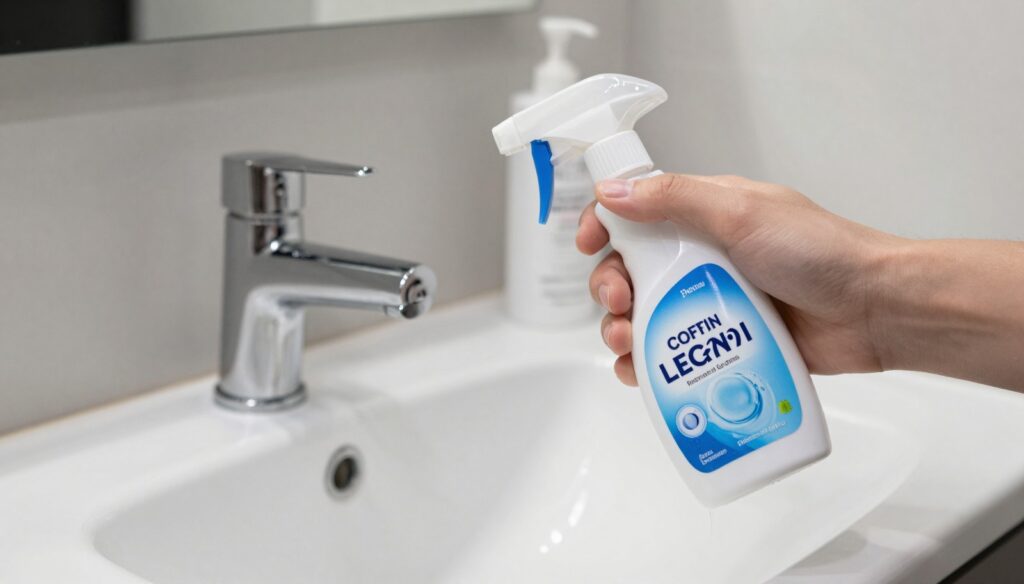
Bathroom sink cleaners come in different forms, including sprays, liquids, foams, and powders. Some are chemical-based for powerful, fast cleaning, while others are natural or eco-friendly, using ingredients like vinegar or baking soda for a safer alternative.
Using the right bathroom sink cleaner not only improves the appearance of your sink but also helps maintain hygiene by reducing bacteria and preventing buildup over time. Choosing the correct cleaner depends on your sink material and the type of stains you want to remove.
Types of Bathroom Sink Cleaner
There are several types of bathroom sink cleaner available, each designed to handle different cleaning needs. Choosing the right one depends on how dirty your sink is, the type of stains, and your personal preference.
Chemical Bathroom Sink Cleaners
Chemical cleaners are powerful and fast-acting. They are designed to remove tough stains like hard water deposits, soap scum, and grime with minimal scrubbing.
These bathroom sink cleaner products often contain strong ingredients that break down buildup quickly, making them ideal for deep cleaning. However, they should be used carefully, especially on delicate surfaces or around children and pets.
Natural / DIY Bathroom Sink Cleaners
Natural cleaners are a safer and eco-friendly option. Common ingredients include vinegar, baking soda, and lemon, which can effectively clean mild stains and remove odors.
A natural bathroom sink cleaner is perfect for regular maintenance and for people who want to avoid harsh chemicals. While they may take a little more effort, they are gentle on surfaces and better for the environment.
Store-Bought Multi-Purpose Cleaners
These are ready-to-use products that can clean not only sinks but also other bathroom surfaces. They offer convenience and are widely available.
A multi-purpose bathroom sink cleaner is a good choice if you want a simple solution for everyday cleaning without needing multiple products.
Specialized Bathroom Sink Cleaners
Some cleaners are designed for specific problems, such as:
- Hard water stain removers
- Rust removers
- Antibacterial cleaners
These types of bathroom sink cleaner products target specific issues and often deliver better results for stubborn or recurring stains.
How to Choose the Best Bathroom Sink Cleaner
Choosing the right bathroom sink cleaner is important to get the best results without damaging your sink. Not all cleaners work the same, so it’s essential to match the cleaner with your specific needs.
Consider Your Sink Material
Different sink materials require different care. Using the wrong bathroom sink cleaner can cause scratches or discoloration.
- Ceramic/Porcelain: Most cleaners are safe, but avoid overly abrasive powders
- Glass: Use non-abrasive, streak-free cleaners
- Stainless Steel: Avoid bleach-based products that can damage the finish
- Natural Stone: Use pH-neutral cleaners only (avoid vinegar or acidic solutions)
Identify the Type of Stains
Understanding what you’re trying to clean helps you pick the most effective bathroom sink cleaner.
- Hard Water Stains: Need acidic cleaners like vinegar-based solutions
- Soap Scum: Works best with foaming or degreasing cleaners
- Rust Stains: Require specialized rust removers
- General Dirt: Mild or multi-purpose cleaners are enough
Check Safety and Ingredients
Always review the label before choosing a bathroom sink cleaner, especially if you have kids, pets, or sensitive skin.
- Look for non-toxic or low-chemical formulas
- Avoid strong fumes in small bathrooms
- Use gloves if the cleaner is harsh
Decide Between Chemical and Natural Options
Both types of bathroom sink cleaner have their advantages:
- Chemical Cleaners: Strong, fast, and effective for deep cleaning
- Natural Cleaners: Safer, eco-friendly, and ideal for regular use
Choose based on how often you clean and how tough the stains are.
Ease of Use
A good bathroom sink cleaner should be simple and convenient to use.
- Spray bottles for quick application
- Foam cleaners for better surface coverage
- Wipes for fast daily cleaning
How to Use a Bathroom Sink Cleaner (Step-by-Step)
Using a bathroom sink cleaner the right way ensures better results and helps protect your sink from damage. Follow these simple steps for an effective and safe cleaning routine.
Step 1: Remove Debris and Rinse
Start by removing any visible dirt, hair, or debris from the sink. Rinse the surface with warm water to loosen grime and prepare it for cleaning.
Step 2: Apply the Bathroom Sink Cleaner
Spray or apply your chosen bathroom sink cleaner evenly across the surface, including around the faucet and drain area. Make sure all stained or dirty areas are covered.
Step 3: Let It Sit
Allow the bathroom sink cleaner to sit for a few minutes. This step is important because it gives the cleaner time to break down soap scum, stains, and bacteria.
Step 4: Scrub Gently
Use a soft sponge, cloth, or brush to scrub the sink. Focus on problem areas, but avoid using abrasive tools that could scratch the surface.
Step 5: Rinse Thoroughly
Rinse the sink with clean water to remove all cleaner residue. Leftover product can cause streaks or buildup over time.
Step 6: Dry the Surface
Wipe the sink with a clean, dry cloth to prevent water spots and leave a shiny finish.
Best DIY Bathroom Sink Cleaner Recipes
If you prefer a natural and budget-friendly option, making your own bathroom sink cleaner at home is a great choice. These DIY solutions use simple ingredients that are effective for everyday cleaning and safe for most surfaces.
1. Vinegar and Water Solution
This is one of the easiest and most effective DIY options.
How to make it:
- Mix white vinegar and water in equal proportions and pour into a spray bottle.
How to use it:
- Spray it on the sink surface
- Let it sit for a few minutes
- Wipe and rinse with clean water
This bathroom sink cleaner works well for removing hard water stains and killing odor-causing bacteria.
2. Baking Soda Paste
Baking soda is great for scrubbing and removing stubborn grime.
How to make it:
- Mix baking soda with a small amount of water to form a paste
How to use it:
- Apply the paste to stained areas
- Gently scrub with a sponge
- Rinse thoroughly
This natural bathroom sink cleaner is ideal for tackling tough spots without scratching most surfaces.
3. Lemon and Salt Cleaner
This method is perfect for removing stains and leaving a fresh scent.
How to make it:
- Cut a lemon in half and sprinkle salt on it
How to use it:
- Rub the lemon directly on the sink surface
- Focus on stained areas
- Rinse and wipe clean
This bathroom sink cleaner is especially useful for light stains and deodorizing your sink.
4. Vinegar and Baking Soda Combo (For Drains)
This combination is helpful for cleaning the sink drain and reducing odors.
How to use it:
- Pour baking soda into the drain
- Add vinegar slowly
- Let it fizz for a few minutes
- Rinse with hot water
While mainly for drains, this method supports overall sink cleanliness when using a bathroom sink cleaner routine.
Common Mistakes to Avoid
Even when using a bathroom sink cleaner, certain mistakes can reduce its effectiveness or even damage your sink. Avoiding these common errors will help you get better results and keep your sink in good condition.
1. Using the Wrong Cleaner for Your Sink
Not all sinks are the same. Using the wrong bathroom sink cleaner on materials like natural stone or glass can cause damage, dullness, or scratches. Always check if the cleaner is suitable for your sink type.
2. Mixing Different Cleaning Products
Combining different cleaners can be dangerous and reduce effectiveness. For example, mixing certain chemical-based bathroom sink cleaner products can create harmful fumes. Stick to one cleaner at a time.
3. Rinsing too quickly can stop the cleaner from working properly on grime.
Many people rinse too quickly. A bathroom sink cleaner needs time to break down stains and grime. Skipping this step can lead to poor cleaning results.
4. Using Abrasive Scrubbers
Hard brushes or steel wool can scratch your sink surface. Even with a good bathroom sink cleaner, using the wrong tools can cause permanent damage. Make sure to use only a soft sponge or cloth.
5. Overusing Cleaning Products
Using too much bathroom sink cleaner doesn’t mean better results. It can leave residue, cause buildup, and waste product. A small amount is usually enough.
6. Skipping Regular Cleaning
Waiting too long between cleanings allows dirt and stains to build up. Regular use of a bathroom sink cleaner makes cleaning easier and keeps your sink looking fresh.
How Often Should You Clean Your Bathroom Sink?
Keeping a consistent cleaning routine is key to maintaining a hygienic and spotless sink. Using a bathroom sink cleaner regularly prevents buildup and makes cleaning much easier over time.
Daily Cleaning (Quick Maintenance)
A quick daily wipe can go a long way. After using the sink, rinse away toothpaste, soap, and debris, then wipe it dry with a cloth.
Using a light bathroom sink cleaner or even just water for daily maintenance helps prevent stains and keeps your sink looking fresh.
Weekly Cleaning (Deep Clean)
At least once a week, you should do a more thorough cleaning using a bathroom sink cleaner.
- Apply the cleaner to all surfaces
- Let it sit for a few minutes
- Scrub gently and rinse
This helps remove buildup that daily cleaning might miss, such as soap scum and hard water stains.
Monthly Cleaning (Extra Care)
Once a month, focus on areas that are often overlooked.
- Clean the drain and overflow
- Remove any stubborn stains
- Disinfect the entire sink area
Using a stronger bathroom sink cleaner occasionally ensures your sink stays in top condition.
Signs Your Sink Needs Cleaning
Despite following a schedule, you should still notice these warning signs:
- Visible stains or discoloration
- Bad odors from the drain
- Sticky or dull surface
- Buildup around the faucet
If you notice any of these, it’s time to use a bathroom sink cleaner right away.
Tips to Keep Your Sink Clean Longer
Maintaining a clean sink doesn’t have to be difficult. With a few simple habits, you can extend the results of your bathroom sink cleaner and reduce the need for frequent deep cleaning.
1. Wipe the Sink After Each Use
After using the sink, take a few seconds to wipe away water, soap, and toothpaste. This prevents buildup and keeps your sink looking fresh between cleanings.
2. Avoid Product Buildup
Hair products, soap, and toothpaste can leave residue over time. Try to rinse the sink thoroughly after use so these substances don’t stick to the surface.
Using a bathroom sink cleaner regularly will help remove any remaining buildup before it becomes hard to clean.
3. Keep the Drain Clean
A dirty drain can cause bad odors and affect overall cleanliness. Use a mild bathroom sink cleaner or a natural solution like baking soda and vinegar to keep it fresh.
4. Use the Right Cleaning Tools
Always use a soft sponge or microfiber cloth. This helps protect the surface while allowing your bathroom sink cleaner to work effectively.
5. Fix Leaks and Drips
Continuous dripping from a faucet can create hard water stains and buildup. Fixing leaks early reduces the need for heavy cleaning later.
6. Stick to a Cleaning Routine
Consistency is key. Regular use of a bathroom sink cleaner—even in small amounts—prevents dirt and stains from building up.
FAQs
What is the best bathroom sink cleaner?
The best bathroom sink cleaner depends on your needs. Chemical cleaners are great for tough stains, while natural options like vinegar and baking soda are ideal for regular maintenance and eco-friendly cleaning.
Can I use vinegar on all sinks?
Some materials can be damaged by vinegar, so it isn’t safe everywhere. While it works well as a natural bathroom sink cleaner for ceramic and porcelain sinks, it should not be used on natural stone surfaces like marble or granite, as it can cause damage.
How do I remove hard water stains from a sink?
To remove hard water stains, use an acidic bathroom sink cleaner such as a vinegar-based solution. Apply it to the affected area, let it sit for a few minutes, then scrub gently and rinse thoroughly.
Is a natural bathroom sink cleaner effective?
Yes, a natural bathroom sink cleaner can be effective for light to moderate cleaning. However, for tough stains or heavy buildup, a stronger chemical cleaner may be needed.
How often should I use a bathroom sink cleaner?
You can use a bathroom sink cleaner daily for light cleaning and weekly for deep cleaning. Frequent use reduces buildup and helps maintain a hygienic sink.
Conclusion
Keeping your sink clean doesn’t have to be complicated. By choosing the right bathroom sink cleaner and using it properly, you can easily remove stains, prevent buildup, and maintain a hygienic bathroom environment.
Whether you prefer a powerful chemical solution or a natural DIY method, regular cleaning is the key to long-lasting results. Simple habits like wiping your sink daily and following a weekly routine can make a big difference.
Start using the right bathroom sink cleaner today, and enjoy a cleaner, fresher, and more hygienic bathroom every day.