
Introduction
Keeping your bathroom spotless is about more than looks—it’s key for health and comfort.But scrubbing away soap scum, grime, and hard water stains can be time-consuming if you don’t have the right tools. That’s where scrub brushes come in.
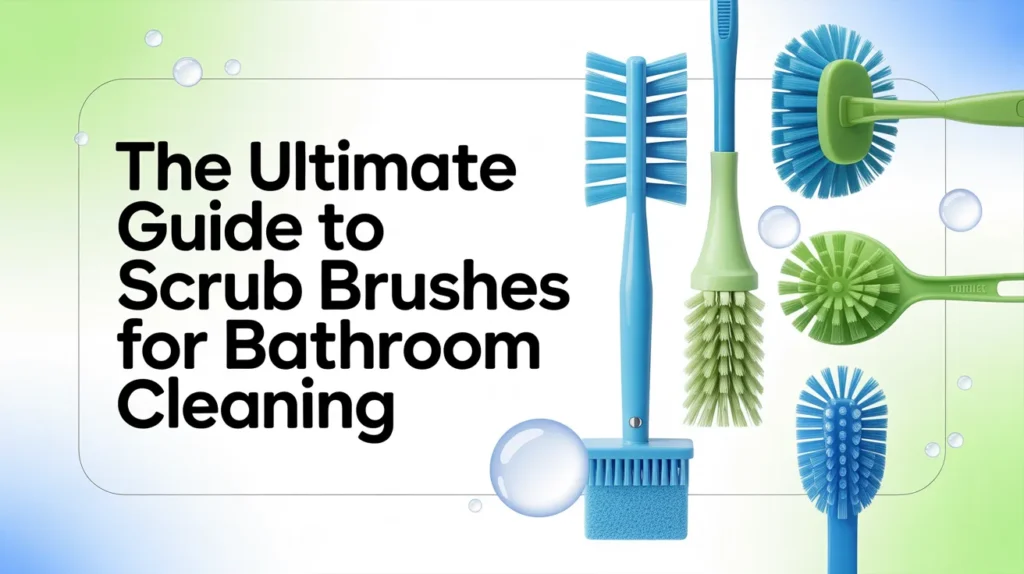
In The Ultimate Guide to Scrub Brushes for Bathroom Cleaning, we’ll explore everything you need to know about choosing, using, and maintaining scrub brushes. From understanding different brush types to learning the most effective cleaning techniques, this guide will help you achieve a sparkling bathroom with less effort.
Whether you’re tackling tough grout stains, cleaning delicate fixtures, or keeping your toilet spotless, the right scrub brush makes all the difference. By the end of this guide, you’ll know exactly which brushes to use and how to use them for the best results.
Table of Contents
What Are Scrub Brushes for Bathroom Cleaning?
Scrub brushes are essential cleaning tools designed to remove dirt, stains, soap scum, and grime from bathroom surfaces. In The Ultimate Guide to Electric Scrub Brushes for Bathroom Cleaning, these tools play a key role because they provide the scrubbing power that cloths and sponges often lack.
A scrub brush typically consists of a sturdy handle and firm bristles that help loosen and lift stubborn buildup from surfaces like tiles, grout, bathtubs, sinks, and toilets. They come in different shapes, sizes, and bristle strengths, making them suitable for a variety of bathroom cleaning tasks.
Why Scrub Brushes Are Important
Unlike soft cleaning tools, scrub brushes are designed for deep cleaning. Their bristles can reach into small spaces and textured surfaces, ensuring a more thorough clean.
Key benefits include:
- Removes tough stains and grime effectively
- Reaches into corners and grout lines
- Saves time and effort during cleaning
- Works well with most bathroom cleaning products
Scrub Brushes vs. Sponges and Cloths
While sponges and cloths are useful for light cleaning, they often struggle with stubborn dirt. Scrub brushes, on the other hand, are built for tougher jobs.
Main differences:
- Scrub brushes: Strong bristles for deep cleaning
- Sponges: Soft and better for gentle wiping
- Cloths: Ideal for drying and polishing surfaces
This is why, in The Ultimate Guide to Scrub Brushes for Bathroom Cleaning, scrub brushes are considered a must-have tool for maintaining a hygienic bathroom.
Where Scrub Brushes Are Used in the Bathroom
Scrub brushes can be used on multiple surfaces, including:
- Floor tiles and wall tiles
- Grout lines
- Bathtubs and showers
- Sinks and faucets
- Toilet bowls and rims
Using the right type of scrub brush for each surface ensures effective cleaning without causing damage.
Types of Scrub Brushes for Bathroom Cleaning
In The Ultimate Guide to Scrub Brushes for Bathroom Cleaning, understanding the different types of scrub brushes is essential for choosing the right tool for each task. Not all brushes are the same—each type is designed for specific surfaces and cleaning needs.
Using the correct scrub brush can make your bathroom cleaning faster, easier, and more effective.
Handheld Scrub Brushes
Handheld scrub brushes are the most common type used in bathrooms. They are compact, easy to hold, and ideal for everyday cleaning tasks.
Best for:
- Sinks and faucets
- Bathtubs
- Shower walls
Key features:
- Comfortable grip
- Medium to stiff bristles
- Good control for detailed scrubbing
Long-Handled Scrub Brushes
These brushes come with extended handles, allowing you to clean without bending or kneeling. They are perfect for larger surfaces.
Best for:
- Bathroom floors
- Shower floors
- Hard-to-reach areas
Key features:
- Long handle for better reach
- Reduces strain on your back
- Ideal for large cleaning areas
Drill-Powered Scrub Brushes
Drill-powered brushes attach to a standard drill and provide high-speed scrubbing. They are designed for deep cleaning and tough stains.
Best for:
- Removing stubborn grime
- Deep cleaning tiles and grout
- Heavy-duty bathroom cleaning
Key features:
- Saves time and effort
- Powerful cleaning action
- Multiple brush head options
Electric Spin Scrubbers
Electric scrubbers are battery-powered tools that spin automatically, making cleaning easier and less tiring.
Best for:
- Regular maintenance cleaning
- Bathtubs and showers
- People who want less manual effort
Key features:
- Rotating brush head
- Lightweight and easy to use
- Time-saving and efficient
Grout Brushes
Grout brushes are specially designed with narrow heads to clean between tiles where dirt and mold build up.
Best for:
- Grout lines
- Tight corners
- Small crevices
Key features:
- Slim design
- Stiff bristles
- Precise cleaning
Toilet Brushes
Toilet brushes are specifically designed for cleaning toilet bowls and rims. They usually come with a holder for hygienic storage.
Best for:
- Toilet bowls
- Under the rim
Key features:
- Curved brush head
- Durable bristles
- Hygienic storage container
How to Choose the Best Scrub Brush for Your Bathroom
Choosing the right tool is a crucial part of The Ultimate Guide to Electric Scrub Brushes for Bathroom Cleaning. With so many options available, selecting the best scrub brush depends on your cleaning needs, bathroom surfaces, and comfort.
A well-chosen scrub brush not only improves cleaning results but also saves time and effort.
1. Consider the Bristle Type
The bristles determine how effective and safe the brush will be on different surfaces.
- Soft bristles:
Best for delicate surfaces like glass, mirrors, and fixtures - Medium bristles:
Ideal for general cleaning like sinks, tubs, and tiles - Hard bristles:
Suitable for tough stains, grout, and heavily soiled areas
Tip: Using bristles that are too hard can scratch surfaces, so always match the brush to the task.
2. Check the Handle Design
A comfortable handle makes a big difference, especially during longer cleaning sessions.
- Look for handles designed to provide comfort and control while scrubbing.
- Choose non-slip grips for better control
- Consider long handles for floors and hard-to-reach areas
3. Match the Brush to the Surface
Different bathroom surfaces require different types of brushes.
- Tiles and grout: Stiff or narrow brushes
- Bathtubs and sinks: Medium bristles
- Glass and fixtures: Soft bristles
- Toilets: Dedicated toilet brush only
Using the wrong brush can either damage the surface or fail to clean properly.
4. Look at Durability and Material
A good scrub brush should last through multiple uses without losing its effectiveness.
- Choose brushes with strong, durable bristles
- Look for high-quality plastic or wooden handles
- Avoid brushes that shed bristles easily
5. Consider Ease of Cleaning and Maintenance
Your scrub brush should be easy to clean after use.
- Rinse easily without trapping dirt
- Quick-drying to prevent bacteria buildup
- Some brushes come with replaceable heads for better hygiene
6. Think About Your Budget
Scrub brushes come in a wide range of prices.
- Basic brushes are affordable and effective
- Electric or drill-powered brushes cost more but save time
- Investing in a quality brush can reduce the need for frequent replacements
Quick Checklist for Choosing the Right Scrub Brush
- Choose the correct bristle strength
- Ensure a comfortable grip
- Match the brush to the surface
- Pick durable materials
- Consider ease of cleaning
- Stay within your budget
Best Uses of Scrub Brushes in Bathroom Cleaning
In The Ultimate Guide to Electric Scrub Brushes for Bathroom Cleaning, knowing where and how to use scrub brushes is just as important as choosing the right one. These tools are versatile and can handle a wide range of bathroom cleaning tasks, from light maintenance to deep scrubbing.
Using the correct brush for each area ensures better results and prevents surface damage.
Cleaning Tiles and Grout
Bathroom tiles and grout lines often collect dirt, mold, and soap residue. Scrub brushes are perfect for breaking down this buildup.
Best approach:
- Use a stiff or grout brush for grout lines
- Coat the surface with cleaner and let it sit briefly to maximize effectiveness.
- Scrub in circular or back-and-forth motions
Result: Cleaner, brighter tiles and restored grout color
Scrubbing Bathtubs and Showers
Bathtubs and showers are prone to soap scum and hard water stains. A scrub brush helps remove these stubborn deposits effectively.
Best approach:
- Use a medium-bristle brush for most surfaces
- Focus on corners and edges where buildup collects
- Rinse thoroughly after scrubbing
Result: A smooth, clean, and residue-free surface
Cleaning Sinks and Faucets
Sinks and faucets need regular cleaning to remove toothpaste, soap residue, and water spots.
Best approach:
- Use a soft or medium brush
- Gently scrub around the faucet base and drain
- Avoid harsh scrubbing on delicate finishes
Result: Shiny and spotless sink areas
Toilet Cleaning
Scrub brushes are essential for maintaining a hygienic toilet. A dedicated toilet brush ensures proper sanitation.
Best approach:
- Use a toilet brush for the bowl and under the rim
- Apply toilet cleaner before scrubbing
- Clean regularly to prevent buildup
Result: A clean, fresh, and hygienic toilet
Removing Mold and Mildew
Bathrooms are humid environments, making them prone to mold and mildew growth. Scrub brushes help remove these effectively.
Best approach:
- Use a stiff brush for affected areas
- Apply a mold-removing cleaner
- Scrub thoroughly and rinse well
Result: A healthier and cleaner bathroom environment
Cleaning Bathroom Floors
Bathroom floors can collect dirt, hair, and grime over time. Long-handled scrub brushes make floor cleaning easier.
Best approach:
- Use a long-handled brush
- Scrub in sections for better control
- Rinse or mop after scrubbing
Result: Clean and slip-free floors
Step-by-Step Guide: How to Use a Scrub Brush Effectively
In The Ultimate Guide to Electric Scrub Brushes for Bathroom Cleaning, using the right technique is just as important as choosing the right brush. Proper use ensures better cleaning results while protecting your bathroom surfaces from damage.
Follow this simple step-by-step process to clean your bathroom effectively with a scrub brush.
Step 1: Prepare the Cleaning Solution
Start by choosing a suitable bathroom cleaner based on the surface you are cleaning.
- Use a tile cleaner for floors and walls
- Use a mild cleaner for sinks and tubs
- Use a disinfectant for toilets
Tip: You can also use natural solutions like vinegar and water for light cleaning.
Step 2: Apply the Cleaner to the Surface
Spray or apply the cleaning solution directly onto the surface.
- Make sure the area is evenly covered
- Focus on areas with visible stains or buildup
Tip: Avoid applying too much cleaner, as it can be harder to rinse off.
Step 3: Let the Cleaner Sit
Allow the cleaner to sit for a few minutes before scrubbing.
- Helps loosen dirt, grime, and soap scum
- Reduces the effort needed for scrubbing
Tip: Follow the instructions on the cleaning product label.
Step 4: Scrub with the Appropriate Brush
Use the correct scrub brush based on the surface.
- Apply moderate pressure
- Use circular or back-and-forth motions
- Focus on corners, grout lines, and edges
Tip: Do not scrub too hard on delicate surfaces to avoid scratches.
Step 5: Rinse Thoroughly
After scrubbing, rinse the surface with clean water.
- Removes dirt and leftover cleaning solution
- Prevents residue buildup
Step 6: Dry the Surface
Use a clean cloth or towel to dry the area.
- Prevents water spots and streaks
- Helps maintain a polished look
Step 7: Clean the Scrub Brush
After finishing, clean your scrub brush to keep it hygienic.
- Rinse under running water
- Remove trapped debris
- Let it air dry completely
Pro Tips for Better Results
- Work from top to bottom to avoid re-cleaning areas
- Clean regularly to prevent heavy buildup
- Use separate brushes for different areas (especially toilet vs sink)
Common Mistakes to Avoid When Using Scrub Brushes
In The Ultimate Guide to Electric Scrub Brushes for Bathroom Cleaning, avoiding common mistakes is key to getting the best results. Even with the right tools, improper use can reduce effectiveness and even damage your bathroom surfaces.
Mistakes people often make—and the best ways to prevent them.
Using the Wrong Bristle Type
Not all scrub brushes are suitable for every surface.
- Hard bristles can scratch delicate surfaces like glass or fixtures
- Soft bristles may not remove tough stains on grout
Solution: Always match the bristle strength to the surface you are cleaning.
Applying Too Much Pressure
Scrubbing harder doesn’t always mean cleaning better.
- Can damage tiles, grout, or finishes
- Wears out the brush faster
Solution: Use moderate pressure and let the cleaner and bristles do the work.
Not Letting the Cleaner Sit
Many people start scrubbing immediately after applying cleaner.
- Reduces the effectiveness of the cleaning solution
- Requires more effort to remove stains
Solution: Let the cleaner sit for a few minutes to loosen dirt before scrubbing.
Using One Brush for All Areas
Using the same brush for different parts of the bathroom is unhygienic.
- Can spread bacteria (especially from the toilet)
- Reduces cleaning efficiency
Solution: Use separate brushes for:
- Toilet
- Sink and tub
- Floors and grout
Ignoring Delicate Surfaces
Some bathroom surfaces require extra care.
- Glass, mirrors, and chrome can get scratched
- Harsh scrubbing can damage finishes
Solution: Use soft brushes or alternative tools for delicate areas.
Not Cleaning the Scrub Brush After Use
A dirty brush can spread bacteria instead of removing it.
- Traps dirt, grime, and germs
- Causes unpleasant odors
Solution: Rinse thoroughly after each use and allow it to dry completely.
Using Worn-Out Brushes
Old brushes lose their effectiveness over time.
- Bent or frayed bristles don’t clean properly
- Can make cleaning more difficult
Solution: Replace your scrub brush regularly for best results.
Quick Summary of Mistakes to Avoid
- Wrong bristle type
- Too much pressure
- Skipping dwell time
- Using one brush everywhere
- Ignoring delicate surfaces
- Not cleaning the brush
- Using worn-out brushes
How to Clean and Maintain Your Scrub Brushes
In The Ultimate Guide to Electric Scrub Brushes for Bathroom Cleaning, proper maintenance is essential to keep your brushes effective and hygienic. A well-maintained scrub brush not only lasts longer but also ensures you’re not spreading dirt and bacteria while cleaning.
Follow these simple steps to keep your scrub brushes in top condition.
Rinse After Every Use
After each cleaning session, rinse your scrub brush thoroughly under running water.
- Removes dirt, soap, and cleaning residue
- Prevents buildup in the bristles
Tip: Shake off excess water to speed up drying.
Disinfect Regularly
Scrub brushes can harbor bacteria, especially after cleaning toilets or heavily soiled areas.
- Soak the brush in a disinfectant solution
- You can use diluted bleach or a disinfecting cleaner
- Allow a short dwell time for the cleaner, then wash it off completely.
Tip: Disinfect at least once a week for regular use.
Dry Properly
Moisture can lead to bacteria growth and unpleasant odors.
- Let the brush air dry completely
- Store it in a well-ventilated area
- Avoid keeping it in closed, damp containers
Tip: Hang the brush or place it bristle-side down for better airflow.
Remove Trapped Debris
Hair and dirt can get stuck in the bristles over time.
- Use your hands (with gloves) or another tool to remove debris
- Rinse again after cleaning
Store Brushes Separately
For hygiene reasons, avoid storing all brushes together.
- Keep toilet brushes separate from other cleaning brushes
- Use holders or containers for organisation
Replace When Necessary
Even with proper care, scrub brushes don’t last forever.
Signs it’s time to replace:
- Bent or frayed bristles
- Persistent odor
- Reduced cleaning effectiveness
Tip: Replace regularly to maintain cleaning efficiency.
Quick Maintenance Checklist
- Rinse after every use
- Disinfect weekly
- Dry completely
- Remove trapped debris
- Store properly
- Replace when worn out
Top Features to Look for in High-Quality Scrub Brushes
In The Ultimate Guide to Electric Scrub Brushes for Bathroom Cleaning, choosing a high-quality brush can make a big difference in your cleaning routine. A well-designed scrub brush not only improves cleaning efficiency but also lasts longer and feels more comfortable to use.
Here are the most important features to consider when buying a scrub brush.
Ergonomic Design
A good scrub brush should be comfortable to hold, especially during longer cleaning sessions.
- Designed to fit naturally in your hand
- Reduces strain on your wrist and fingers
- Provides better control while scrubbing
Why it matters: Comfort helps you clean more effectively without fatigue.
Non-Slip Handle
Bathroom cleaning often involves water and cleaning solutions, making surfaces slippery.
- Rubberized or textured grips
- Prevents slipping during use
- Improves safety and control
Why it matters: A secure grip reduces the risk of accidents and improves precision.
Durable Bristles
The quality of bristles directly affects cleaning performance.
- Strong bristles that don’t bend easily
- Maintain shape after repeated use
- Suitable for different cleaning tasks
Why it matters: Durable bristles ensure consistent and effective cleaning over time.
Replaceable Brush Heads
Some modern scrub brushes come with detachable or replaceable heads.
- Easy to swap out worn heads
- More hygienic than using the same brush for too long
- Cost-effective in the long run
Why it matters: Extends the life of your cleaning tool and maintains hygiene.
Multi-Purpose Functionality
Versatile brushes can be used on different surfaces, making them more practical.
- Suitable for tiles, tubs, sinks, and floors
- Some include interchangeable attachments
- Reduces the need for multiple tools
Why it matters: Saves money and storage space.
Sturdy Build Quality
A high-quality scrub brush should feel solid and well-made.
- Strong handle that doesn’t bend or break
- Secure bristle attachment
- Resistant to water damage
Why it matters: A sturdy brush lasts longer and performs better under pressure.
Easy to Clean and Maintain
A good scrub brush should be simple to keep clean after use.
- Doesn’t trap dirt easily
- Rinses quickly
- Dries fast to prevent bacteria buildup
Why it matters: Helps maintain hygiene and extends the brush’s lifespan.
Quick Feature Checklist
- Ergonomic design
- Non-slip handle
- Durable bristles
- Replaceable heads
- Multi-purpose use
- Sturdy construction
- Easy maintenance
Are Scrub Brushes Better Than Other Cleaning Tools?
In The Ultimate Guide to Electric Scrub Brushes for Bathroom Cleaning, one common question is whether scrub brushes are actually better than other cleaning tools like sponges, cloths, or mops. The answer depends on the type of cleaning task—but in many cases, scrub brushes offer clear advantages.
Let’s compare them to help you understand when and why to use each tool.
Scrub Brushes vs. Sponges
Sponges are soft and flexible, making them suitable for light cleaning. However, they often struggle with tough grime.
Scrub Brushes:
- Strong bristles for deep cleaning
- Effective on stubborn stains and grout
- More durable over time
Sponges:
- Gentle on delicate surfaces
- Good for wiping and light cleaning
- Can wear out quickly
Verdict:
Scrub brushes are better for deep cleaning, while sponges are ideal for gentle tasks.
Scrub Brushes vs. Cleaning Cloths
Cleaning cloths are mainly used for wiping and drying surfaces rather than scrubbing.
Scrub Brushes:
- Designed to remove dirt and buildup
- Reaches into textured surfaces
Cloths:
- Best for polishing and drying
- Not effective for heavy scrubbing
Verdict:
Scrub brushes handle tough cleaning, while cloths are better for finishing touches.
Scrub Brushes vs. Mops
Mops are commonly used for cleaning floors, but they are not designed for detailed scrubbing.
Scrub Brushes:
- Ideal for targeted cleaning
- Great for corners and grout lines
Mops:
- Suitable for large floor areas
- Quick for general cleaning
Verdict:
Use scrub brushes for detailed work and mops for large surface cleaning.
Pros and Cons of Scrub Brushes
Pros
- Excellent for removing tough stains
- Works well on multiple surfaces
- Durable and long-lasting
- Provides deep cleaning results
Cons
- Can be too harsh for delicate surfaces
- Requires more effort than automated tools
- Needs proper maintenance to stay hygienic
When Should You Use a Scrub Brush?
Scrub brushes are the best choice when:
- You are dealing with stubborn stains or buildup
- Cleaning grout lines or textured surfaces
- Deep cleaning bathrooms and high-use areas
When Other Tools May Be Better
Consider other tools when:
- Cleaning delicate surfaces like glass or mirrors
- Wiping or drying surfaces
- Cleaning large areas quickly with minimal effort
Final Verdict
Scrub brushes are one of the most effective tools for deep bathroom cleaning. While they may not replace every cleaning tool, they are essential for tackling tough dirt and maintaining a hygienic space.
That’s why, in The Ultimate Guide to Scrub Brushes for Bathroom Cleaning, they are considered a must-have for any cleaning routine.
Eco-Friendly and Sustainable Scrub Brush Options
In The Ultimate Guide to Electric Scrub Brushes for Bathroom Cleaning, sustainability is becoming an important factor for many homeowners. Choosing eco-friendly scrub brushes helps reduce plastic waste and supports a greener cleaning routine without sacrificing effectiveness.
Here are the top options and features to look for when selecting sustainable brushes.
Bamboo Handle Brushes
Bamboo is a renewable, biodegradable material that is strong and durable.
- Handles are lightweight and sturdy
- Naturally resistant to water damage
- Bristles can be made from plant-based or recycled materials
Why it matters: Bamboo brushes reduce plastic usage while providing the same cleaning performance as conventional brushes.
Recyclable Plastic Brushes
Some scrub brushes are made from recycled or recyclable plastics.
- Bristles and handles can be recycled after use
- Durable enough for regular cleaning
- Often competitively priced
Why it matters: These brushes extend the lifecycle of plastics and reduce environmental impact.
Long-Lasting Designs
Durability is an important aspect of sustainability. A brush that lasts longer reduces the need for frequent replacements.
- Stiff, long-lasting bristles
- Replaceable heads for continued use
- Robust handles to withstand heavy cleaning
Why it matters: Fewer replacements mean less waste and lower cost over time.
Plant-Based Bristles
Some eco-friendly brushes use bristles made from natural fibers like coconut husk, tampico, or boar hair.
- Biodegradable and safe for the environment
- Effective for scrubbing tough surfaces
- Gentle enough for delicate areas
Why it matters: Natural bristles are a sustainable alternative to nylon and other synthetic fibers.
Tips for Choosing an Eco-Friendly Brush
- Look for brushes with bamboo or recycled handles
- Choose bristles made from plant-based or recycled materials
- Prefer brushes with replaceable heads
- Avoid brushes that will wear out quickly
FAQs
In The Ultimate Guide to Electric Scrub Brushes for Bathroom Cleaning, answering common questions helps readers make informed decisions and improves SEO by targeting long-tail queries. Here are the most frequently asked questions about bathroom scrub brushes.
What type of scrub brush is best for bathroom tiles?
For tiles, a medium to stiff-bristle brush works best. Use a grout brush for narrow grout lines to remove dirt and mold effectively.
Can scrub brushes damage bathroom surfaces?
Yes, using the wrong brush or applying too much pressure can scratch delicate surfaces like glass, mirrors, or polished fixtures. Always match the bristle type to the surface.
How do you know it’s time to get a new scrub brush?
Replace your brush when:
- Bristles are bent or frayed
- The brush develops a persistent odor
- Cleaning performance decreases
Typically, every 6–12 months for regular-use brushes.
Can I use the same brush for the toilet and sink?
No. Using one brush for all areas can spread bacteria. Keep separate brushes for toilets, sinks, tubs, and floors.
Are electric scrub brushes worth it?
Electric scrub brushes save time and reduce physical effort. They’re especially useful for large bathrooms or stubborn stains, but manual brushes are still effective for smaller tasks and precise cleaning.
How do I prevent mold and mildew in grout?
- Clean regularly with a scrub brush
- Use mold-resistant cleaning solutions
- Ensure proper ventilation in the bathroom
- Dry surfaces after cleaning
What is the best natural alternative to chemical cleaners?
- Vinegar and water solution works well for light cleaning
- Baking soda paste helps remove tough stains
- Combine with a scrub brush for better results
Conclusion
In The Ultimate Guide to Electric Scrub Brushes for Bathroom Cleaning, we’ve explored everything you need to know about selecting, using, and maintaining scrub brushes. From understanding different brush types to choosing the right bristle strength and cleaning techniques, a well-chosen scrub brush makes bathroom cleaning faster, more effective, and hygienic.
Key Takeaways:
- Match the brush type and bristle strength to your surfaces
- Use proper cleaning techniques to protect your bathroom
- Maintain and replace brushes regularly for hygiene and efficiency
- Consider eco-friendly options for a sustainable cleaning routine
By following these guidelines, you can keep your bathroom sparkling clean while saving time and effort.
Bonus: Pro Tips for Faster Bathroom Cleaning
Even with the right scrub brushes, cleaning your bathroom can feel like a chore. These pro tips from The Ultimate Guide to Electric Scrub Brushes for Bathroom Cleaning will help you clean more efficiently, save time, and get better results.
Use Warm Water
Warm water helps loosen soap scum, grime, and hard water deposits, making scrubbing easier.
Tip: Pair warm water with your cleaning solution for faster results.
Let the Cleaner Sit
Allow the cleaning solution to sit on surfaces for a few minutes before scrubbing.
Why it helps: It softens buildup, reducing the effort needed to scrub.
Clean from Top to Bottom
Start with walls, tiles, and high surfaces before moving to sinks, tubs, and floors.
Why it helps: Dirt and water will naturally fall downward, so you avoid re-cleaning areas.
Separate Brushes for Hygiene
Use different brushes for toilets, sinks, tubs, and floors.
Why it helps: Prevents cross-contamination and ensures a cleaner, healthier bathroom.
Maintain Your Brushes Regularly
Clean and dry brushes after each use, and replace worn brushes promptly.
Why it helps: Well-maintained brushes work better and last longer, making cleaning faster and easier.
Use the Right Brush for Each Task
- Grout brushes for grout lines
- Medium brushes for tubs and sinks
- Soft brushes for delicate surfaces
Why it helps: Using the correct brush reduces effort and protects surfaces from damage.
Keep Cleaning Supplies Accessible
Store brushes, cleaners, and cloths in a convenient location so you don’t waste time searching for them.
Why it helps: Makes quick cleanups easier and encourages regular maintenance.