Introduction
Hardwood floors add warmth and elegance to any home, but they require more care than simple sweeping or occasional mopping. Over time, dust, dirt, spills, and grime can settle into cracks and dull the natural shine, making even well-maintained floors look worn.
Deep cleaning hardwood floors goes beyond regular maintenance. It removes stubborn buildup, restores the floor’s original beauty, and helps prevent long-term damage. In this guide, you’ll learn the best techniques, tools, and tips for safe and effective deep cleaning so your hardwood floors stay healthy, clean, and beautiful year-round.
Table of Contents
What Is Deep Cleaning Hardwood Floors
Deep cleaning hardwood floors is a thorough cleaning process that goes beyond regular sweeping or light mopping. While daily or weekly cleaning removes surface dust and loose dirt, deep cleaning targets embedded grime, sticky residue, and buildup that slowly dulls the natural beauty of hardwood floors over time.
This type of cleaning is especially important in high-traffic areas where dirt, oils, and moisture settle into tiny gaps and along floor edges. Without deep cleaning, hardwood floors can start to look worn, lose their shine, and even suffer long-term damage.
How Deep Cleaning Hardwood Floors Is Different from Regular Cleaning
Regular cleaning usually involves sweeping, vacuuming, or using a lightly damp mop. These steps are essential for maintenance, but they do not fully remove stubborn dirt or residue left behind by spills, shoes, or improper cleaners.
Deep cleaning hardwood floors focuses on:
- Removing built-up grime from corners and seams
- Eliminating sticky residue caused by cleaners or spills
- Restoring the floor’s natural color and finish
- Improving overall hygiene and air quality indoors
Why Deep Cleaning Hardwood Floors Matters
Over time, fine dust and debris can scratch the surface of hardwood floors, while moisture and oils can damage the finish. Deep cleaning helps protect the floor by removing harmful particles before they cause permanent issues.
The key benefits of deep cleaning hardwood floors include:
- Longer floor lifespan
- Better appearance and shine
- Reduced allergens and bacteria
- A cleaner, healthier home environment
When Deep Cleaning Hardwood Floors Is Necessary
Deep cleaning is usually needed when hardwood floors:
- Look dull even after mopping
- Feel sticky or greasy underfoot
- Show dark patches or stains
- Have not been deep cleaned for several months
In short, deep cleaning hardwood floors is an essential part of proper floor care. It keeps hardwood surfaces clean, protected, and visually appealing while preventing damage that regular cleaning alone cannot fix.
Signs Your Hardwood Floors Need Deep Cleaning
Even with regular sweeping and mopping, hardwood floors slowly collect dirt and residue that normal cleaning can’t remove. Recognizing the early signs helps you know when deep cleaning hardwood floors is necessary to restore their appearance and protect the finish.
1. Dull or Faded Appearance
One of the most common signs is a lack of shine. If your floor looks flat or cloudy even after mopping, it usually means grime and residue have built up on the surface. This buildup blocks the natural sheen of the wood and signals the need for deep cleaning hardwood floors.
2. Sticky or Greasy Feeling Underfoot
Hardwood floors should feel smooth and clean. A sticky or greasy texture often comes from leftover cleaning products, spills, or oils tracked in from shoes. Deep cleaning removes this residue and restores a clean, natural finish.
3. Dark Spots and Stains
Spills, pet accidents, and moisture can cause dark stains if not properly cleaned. When stains remain after regular cleaning, it’s a clear sign that deep cleaning hardwood floors is needed to safely lift dirt without damaging the wood.
4. Dirty Corners and Floor Edges
Dirt often gathers along baseboards, in corners, and between floorboards. These areas are easy to miss during routine cleaning but become noticeable over time. Deep cleaning focuses on these hidden spots to fully refresh the floor.
5. Increased Dust or Allergy Symptoms
If your home feels dusty shortly after cleaning or allergies worsen indoors, your floors may be trapping fine particles. Deep cleaning helps remove allergens stuck in small cracks and seams, improving indoor air quality.
Things to Do Before Deep Cleaning Hardwood Floors
Proper preparation is an important step in deep cleaning hardwood floors. Taking a little time to get ready helps prevent damage, improves cleaning results, and makes the process faster and safer.
1. Remove Furniture, Rugs, and Mats
Start by clearing the area completely. Move furniture, rugs, and floor mats out of the room so every part of the floor can be cleaned evenly. This also prevents water or cleaner from getting trapped under heavy items during deep cleaning hardwood floors.
2. Sweep or Vacuum Thoroughly
Before using any liquid cleaner, remove loose dirt and dust. Use a soft-bristle broom or a vacuum designed for hardwood floors. Skipping this step can cause dirt to scratch the surface when mopping.
3. Check the Floor Finish and Condition
Not all hardwood floors are the same. Some have a protective finish, while others may be older or more delicate. Check for scratches, cracks, or worn areas before deep cleaning. This helps you choose the safest cleaning method and avoid further damage.
4. Read Manufacturer or Installer Guidelines
If available, review the manufacturer’s cleaning recommendations. Certain finishes may require specific products or techniques. Following these guidelines ensures deep cleaning hardwood floors does not void warranties or harm the surface.
5. Test Cleaning Solutions on a Small Area
Always test your cleaning solution on a hidden spot, such as under furniture or in a corner. This step confirms the cleaner will not discolour or damage the wood during deep cleaning.
Best Methods for Deep Cleaning Hardwood Floors
Many homeowners prefer natural cleaning methods because they are mild, budget-friendly, and safe for most sealed hardwood floors. These solutions help break down dirt and buildup without leaving harmful residues behind.
Popular natural cleaning choices include:
- A lightly diluted vinegar and water mixture (used sparingly)
- Warm water with just a touch of mild, non-abrasive dish soap
- Microfiber mops that trap dust and debris without scratching the surface
When using any natural cleaner, make sure the mop is only slightly damp. Excess moisture can penetrate the wood and lead to swelling or warping while deep cleaning hardwood floors.
Using Store-Bought Cleaners for Deep Cleaning Hardwood Floors
Commercial hardwood floor cleaners are specially formulated to remove tough dirt while protecting the floor’s finish. They are especially useful for floors with heavy buildup or areas that experience frequent foot traffic.
When choosing a commercial cleaner:
- Look for products clearly marked as safe for hardwood floors
- Stay away from harsh chemicals and overpowering scents
- Always follow the usage directions provided by the manufacturer
Apply the cleaner with a microfiber mop and clean small sections at a time to manage moisture levels. This approach helps achieve effective deep cleaning hardwood floors without streaks or leftover residue.
Cleaning Methods to Avoid
Certain cleaning techniques can cause permanent damage to hardwood floors and should never be used:
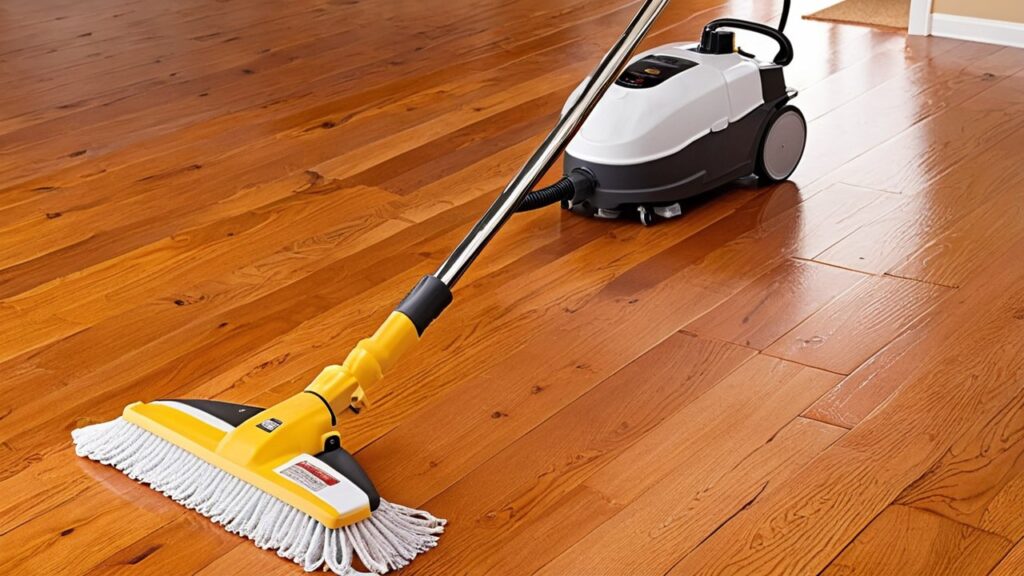
- Steam cleaners
- Flooding or soaking the floor with water
- Rough scrubbers or steel wool
- Wax or polish applied without confirming floor compatibility
Avoiding these practices helps preserve the floor’s finish and keeps deep cleaning hardwood floors both safe and effective.
Step-by-Step Guide to Deep Cleaning Hardwood Floors at Home
Following a structured method makes deep cleaning hardwood floors more efficient while reducing the risk of damage. These steps are suitable for most sealed hardwood surfaces.
Step 1: Clear Away Dust and Debris
Start by sweeping or vacuuming using tools designed for hardwood floors. This removes loose dirt and grit that could scratch the surface during mopping. Pay extra attention to edges and corners where debris often gathers.
Step 2: Mix the Cleaning Solution
Select a hardwood-approved cleaner, either natural or commercial. Prepare the solution according to the directions, using only a small amount. The goal is to clean thoroughly without oversaturating the wood.
Step 3: Mop with Light Moisture
Saturate the mop in the solution, then wring it out well so it feels barely moist to the touch. Clean along the direction of the wood grain to remove dirt efficiently and avoid streaks.
Work section by section to maintain better moisture control and consistent results.
Step 4: Treat Tough Spots Carefully
For stubborn marks or sticky areas, gently rub the spot with a soft cloth or mop. Do not use abrasive tools, as they can damage the finish. This step is essential for deep cleaning hardwood floors safely.
Step 5: Dry the Surface Completely
Let the floor air dry or wipe it with a dry microfiber cloth to remove any remaining moisture. Proper drying helps prevent water damage and ensures a clean, streak-free finish.
Common Errors to Avoid When Deep Cleaning Hardwood Floors
Even small mistakes can lead to serious floor damage. Avoid these common problems to protect your hardwood floors during deep cleaning.
1. Using Excess Water
Too much water can seep into the wood, causing swelling, warping, or discoloration. Always use a damp mop—not a soaking wet one—when deep cleaning hardwood floors.
2. Steam Cleaning
Steam may loosen dirt quickly, but the heat and moisture can weaken the floor’s protective coating and force water into the wood. Steam cleaning should be completely avoided.
3. Harsh or Abrasive Products
Bleach, strong chemicals, and rough cleaning tools can strip finishes and scratch the surface. These products reduce the lifespan of hardwood floors.
4. Skipping Proper Drying
Leaving moisture behind can cause streaks and long-term damage. Drying the floor is a critical final step in deep cleaning hardwood floors.
5. Ignoring the Floor Finish
Different hardwood floors have different finishes. Cleaning without knowing the type of finish can cause harm. Always tailor your cleaning method to the floor’s condition.
How Often Should You Deep Clean Hardwood Floors?
The frequency of deep cleaning hardwood floors depends on foot traffic, lifestyle, and environmental factors. While regular sweeping and light mopping should be done weekly, deep cleaning follows a different schedule.
Low-Traffic Areas
Rooms such as guest bedrooms or formal living areas experience less use. In these spaces, deep cleaning hardwood floors is usually needed every 4 to 6 months to remove hidden dust and maintain the finish.
High-Traffic Areas
Hallways, kitchens, and living rooms collect dirt much faster. Shoes, spills, and constant movement cause buildup that regular cleaning can’t handle. These areas should be deep cleaned every 2 to 3 months.
Homes with Pets or Children
Pet hair, accidents, and food spills increase the need for deeper cleaning. In such homes, deep cleaning hardwood floors every 1 to 2 months helps keep floors hygienic and protected.
Seasonal Deep Cleaning
Many homeowners prefer deep cleaning hardwood floors during seasonal transitions, such as spring or before winter. Seasonal cleaning removes accumulated grime and prepares the floors for changes in humidity.
Tips to Maintain Hardwood Floors After Deep Cleaning
Once deep cleaning hardwood floors is complete, proper maintenance helps preserve the results and keeps the floors looking fresh for longer. Simple daily and weekly habits can prevent dirt buildup and reduce the need for frequent deep cleaning.
1. Sweep or Dust Daily
Dust, sand, and small debris can scratch the surface of hardwood floors. Using a soft broom or microfiber dust mop daily helps protect the finish and maintain cleanliness after deep cleaning.
2. Use Mats and Rugs in High-Traffic Areas
Place mats near entrances and rugs in busy areas to trap dirt and moisture before it reaches the floor. This step significantly reduces wear and tear and supports long-lasting results from deep cleaning hardwood floors.
3. Clean Spills Immediately
Spills should never be left on hardwood floors. Wipe them up right away with a dry or slightly damp cloth to prevent stains and moisture damage.
4. Avoid Shoes with Hard Soles Indoors
Shoes with hard or rough soles can scratch the floor. Encouraging a no-shoes policy indoors helps protect the surface and maintain the smooth finish achieved through deep cleaning hardwood floors.
5. Use the Right Cleaning Products
Always use cleaners specifically designed for hardwood floors. Avoid harsh chemicals, excessive water, or homemade solutions that may damage the finish over time.
6. Schedule Regular Light Cleaning
Weekly sweeping and light damp mopping prevent grime from building up again. This routine reduces the need for frequent deep cleaning hardwood floors and extends the life of the wood.
Professional Deep Cleaning Hardwood Floors: Is It Worth It?
While many homeowners choose DIY methods, professional services can also be an effective option for deep cleaning hardwood floors, especially when floors are heavily soiled or poorly maintained.
When Professional Deep Cleaning Makes Sense
Hiring professionals may be the right choice if:
- Floors have deep stains or heavy grime buildup
- Scratches and dullness remain after DIY cleaning
- The hardwood finish is old or worn
- Large areas need deep cleaning quickly
Professionals use specialized tools and hardwood-safe solutions that clean deeply without damaging the surface.
Benefits of Professional Deep Cleaning Hardwood Floors
Professional services offer several advantages:
- Deeper and more even cleaning
- Reduced risk of water or chemical damage
- Time-saving and convenient
- Improved floor appearance
For older floors, professional deep cleaning hardwood floors can noticeably restore shine and color.
DIY vs Professional Deep Cleaning
DIY deep cleaning works well for regular maintenance and light buildup. However, professional cleaning is often more effective for neglected floors or high-traffic commercial areas.
Choosing between DIY and professional deep cleaning hardwood floors depends on floor condition, budget, and available time.
FAQs
Answering common questions helps homeowners understand the process and ensures your blog ranks for related search queries around deep cleaning hardwood floors.
What is the safest way to deep clean hardwood floors?
The safest method is using a damp microfiber mop with a hardwood-safe cleaner—either natural (like a mild vinegar solution) or commercial. Always avoid excess water, steam cleaners, or abrasive tools to prevent damage.
Can I deep clean hardwood floors with vinegar?
Yes, a diluted vinegar solution is safe for sealed hardwood floors if used correctly. Mix about ½ cup of white vinegar per gallon of warm water, lightly damp mop, and dry immediately. Avoid overuse, as strong acids can dull the finish over time.
Is steam mopping safe for hardwood floors?
No. Steam cleaners introduce too much moisture and heat, which can warp or damage hardwood floors. Stick to damp mopping and soft cleaning tools for safe deep cleaning hardwood floors.
How long does deep cleaning hardwood floors take?
Depending on the room size and floor condition, deep cleaning can take 1–3 hours. This includes dust removal, mopping, spot cleaning, and drying time.
How often should I deep clean hardwood floors?
Most homes benefit from deep cleaning every 2–6 months. High-traffic areas, homes with pets, or children may need it every 1–2 months. Regular maintenance between sessions keeps floors in top condition.
Conclusion
Maintaining clean, shiny hardwood floors requires more than just sweeping or light mopping. Deep cleaning hardwood floors removes built-up dirt, grime, and residue, restores their natural beauty, and protects the wood from damage.
By following the right preparation, methods, and maintenance tips outlined in this guide, homeowners can achieve professional-level results at home while extending the life of their floors. Whether you choose to tackle it yourself or hire professionals, regular deep cleaning ensures your hardwood floors remain healthy, beautiful, and a standout feature of your home.