Introduction
A clean bathroom floor is essential for both hygiene and safety. Bathrooms are one of the most frequently used spaces in any home, and they are constantly exposed to moisture, soap scum, and germs. Without regular cleaning, these elements can build up, causing unpleasant odors, slippery surfaces, and even mold growth.
One of the easiest and most effective ways to maintain a spotless bathroom is to mop bathroom floor regularly. Mopping removes dirt, bacteria, and grime that sweeping alone cannot handle, leaving your floor fresh, safe, and visually appealing.
In this guide, we’ll show you everything you need to know to mop bathroom floor properly—from choosing the right tools and cleaners to step-by-step techniques, tips, and common mistakes to avoid. With these simple practices, keeping your bathroom floor clean and hygienic becomes easy and stress-free.
Table of Contents
Why You Should Mop Bathroom Floor Regularly
Mopping your bathroom floor regularly is essential for maintaining a clean, healthy, and safe space. Because bathrooms are constantly exposed to moisture, they can quickly become a breeding ground for germs, mold, and unpleasant odors. When you mop bathroom floor on a routine basis, you reduce these risks and keep the area fresh and hygienic.
One of the main reasons to mop bathroom floor frequently is germ and bacteria control. Water splashes from sinks, showers, and toilets spread bacteria across the floor. Over time, these germs multiply and can cause unpleasant smells and potential health issues. Regular mopping removes bacteria and helps maintain proper bathroom hygiene.
Another important reason to mop bathroom floor often is mold and mildew prevention. Damp bathroom floors, especially around corners and grout lines, create the perfect environment for mold growth. If left uncleaned, mold can spread quickly and become difficult to remove. Mopping with a suitable cleaner helps control moisture and prevents mold from forming.
Mopping also helps remove soap residue, hair, and grime that sweeping alone cannot handle. Soap scum and shampoo residue build up over time, making the floor look dull and feel sticky. When you mop bathroom floor properly, you break down this residue and restore a clean, non-slip surface.
Safety is another key benefit. Wet or dirty bathroom floors can become slippery, increasing the risk of falls. Regular mopping removes slippery buildup and keeps the floor safer for daily use, especially in households with children or elderly family members.
Finally, regular mopping helps extend the life of your bathroom flooring. Dirt and moisture can slowly damage tiles, grout, and vinyl surfaces. By taking time to mop bathroom floor consistently, you protect the material, prevent stains, and maintain its appearance for years to come.
What You Need to Mop Bathroom Floor Properly
To mop bathroom floor effectively, using the right tools and supplies is just as important as the cleaning method. Proper equipment helps remove dirt, germs, and moisture more efficiently while protecting your bathroom flooring from damage.
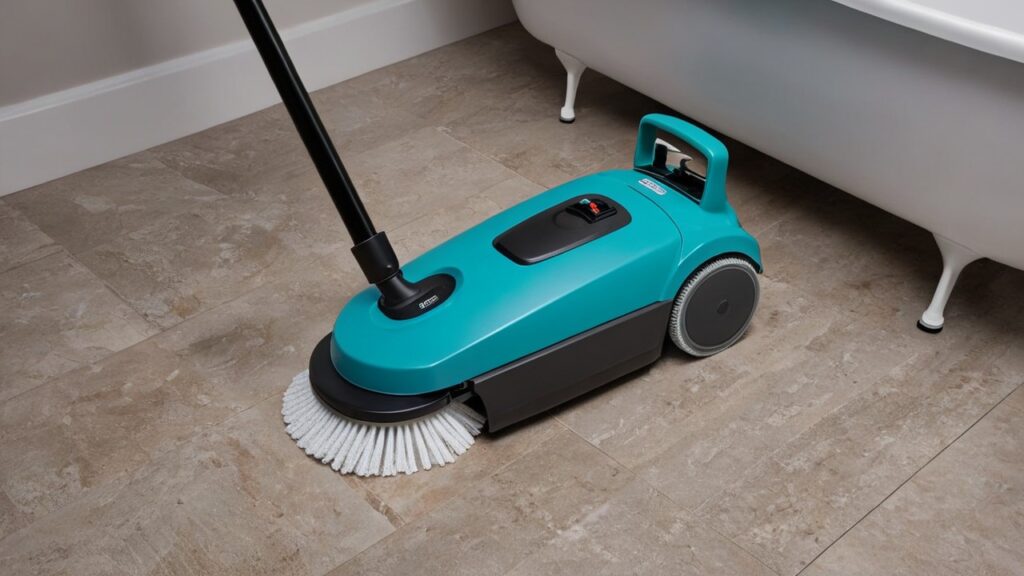
First, you need a suitable mop. Microfiber mops are one of the best options because they absorb water well and pick up fine dirt, hair, and bacteria. Sponge mops are also useful for bathroom floors, especially for tiles and grout lines. If convenience matters, a spray mop can work well for quick and regular cleaning.
Next, you’ll need a bucket or spray system. A bucket allows you to control water and cleaner dilution, which is important because using too much water can damage grout and make floors slippery. If you prefer less water usage, a spray mop with a refillable bottle is a good alternative.
A bathroom floor cleaner is another essential item. Choose a cleaner designed for bathroom surfaces that can break down soap scum and kill germs. Make sure the cleaner is safe for your floor type, whether it’s ceramic tile, vinyl, or natural stone. Using the right product ensures you mop bathroom floor thoroughly without leaving residue.
Before mopping, it’s important to have a broom or vacuum. Loose dirt, hair, and dust should always be removed first. This step prevents debris from spreading around when you mop bathroom floor and helps achieve better results.
Optional but helpful items include rubber gloves to protect your hands and a small floor brush or old toothbrush for scrubbing corners, edges, and grout lines. These areas often collect more grime and need extra attention.
Having these tools ready before you start will make the process easier and more effective, helping you mop bathroom floor quickly while achieving a deeper, longer-lasting clean.
How to Mop Bathroom Floor Step-by-Step
Following the correct process helps you mop bathroom floor more effectively while avoiding streaks, residue, and water damage. Use these simple steps for a deep and safe clean.
Step 1: Remove Loose Dirt and Hair
Before you mop bathroom floor, sweep or vacuum thoroughly. Bathrooms collect hair, dust, and small debris that can spread around if you mop without removing them first. Pay close attention to corners, behind the toilet, and near the shower
Step 2: Prepare the Cleaning Solution
Fill a bucket with warm water and add the recommended amount of bathroom floor cleaner. Avoid using too much product, as excess cleaner can leave a sticky residue. If you’re using a spray mop, fill the bottle with a diluted cleaner suitable for your floor type.
Step 3: Mop Bathroom Floor Correctly
Dip the mop into the solution and wring it out well. The mop should be damp, not dripping. Start mopping from the farthest corner of the bathroom and work your way toward the door so you don’t step on wet areas. Use overlapping strokes and focus on high-traffic spots, especially around the sink, toilet, and shower.
For stubborn grime or sticky residue, gently scrub the area and then mop again to lift the dirt completely
Step 4: Rinse and Remove Excess Moisture
If your floor feels slippery or soapy, rinse the mop with clean water and go over the floor once more. This step helps remove leftover cleaner. Keeping water usage minimal is important when you mop bathroom floor to prevent moisture from seeping into grout lines.
Step 5: Let the Floor Dry
Allow the bathroom floor to air dry completely. Open windows or turn on the exhaust fan to speed up drying. You can also use a dry mop or clean towel to remove extra moisture and prevent water marks
Best Cleaner to Mop Bathroom Floor (By Floor Type)
Choosing the right cleaner is important when you mop bathroom floor, because different floor materials react differently to cleaning products. Using the wrong cleaner can leave residue, dull the surface, or damage the flooring over time.
Ceramic and Porcelain Tile Floors
Ceramic and porcelain tiles are durable and easy to clean. A mild bathroom floor cleaner or diluted all-purpose cleaner works well for daily mopping. These cleaners remove soap scum, dirt, and germs without harming the tile surface. For grout lines, a slightly stronger cleaner can help lift embedded dirt.
Vinyl Bathroom Floors
Vinyl floors need gentle care. When you mop bathroom floor made of vinyl, use a pH-neutral or vinyl-safe cleaner. Harsh chemicals and abrasive products can damage the protective coating and cause discoloration. Always use minimal water and a well-wrung mop to prevent moisture from seeping under the flooring.
Marble and Natural Stone Floors
Natural stone floors, such as marble or granite, require special cleaners. Avoid acidic products like vinegar or lemon-based solutions, as they can etch the surface. Use a stone-safe cleaner designed to clean and protect the floor while maintaining its natural shine.
Bathroom Floors With Heavy Grime or Stains
For bathrooms with sticky residue, heavy dirt, or stains, use a disinfecting cleaner that targets soap scum and bacteria. Test the product on a small area first to make sure it doesn’t damage the surface before you mop bathroom floor completely.
Homemade Cleaner Options
If you prefer a natural approach, warm water mixed with a small amount of mild dish soap can be effective for routine cleaning. This option works well for light dirt and regular maintenance but may not fully disinfect heavily used bathrooms.
How Often Should You Mop Bathroom Floor?
How often you mop bathroom floor depends on how frequently the bathroom is used and how much moisture it’s exposed to. Regular mopping helps maintain cleanliness, prevent odors, and reduce the buildup of germs and mold.
For high-traffic bathrooms, such as a main family bathroom, it’s best to mop bathroom floor at least 2–3 times a week. These bathrooms are used multiple times a day, leading to faster buildup of dirt, water splashes, and bacteria.
In moderately used bathrooms, mopping once a week is usually enough. This routine helps control soap residue and keeps the floor looking clean without overusing cleaning products.
For guest bathrooms or bathrooms used occasionally, you can mop bathroom floor every 10–14 days. Even if the bathroom isn’t used often, moisture and dust can still settle on the floor, so regular cleaning is still important.
If you have children, pets, or elderly family members, more frequent mopping is recommended. Spills, muddy footprints, and increased moisture mean you may need to mop bathroom floor more often to maintain safety and hygiene.
You should also mop immediately after visible messes, water leaks, or strong odors. Spot cleaning between full mopping sessions helps keep the bathroom floor clean for longer.
Common Mistakes to Avoid When You Mop Bathroom Floor
Even with regular cleaning, certain mistakes can reduce the effectiveness of your efforts when you mop bathroom floor. Avoiding these common errors will help you achieve better results and protect your bathroom flooring.
One common mistake is skipping the sweeping or vacuuming step. When you mop bathroom floor without removing loose dirt and hair first, debris spreads around and can scratch the surface. Always sweep or vacuum before mopping for a smoother, cleaner finish.
Another mistake is using too much water. A dripping mop can push water into grout lines and under flooring, increasing the risk of mold and damage. When you mop bathroom floor, the mop should be damp, not soaking wet.
Many people also make the mistake of using the wrong cleaner. Harsh chemicals can damage tiles, grout, vinyl, or natural stone surfaces. Always choose a cleaner designed for your specific floor type to avoid discoloration or residue buildup.
Not changing dirty mop water is another issue. If the water becomes cloudy or dirty, continuing to mop only spreads germs instead of removing them. Replacing the water ensures you mop bathroom floor with a clean solution throughout the process.
Lastly, walking on the floor before it dries completely can leave footprints and streaks. It can also make the floor slippery and unsafe. Allow the floor to dry fully after you mop bathroom floor to maintain a clean and safe surface.
Natural vs Chemical Products to Mop Bathroom Floor
When you mop bathroom floor, choosing between natural and chemical cleaning products depends on your cleaning needs, floor type, and personal preference. Both options can be effective when used correctly.
Natural cleaning products are a popular choice for routine cleaning. Mild solutions, such as warm water mixed with a small amount of gentle dish soap, can remove light dirt and everyday grime. Natural cleaners are generally safer for frequent use and reduce exposure to strong chemicals, making them suitable for homes with children or pets. However, they may not fully disinfect heavily used bathrooms or remove stubborn buildup.
Chemical cleaners are designed to kill germs, remove soap scum, and break down tough stains. When you mop bathroom floor with a disinfecting cleaner, it provides a deeper clean, especially in bathrooms that experience heavy moisture and frequent use. Always follow label instructions and ensure the product is safe for your specific floor type.
One important safety tip is to never mix cleaning products. Combining different chemicals can produce harmful fumes and damage surfaces. Stick to one cleaner at a time when you mop bathroom floor, and rinse the mop thoroughly before switching products.
For many households, a balanced approach works best. Use natural cleaners for regular maintenance and chemical cleaners occasionally for deep cleaning and disinfection. This method keeps your bathroom floor clean while minimizing wear and chemical exposure.
Tips to Keep Bathroom Floor Clean Longer
Keeping your bathroom floor clean doesn’t end after you mop bathroom floor. A few simple habits can help maintain cleanliness and reduce how often deep cleaning is needed.
Start by wiping up water spills immediately. Water left on the floor can lead to stains, slippery surfaces, and mold growth. Quick wipe-downs after showers help protect the floor and keep it looking fresh.
Using bath mats and rugs is another effective tip. Place them near the shower, bathtub, and sink to absorb excess water and prevent moisture from spreading across the floor. Make sure to wash and dry mats regularly to avoid odor and bacteria buildup.
Good ventilation also plays a major role. Turn on the exhaust fan or open a window after showers to reduce humidity. Lower moisture levels help prevent mold and keep the floor cleaner between times you mop bathroom floor.
Make it a habit to sweep or spot clean daily, especially in high-traffic areas. Removing hair and dust prevents buildup and makes the next mopping session easier and more effective.
Finally, avoid walking on the floor with wet or dirty footwear. This reduces the amount of dirt and grime tracked onto the floor, helping it stay cleaner for longer.
FAQs
Can I mop bathroom floor with vinegar?
Yes, you can mop bathroom floor with vinegar for routine cleaning on ceramic or porcelain tiles. Vinegar helps remove light soap residue and odors. However, avoid using vinegar on natural stone floors like marble or granite, as the acid can damage the surface.
Is a steam mop safe for bathroom floors?
A steam mop is safe for sealed tile and vinyl floors when used correctly. It sanitizes without chemicals and dries quickly. Avoid steam mops on unsealed grout or natural stone, as heat and moisture can cause damage.
Why does my bathroom floor feel sticky after mopping?
A sticky floor usually means too much cleaner was used or the floor wasn’t rinsed properly. When you mop bathroom floor, use the recommended amount of cleaner and rinse with clean water if needed.
How long should I wait before walking on the floor?
It’s best to wait until the floor is completely dry, usually 15–30 minutes. Proper drying prevents streaks, footprints, and slipping hazards after you mop bathroom floor.
Do I need to disinfect every time I mop bathroom floor?
Not always. For regular maintenance, a standard cleaner is enough. Disinfecting is recommended for heavily used bathrooms or during illness to reduce germs.
Conclusion
Regularly mopping your bathroom floor is essential for maintaining a clean, hygienic, and safe bathroom. By following the right steps, using the correct cleaning products, and avoiding common mistakes, you can ensure your bathroom floor stays spotless and free from germs, mold, and slippery buildup. Incorporating simple habits like wiping spills, using bath mats, and ventilating the room helps extend the results of each cleaning session. Remember, a clean bathroom floor is not just about appearance—it’s a key part of keeping your home healthy and safe. Make it a habit to mop bathroom floor properly, and your bathroom will remain fresh, inviting, and well-maintained for years to come.