Introduction
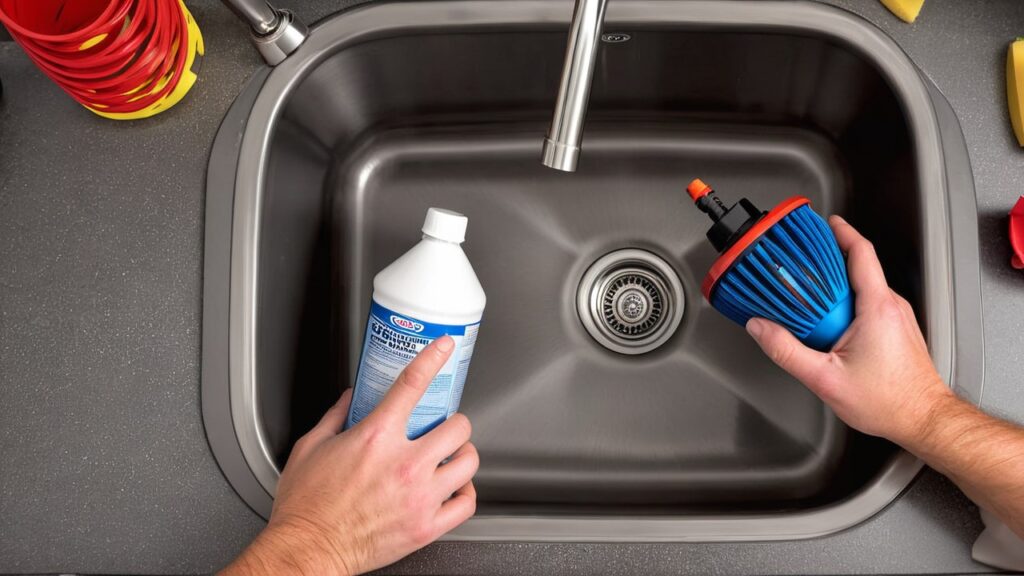
A clogged sink is one of the most common household problems, and it can be more than just an inconvenience. Slow-draining water, unpleasant odors, and messy backups can disrupt your daily routine. Learning how to unclog a sink drain not only saves time and money but also prevents damage to your plumbing.
Whether it’s a kitchen sink blocked with grease and food particles or a bathroom sink clogged with hair and soap residue, most drain problems can be solved at home using simple, safe methods. In this guide, we’ll show you step-by-step techniques—from natural remedies to tools—and explain when it’s time to call a plumber. By the end, you’ll know exactly how to unclog a sink drain and keep it running smoothly.
Table of Contents
What Causes a Sink Drain to Clog?
Understanding what blocks your sink is the first step in learning how to unclog a sink drain the right way. Most clogs do not happen suddenly — they build up slowly as debris sticks to the inside of your pipes over time. Here are the most common causes.
Hair Buildup
Hair is one of the biggest reasons bathroom sinks stop draining. When hair goes down the drain, it tangles together and sticks to pipe walls. Over time, it traps soap, toothpaste, and dirt, creating a thick blockage that slows or completely stops water flow.
Soap Scum
Many soaps contain fats and oils. When soap mixes with minerals in water, it forms a sticky residue called soap scum. This residue coats the inside of pipes, making it easier for hair and debris to cling to them, which leads to clogs.
Grease and Oil
In kitchen sinks, grease is a major problem. Even when hot, grease sticks to pipe walls. As it cools, it hardens and traps food particles. This creates thick clogs that are one of the main reasons people search for how to unclog sink drain solutions.
Food Particles
Small bits of food, coffee grounds, rice, and eggshells can go down the drain and collect in bends of the pipe. Over time, these materials clump together and block water from flowing freely.
Mineral Buildup from Hard Water
Hard water contains minerals like calcium and magnesium. When water dries, these minerals stay behind and slowly build up inside pipes. This narrows the drain and makes it easier for debris to get stuck.
Foreign Objects
Items like cotton swabs, paper towels, dental floss, or small plastic pieces should never go down a sink. These objects do not dissolve and can easily get stuck, leading to sudden and severe clogs.
Signs Your Sink Drain Is Clogged
Before a sink completely stops working, it usually gives several warning signs. Recognizing these early makes it easier to fix the problem and avoid serious plumbing issues. Knowing these signs also helps you decide how to unclog a sink drain before the blockage becomes worse.
Water Drains Slowly
A common early warning of a clog is water that drains slowly. If water takes longer than usual to go down the sink, it means debris is starting to block the pipe. This often happens when hair, grease, or soap scum builds up along the sides of the drain.
Gurgling Sounds
If you hear bubbling or gurgling noises when water goes down the drain, air is trapped in the pipe. This happens when a clog disrupts normal water flow and creates pressure inside the plumbing system.
Unpleasant Odors
A bad smell coming from your sink usually means food, grease, or other waste is stuck inside the drain. As this material breaks down, it produces unpleasant odors that rise up through the sink.
Water Backing Up
When a clog becomes serious, water may come back up into the sink instead of going down. This is a clear sign that the drain is blocked and needs immediate attention.
Frequent Clogs
If your sink keeps clogging again and again, it usually means there is a deeper blockage in the pipe. Temporary fixes may help for a short time, but the underlying problem remains.
How to Unclog Sink Drain Using Simple Home Methods
If your sink is draining slowly or completely blocked, you don’t always need a plumber. Many easy, at-home solutions can help tackle most sink clogs, making them ideal for safely unclogging a sink drain without risking pipe damage.
Boiling Water Method
Boiling water is one of the easiest ways to clear grease and soap buildup.
How it works:
Hot water melts grease and loosens sticky residue inside the pipe.
How to do it:
- Heat a kettle or saucepan until the water reaches a strong boil.
- Add half a cup of baking soda directly into the drain
This method works best for kitchen sinks clogged with grease or soap.
Baking Soda and Vinegar
This natural method creates a bubbling reaction that breaks down clogs.
How it works:
The fizzing helps loosen grime, hair, and grease stuck inside the drain.
How to do it:
- Start by putting ½ cup of baking soda into the drain and then pour in one cup of vinegar right after.
- Cover the drain and let it sit for 10–15 minutes.
- Flush with hot water.
This is one of the most popular ways to learn how to unclog a sink drain naturally.
Salt and Hot Water
Salt acts as a gentle scrub that helps remove grease.
How to do it:
- Pour ½ cup of salt into the drain.
- Follow it with boiling water.
- Let it work for several minutes before rinsing.
This is especially useful for kitchen drains.
Using a Plunger
A plunger can remove blockages caused by trapped debris.
How to do it:
- Fill the sink with a little water.
- Place the plunger over the drain opening.
- Push and pull firmly several times.
- Check if the water starts draining normally.
How to Unclog Sink Drain with Tool
When home remedies are not enough, using the right tools can quickly remove stubborn blockages. These methods go deeper into the pipes and are often the most effective way to fix serious clogs. If you are learning how to unclog a sink drain completely, these tools are essential.
Using a Drain Snake or Auger
A drain snake is a long, flexible tool designed to reach deep into the pipe and pull out hair, food, and debris.
How it works:
The snake twists through the pipe and hooks onto the sink remove clog so it can be removed.
How to use it:
- Insert the snake into the drain opening.
- Push it slowly until you feel resistance.
- Rotate the handle to grab the clog.
- Pull the snake out and remove the debris.
- Run hot water to flush the drain.
This method is especially effective for bathroom sinks clogged with hair.
Cleaning the P-Trap
The P-trap is the curved pipe under your sink that traps debris before it reaches the main drain.
Why it clogs:
Food scraps, grease, and hair often collect in this curved section.
How to clean it:
- Place a bucket under the sink.
- Unscrew the P-trap by hand or with a wrench.
- Remove the trapped debris.
- Rinse the pipe with warm water.
- Reattach it tightly.
Cleaning the P-trap is one of the most reliable ways to understand how to unclog a sink drain when water won’t go down at all.
How to Unclog Kitchen Sink Drain
Kitchen sink clogs are usually caused by grease, food scraps, and cooking oils. These materials stick to the inside of pipes and create thick blockages. Knowing how to unclog a sink drain in the kitchen helps keep water flowing smoothly.
Flush Grease with Hot Water
Pour boiling water down the drain to melt grease and loosen buildup. This is a great first step for kitchen sinks.
Use Baking Soda and Vinegar
This natural solution breaks down food particles and grease.
Pour baking soda first, followed by vinegar, wait 10–15 minutes, then flush with hot water.
Try a Plunger
A plunger helps dislodge trapped food. Make sure there is enough water in the sink to create suction before plunging.
Clean the P-Trap
If food and grease are stuck in the curved pipe under the sink, removing and cleaning it will quickly restore water flow.
How to Unclog Bathroom Sink Drain
Bathroom sink clogs usually form from hair, soap, toothpaste, and skincare products. These materials stick together and block water flow. Learning how to unclog a sink drain in the bathroom can save you from slow drains and bad odors.
Remove Visible Hair
Sometimes the clog is right near the surface. Use your fingers or tweezers to pull out hair stuck around the drain opening.
Use Baking Soda and Vinegar
This mixture breaks down soap residue and hair buildup.
Pour baking soda into the drain, add vinegar, wait a few minutes, then flush with hot water.
Try a Drain Snake
If the clog is deeper, a drain snake can pull out tangled hair and grime.
Clean the P-Trap
Hair and soap often collect in the curved pipe under the sink. Removing and rinsing it can quickly clear stubborn clogs.
What Not to Do When Unclogging a Sin
While learning how to unclog a sink drain, it’s just as important to know what mistakes to avoid. Some actions can damage your pipes or make the clog worse.
Do Not Use Harsh Chemical Cleaners
Chemical drain cleaners may seem effective, but they can corrode pipes, especially in older plumbing. They can also be dangerous to handle and may not remove the actual blockage.
Do Not Push Objects Down the Drain
Using wire hangers, knives, or other sharp tools can push the clog deeper into the pipe and cause scratches or leaks.
Do Not Ignore Slow Drains
Slow drainage is an early sign of a clog. Ignoring it allows debris to build up and leads to bigger plumbing problems.
How to Prevent Sink Drain Clogs
Once you’ve learned how to unclog a sink drain, the next step is making sure it doesn’t happen again. A few simple habits can keep your sink flowing freely.
Use a Drain Strainer
A drain strainer catches hair, food scraps, and debris before they go into the pipes.
Avoid Pouring Grease Down the Sink
Grease and oil stick to pipes and trap other debris. Always dispose of cooking grease in the trash instead.
Run Hot Water Regularly
Running hot water after washing dishes or brushing your teeth helps flush away residue before it can build up.
Clean Drains Weekly
Using baking soda and hot water once a week helps prevent buildup and keeps drains fresh.
When to Call a Plumber
While many clogs can be fixed at home, some problems require professional help. Knowing when to call a plumber is an important part of understanding how to unclog a sink drain safely and correctly.
Water Is Backing Up in Multiple Drains
If water is coming up in more than one sink, tub, or toilet, the clog is likely deep in the main drain line. This is not something home methods can fix.
The Sink Keeps Clogging Again
If you unclog the sink but the problem returns quickly, there may be a buildup further down the pipe. A plumber can inspect and remove the blockage properly.
There Is a Strong Sewage Smell
A strong, unpleasant odor could mean waste is trapped in the pipes or there is a ventilation problem. This requires professional attention.
You Have Tried Everything
If boiling water, baking soda, plunging, and drain snakes do not work, it’s time to call a plumber. Forcing the clog could damage your pipes.
FAQs
How do you unclog a sink drain fast?
The fastest way is to pour boiling water down the drain first.When the blockage doesn’t clear, use baking soda and vinegar and finish with a hot water rinse. These two steps solve most minor clogs quickly.
What is the best home remedy for a clogged sink?
A mix of baking soda and vinegar is one of the best natural solutions. It breaks down grease, soap, and light debris without harming pipes.
Can vinegar damage pipes?
Vinegar is safe for most household plumbing when used occasionally. It will not damage PVC or metal pipes when mixed with baking soda and rinsed with water.
Why does my sink keep clogging?
Frequent clogs usually mean debris is stuck deeper in the pipes or the P-trap. Cleaning the trap or using a drain snake can fix the problem.
Is it safe to use chemical drain cleaners?
These harsh chemicals can harm pipes over time, making them unsuitable for regular use. Natural methods and tools are safer and more effective when learning how to unclog a sink drain.
Conclusion
A clogged sink can be frustrating, but it doesn’t have to be a major problem. By understanding what causes blockages and learning how to unclog a sink drain using simple home methods and basic tools, you can fix most issues quickly and safely. From boiling water and baking soda to drain snakes and P-trap cleaning, these solutions help restore proper water flow without expensive repairs.
Regular maintenance, such as using drain strainers and flushing pipes with hot water, can also prevent future clogs and keep your plumbing running smoothly. And when home remedies are not enough, calling a plumber at the right time protects your pipes and saves money in the long run.
By following the tips in this guide, you’ll always know how to unclog a sink drain the right way and keep your kitchen and bathroom sinks working perfectly.