
Introduction
Cleaning a bathroom can be one of the most frustrating household chores. Soap scum, stubborn grime, hard water stains, and bacteria often build up on tiles, grout, showers, sinks, and toilets. Traditional cleaning methods require harsh chemicals, hours of scrubbing, and still may not reach all the hidden corners.This is where a steam cleaner for bathroom comes in. Using high-temperature steam, it loosens dirt, kills germs, and sanitizes surfaces without chemicals. It works on a wide range of surfaces—from tiles and grout to glass doors, sinks, and fixtures—making bathroom cleaning faster, safer, and more eco-friendly.
In this guide, we’ll explore what a steam cleaner for a bathroom is, how it works, its benefits, and tips for using it effectively so your bathroom stays sparkling clean with minimal effort.
Table of Contents
What Is a Steam Cleaner for a Bathroom?
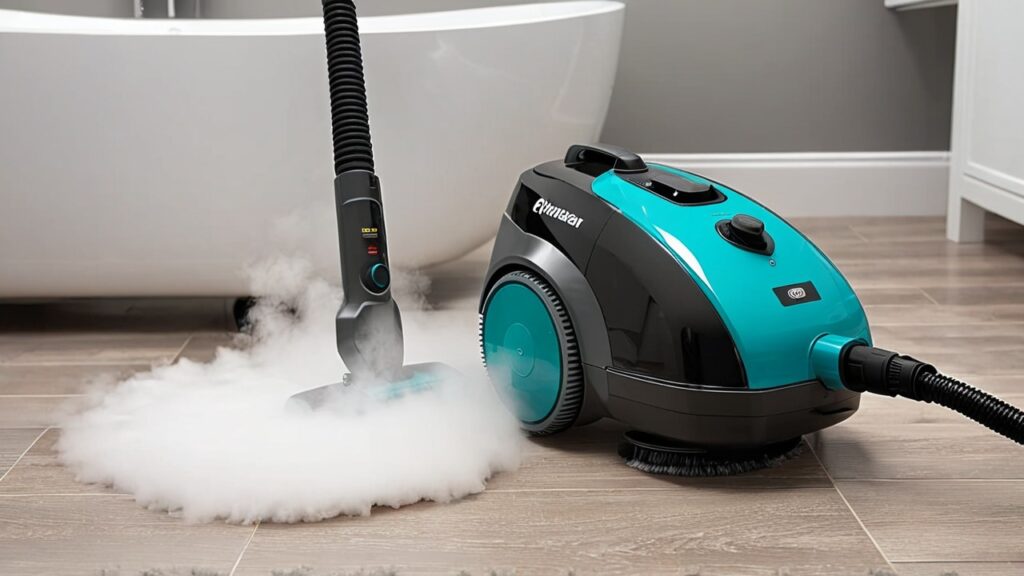
A steam cleaner for bathrooms is a cleaning device that uses high-temperature steam to remove dirt, soap scum, grease, and bacteria from bathroom surfaces. Instead of relying on harsh chemical cleaners, it heats water to produce steam, which loosens grime and sanitizes surfaces at the same time. The steam is released through a nozzle or brush attachment and penetrates deep into pores, grout lines, and hard-to-reach areas. This makes a steam cleaner especially effective in bathrooms, where moisture, mold, and germs tend to build up quickly.
A steam cleaner for bathrooms can be used on a wide range of surfaces, including tiles, grout, shower walls, bathtubs, sinks, faucets, and even toilet exteriors. The heat of the steam helps break down stubborn residue while killing many bacteria and germs without leaving behind chemical residues.
Most bathroom steam cleaners come with specialized attachments such as grout brushes, angled nozzles, and scrubbing pads. These tools allow you to clean tight corners, edges, and fixtures more efficiently than traditional cleaning methods.
Overall, a steam cleaner for a bathroom is designed to provide deep, hygienic cleaning using only water. It is a practical choice for homeowners who want a faster, more eco-friendly way to keep their bathroom clean and fresh.
Benefits of Using a Steam Cleaner for Bathrooms
Using a steam cleaner for bathroom cleaning offers several practical advantages over traditional methods. It not only improves cleanliness but also makes bathroom maintenance easier and safer.
Chemical-Free and Eco-Friendly Cleaning
One of the biggest benefits of a steam cleaner for bathroom use is that it cleans using only water. This reduces the need for chemical cleaners, making it a safer option for homes with children, pets, or people with sensitivities. It also helps lower your environmental impact by minimizing chemical waste.
Kills Germs, Bacteria, and Mold
High-temperature steam is highly effective at killing bacteria, germs, and mold commonly found in bathrooms. A steam cleaner for bathrooms reaches into grout lines, corners, and damp areas where mold spores often grow, helping maintain a more hygienic space.
Deep Cleans Tiles and Grout
Bathroom tiles and grout easily trap dirt and soap residue. Steam penetrates these porous surfaces, loosening stubborn buildup that regular wiping cannot remove. This makes a steam cleaner for bathrooms especially useful for restoring the original look of tiles and grout.
Saves Time and Reduces Scrubbing
Steam softens grime almost instantly, reducing the need for hard scrubbing. With a steam cleaner for the bathroom, cleaning tasks that once took hours can be completed much faster and with less effort.
Safe for Most Bathroom Surfaces
When used correctly, a steam cleaner for bathrooms is safe for most hard surfaces, such as ceramic tiles, sealed grout, glass doors, sinks, and metal fixtures. This makes it a versatile tool for complete bathroom cleaning.
Where Can You Use a Steam Cleaner in the Bathroom?
A steam cleaner for bathroom use is highly versatile and can clean multiple surfaces effectively. Because steam loosens dirt and kills germs without chemicals, it works well in areas where moisture and buildup are common.
Steam Cleaner for Bathroom Tiles and Grout
Tiles and grout are some of the most difficult bathroom areas to clean. Steam penetrates deep into grout lines, breaking down soap scum, mildew, and dirt. Using a steam cleaner for bathroom tiles helps restore brightness while reducing bacteria hidden in porous grout.
Steam Cleaning Showers and Bathtubs
Shower walls and bathtubs often collect soap residue and hard water stains. A steam cleaner for bathrooms can dissolve this buildup quickly, making it easier to wipe away grime from fiberglass, ceramic, and sealed surfaces.
Steam Cleaner for Bathroom Glass and Mirrors
Steam works well on shower doors and bathroom glass, helping remove streaks, water spots, and residue. When used properly, a steam cleaner for bathrooms leaves glass surfaces clear and polished.
Steam Cleaning Sinks and Faucets
Bathroom sinks and metal fixtures attract fingerprints, toothpaste splatter, and mineral deposits. Steam helps loosen these stains while sanitising the surface, making a steam cleaner for the bathroom ideal for daily-use fixtures.
Steam Cleaner for Toilet Exteriors
A steam cleaner for bathrooms can be safely used on toilet exteriors, including the seat, lid, tank, and base. The steam helps remove bacteria and odors from hard-to-reach areas without harsh chemicals.
How to Use a Steam Cleaner for Bathroom Cleaning (Step-by-Step)
Using a steam cleaner for bathroom cleaning is simple, but following the correct steps ensures better results and protects your surfaces. Here’s a clear, easy-to-follow process.
Step 1: Prepare the Bathroom
Before using a steam cleaner for the bathroom, remove loose items such as towels, bath mats, and toiletries. Sweep or wipe away dust and hair so the steam can focus on stuck-on grime instead of surface debris.
Step 2: Fill the Steam Cleaner with Water
Add clean water to the steam cleaner’s tank according to the manufacturer’s instructions. Do not add chemicals or detergents, as a steam cleaner for the bathroom is designed to work with water only.
Step 3: Choose the Right Attachment
Choose the right attachment based on the surface you plan to clean.. Brush attachments work best for grout and tiles, while nozzle tools are ideal for corners, edges, and fixtures. Using the correct tool improves the effectiveness of your steam cleaner for the bathroom.
Step 4: Apply Steam to the Surface
Hold the steam cleaner slightly above the surface and apply steam evenly. Allow the steam to sit for a few seconds to loosen dirt and soap scum. This step is key to reducing scrubbing when using a steam cleaner for the bathroom.
Step 5: Wipe Away Loosened Dirt
After steaming, wipe the area with a clean microfiber cloth or sponge. The grime should come off easily, leaving the surface clean and sanitized.
Step 6: Ventilate the Bathroom
Once cleaning is complete, open windows or turn on the exhaust fan. Proper ventilation helps surfaces dry faster and prevents moisture buildup after using a steam cleaner for the bathroom.
Steam Cleaner vs. Traditional Bathroom Cleaning Methods
Choosing between a steam cleaner for bathroom cleaning and traditional methods depends on effectiveness, safety, and long-term value. The following comparison makes it simple to see how they differ.
Cleaning Power
A steam cleaner for bathroom uses high-temperature steam to loosen stubborn grime, soap scum, and bacteria. Traditional cleaning methods rely on chemical sprays and manual scrubbing, which may not penetrate deep into grout and porous surfaces.
Hygiene and Germ Removal
Steam cleaning naturally sanitizes surfaces using heat. A steam cleaner for the bathroom can kill many germs and bacteria without disinfectant chemicals. In contrast, traditional cleaning often requires multiple products to achieve similar results.
Time and Effort
With a steam cleaner for the bathroom, dirt softens quickly, reducing the need for intense scrubbing. Traditional methods usually take longer and require more physical effort, especially for grout and tile cleaning.
Chemical Use and Safety
Steam cleaners work with water only, making them safer for households with children or pets. Traditional bathroom cleaners often contain strong chemicals that can irritate skin or lungs. This gives the steam cleaner for the bathroom a clear advantage in safety.
Cost Over Time
While a steam cleaner for a bathroom may have a higher upfront cost, it reduces the need for frequent purchases of cleaning products. Traditional methods may seem cheaper initially but can cost more over time due to repeated chemical purchases.
Environmental Impact
Steam cleaning produces no chemical waste and uses minimal water. Traditional cleaning contributes to chemical runoff and plastic waste from product packaging, making the steam cleaner for the bathroom a more eco-friendly choice.
How to Choose the Best Steam Cleaner for Bathrooms
Selecting the right steam cleaner for bathroom use ensures better cleaning results and long-term value. Not all steam cleaners are the same, so it’s important to focus on features that work best in bathroom environments.
Steam Temperature and Pressure
A good steam cleaner for a bathroom should produce high-temperature steam to effectively remove soap scum, bacteria, and grime. Higher steam pressure allows the steam to reach into grout lines and tight corners, improving overall cleaning performance.
Attachments and Accessories
Look for a steam cleaner for the bathroom that includes multiple attachments such as grout brushes, angled nozzles, and scrubbing pads. These accessories make it easier to clean tiles, fixtures, corners, and hard-to-reach areas efficiently.
Water Tank Capacity
The size of the water tank determines how long you can clean without stopping to refill. For larger bathrooms, a steam cleaner for bathrooms with a bigger tank is more convenient. Smaller tanks are suitable for quick, targeted cleaning tasks.
Handheld vs. Canister Steam Cleaners
Handheld models are lightweight and ideal for quick bathroom cleaning, while canister steam cleaners offer more power and longer run time. Choosing the right steam cleaner for the bathroom depends on your cleaning frequency and bathroom size.
Safety Features
A reliable steam cleaner for a bathroom should include safety locks, pressure controls, and heat-resistant hoses. They provide added safety, ensuring the cleaner is used correctly and securely.
Common Mistakes to Avoid When Using a Steam Cleaner for Bathroom
Using a steam cleaner for bathroom is highly effective, but incorrect use can reduce results or damage surfaces. Avoiding these common mistakes will help you clean safely and efficiently.
Using Steam on Unsuitable Surfaces
Not all materials can handle high heat. Avoid using a steam cleaner for bathroom on unsealed wood, delicate finishes, or surfaces recommended against steam by the manufacturer. Always check surface guidelines before cleaning
Skipping Surface Preparation
Steam works best on surfaces free of loose debris. Skipping basic prep like wiping dust or hair can spread dirt instead of removing it. Preparing the area ensures your steam cleaner for bathroom delivers better results.
Holding the Steam in One Spot Too Long
Keeping the steam nozzle in one place for too long may damage grout, seals, or finishes. Move the steam cleaner continuously when cleaning to protect surfaces while using a steam cleaner for bathroom
Not Ventilating the Bathroom
Steam adds moisture to the air. Without proper ventilation, humidity can build up and encourage mold growth. Always open windows or use an exhaust fan after using a steam cleaner for bathroom.
Neglecting Steam Cleaner Maintenance
Failing to empty the water tank or clean attachments can reduce performance over time. Regular maintenance keeps your steam cleaner for bathroom working efficiently and extends its lifespan.
Is a Steam Cleaner Safe for All Bathroom Surfaces?
A steam cleaner for bathroom is safe for many common surfaces, but it is not suitable for every material. Understanding where steam can and cannot be used helps prevent damage while still achieving deep cleaning results.
Bathroom Surfaces That Are Safe for Steam Cleaning
Most hard, sealed surfaces can be cleaned effectively with a steam cleaner for bathroom. These include ceramic and porcelain tiles, sealed grout, glass shower doors, sinks, bathtubs, metal fixtures, and toilet exteriors. When used correctly, steam removes grime and sanitizes without harming these surfaces
Surfaces to Avoid When Using a Steam Cleaner
Some materials are sensitive to heat and moisture. Avoid using a steam cleaner for bathroom on unsealed grout, natural stone, painted surfaces, laminate, or wallpaper. Steam can weaken adhesives, cause discoloration, or damage finishes over time
Follow Manufacturer Guidelines
Always check the manufacturer’s instructions for both your bathroom surfaces and your steam cleaner. Even with a steam cleaner for bathroom, different materials may require lower steam settings or specific attachments for safe use.
Test Before Full Cleaning
If you are unsure whether a surface can handle steam, test a small hidden area first. This simple step ensures your steam cleaner for bathroom won’t cause unexpected damage.
FAQ
Is a steam cleaner good for bathroom mold?
Yes. A steam cleaner for bathroom can kill many types of mold on hard surfaces like tiles and grout. High-temperature steam sanitizes the area and helps prevent mold growth when combined with proper ventilation
Can I use a steam cleaner on bathroom grout?
Absolutely. Grout is one of the best areas to use a steam cleaner for bathroom. The steam loosens dirt, soap scum, and mildew that are hard to remove with regular scrubbing. A brush attachment works best for thorough cleaning.
How often should I steam clean my bathroom?
For most households, using a steam cleaner for bathroom once every 1–2 weeks is sufficient for regular maintenance. High-traffic or humid bathrooms may benefit from weekly cleaning to prevent mold and soap buildup.
Does steam cleaning replace disinfectants?
Steam cleaning significantly reduces bacteria and germs without chemicals. While it sanitizes most surfaces, some areas may still require occasional disinfectants, especially for high-touch areas like toilet handles.
Can a steam cleaner remove hard water stains?
Yes. A steam cleaner for bathroom can loosen hard water deposits on tiles, faucets, and shower doors. Wiping the area immediately after steaming helps restore shine and prevents streaks.
Is it safe to use a steam cleaner on glass shower doors?
Yes, but use the correct attachment and avoid holding steam in one spot too long. This ensures a streak-free finish while preventing potential heat damage
Conclusion
A steam cleaner for bathroom is a powerful, chemical-free tool that makes deep cleaning easier, faster, and more hygienic. From tiles and grout to sinks, showers, and toilets, steam cleaners remove stubborn dirt, soap scum, bacteria, and even mold, while reducing the need for harsh chemicals.
By choosing the right model, using the proper attachments, and following safe cleaning practices, you can maintain a sparkling clean and healthy bathroom with minimal effort. Switching to a steam cleaner for bathroom not only saves time but also protects your family and the environment.
Upgrade your cleaning routine today and experience the convenience and effectiveness of steam cleaning for every corner of your bathroom.