
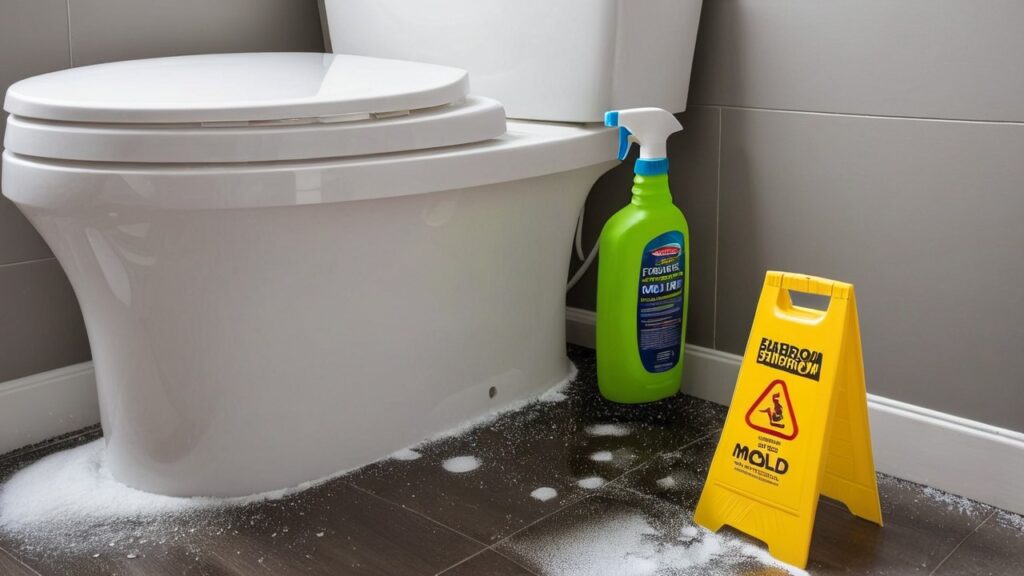
Introduction
Bathrooms are one of the most humid areas in any home, making them a prime target for mold growth. Even a clean bathroom can develop mold if moisture and humidity aren’t properly managed. Mold not only damages tiles, grout, and walls but can also affect your health by triggering allergies and respiratory problems. The good news is that with the right habits, regular maintenance, and simple prevention techniques, you can stop mold before it starts. In this guide, we’ll show you practical steps to prevent bathroom mold, keep your bathroom clean, and maintain a healthy home environment.
Table of Contents
What Causes Mold in Bathrooms?
Understanding the root causes is the first step to prevent bathroom mold effectively. Bathrooms naturally create the perfect environment for mold because they combine moisture, warmth, and organic materials. Below are the main reasons mold develops in bathrooms and why these issues should be addressed early.
Excess Moisture and High Humidity
Bathrooms produce a large amount of moisture from hot showers, baths, and sinks. When steam lingers in the air and settles on walls, ceilings, tiles, and mirrors, it creates damp surfaces where mold can easily grow. If humidity levels stay high for long periods, it becomes much harder to prevent bathroom mold from spreading.
Poor Ventilation
Inadequate airflow is one of the biggest contributors to bathroom mold. Bathrooms without exhaust fans or windows trap moist air, allowing humidity to build up. Even when a fan is installed, turning it off too soon after showering can leave moisture behind. Proper ventilation helps dry surfaces quickly and plays a major role in preventing mold growth.
Water Leaks and Plumbing Issues
Small leaks under sinks, around toilets, or behind walls often go unnoticed. These hidden moisture sources create ideal conditions for mold to thrive. Over time, constant dampness can lead to mold spreading beneath tiles or inside cabinets, making it harder to prevent bathroom mold without repairs.
Soap Scum and Organic Residue
Mold feeds on organic matter such as soap residue, shampoo, body oils, and dust. When these materials build up on tiles, grout, and shower curtains, they provide a food source for mold. Regular cleaning removes this residue and reduces the risk of mold forming.
Damp Towels, Mats, and Fabrics
Wet towels, bath mats, and shower curtains hold moisture for long periods. When left bunched up or placed in poorly ventilated areas, they become breeding grounds for mold. Drying these items properly is an easy but often overlooked way to prevent bathroom mold.
Infrequent Cleaning and Maintenance
Skipping regular bathroom cleaning allows moisture, residue, and dirt to build up over time. Mold spores can settle and grow in grout lines, corners, and ceilings if these areas are ignored. Consistent maintenance makes it easier to stop mold before it becomes a serious problem.
Why It’s Important to Prevent Bathroom Mold
Taking steps to prevent bathroom mold is not just about keeping your bathroom looking clean. Mold can affect your health, damage your home, and lead to expensive repairs if left untreated. Understanding why mold prevention matters will help you stay consistent with proper bathroom care.
Protects Your Health
Bathroom mold releases spores into the air that can trigger allergies, asthma, and other respiratory problems. Prolonged exposure may cause headaches, coughing, skin irritation, and breathing discomfort—especially for children, elderly individuals, or people with weak immune systems. When you prevent bathroom mold, you improve indoor air quality and create a healthier living space.
Prevents Damage to Bathroom Surfaces
Mold doesn’t just sit on the surface—it slowly eats away at grout, caulking, paint, and even drywall. Over time, this can cause tiles to loosen, walls to peel, and ceilings to stain. Preventing mold early helps preserve bathroom materials and extends their lifespan.
Avoids Costly Repairs
Ignoring mold allows it to spread into hidden areas such as behind tiles, under sinks, or inside walls. Once mold reaches these spaces, professional removal and repairs can become expensive. Regular cleaning and moisture control help prevent bathroom mold before it turns into a costly issue.
Maintains a Fresh and Clean Smell
Mold often causes a persistent musty odor that regular air fresheners can’t eliminate. Preventing mold at the source keeps your bathroom smelling clean and fresh without masking the problem.
Improves Overall Bathroom Hygiene
A mold-free bathroom is easier to clean and bathroom maintain. When moisture and residue are controlled, bacteria and germs have fewer places to grow. Making an effort to prevent bathroom mild supports better hygiene and a more comfortable daily routine.
How to Prevent Bathroom Mold Effectively
If you want to prevent bathroom mold, the key is controlling moisture, improving airflow, and maintaining consistent cleaning habits. The following practical steps are easy to apply and highly effective when done regularly.
Improve Bathroom Ventilation
Good airflow helps moisture escape before it settles on surfaces. Always turn on the exhaust fan during showers and let it run for at least 15–20 minutes afterward. If your bathroom has a window, open it to allow fresh air in. Proper ventilation is one of the most effective ways to prevent bathroom mold from forming.
Reduce Moisture After Every Use
Water left on tiles, mirrors, and counter tops creates ideal conditions for mold. After showering, quickly wipe down wet surfaces with a towel or squeegee. This simple habit takes less than a minute but significantly helps prevent bathroom mold.
Clean the Bathroom Regularly
Regular cleaning removes soap scum, dust, and residue that mold feeds on. Focus on grout lines, corners, shower walls, and around fixtures. Weekly cleaning makes it easier to prevent bathroom mold before it starts spreading.
Fix Leaks and Water Issues Quickly
Even small leaks can keep areas damp for long periods. Check under sinks, around toilets, and behind washing machines for signs of dripping or pooling water. Repairing leaks early helps prevent bathroom mold in hidden areas.
Use Mold-Resistant Materials
Mold-resistant paint, waterproof grout, and quality sealants help block moisture from penetrating surfaces. These materials make bathrooms easier to maintain and reduce the chances of mold growth over time.
Control Humidity Levels
If your bathroom stays humid even with ventilation, consider using a small dehumidifier. Keeping humidity low makes it much easier to prevent bathroom mold, especially in bathrooms without windows.
Daily and Weekly Habits to Prevent Bathroom Mold
Building simple daily and weekly habits is one of the easiest ways to prevent bathroom mold long term. These routines take very little time but help stop moisture and residue from turning into mold problems.
Daily Habits to Prevent Bathroom Mold
Small actions done every day can make a big difference in keeping mold away.
- Ventilate after every shower: Run the exhaust fan or open a window to remove steam and excess humidity.
- Wipe wet surfaces: Quickly dry tiles, glass doors, faucets, and countertops to prevent moisture buildup.
- Hang towels properly: Spread towels out to dry instead of leaving them on hooks or the floor.
- Keep items dry: Avoid leaving wet sponges, loofahs, or bath mats in the shower area.
These daily habits reduce dampness and make it much easier to prevent bathroom mold before it has a chance to grow.
Weekly Habits to Prevent Bathroom Mold
Weekly maintenance targets areas where mold is most likely to start forming.
- Clean tiles and grout: Scrub grout lines and corners where moisture collects.
- Wash shower curtains and bath mats: These items trap moisture and should be cleaned regularly.
- Disinfect high-risk areas: Focus on shower walls, around the toilet base, and under sinks.
- Check for leaks: Look for drips or water stains under sinks and around plumbing fixtures.
Consistent weekly cleaning helps remove mold spores and organic residue, making it easier to prevent bathroom mold year-round.
Create a Simple Bathroom Mold Prevention Routine
Combining daily and weekly habits creates a routine that keeps your bathroom dry, clean, and healthy. When these tasks become part of your schedule, you significantly reduce the chances of mold returning.
Natural Ways to Prevent Bathroom Mold
If you prefer eco-friendly solutions, natural methods can be very effective to prevent bathroom mold when used consistently. These options help control moisture and reduce mold growth without relying on harsh chemicals.
Use White Vinegar to Stop Mold Growth
White vinegar is a natural mold inhibitor that helps prevent spores from spreading. Spray undiluted vinegar on high-risk areas such as grout lines, shower walls, and tile corners. Let it sit for at least an hour, then wipe clean. Regular use can help prevent bathroom mold from returning.
Baking Soda for Moisture Control
Baking soda absorbs moisture and neutralizes odors that mold thrives on. Mix baking soda with water to create a gentle scrub for sinks, tubs, and grout. You can also place a small open container of baking soda in the bathroom to reduce humidity.
Essential Oils That Help Prevent Mold
Certain essential oils, such as tea tree oil and eucalyptus oil, have natural anti fungal properties. Add a few drops to water in a spray bottle and apply to problem areas. These oils not only help prevent bathroom mold but also leave a fresh scent.
Increase Airflow Naturally
Natural airflow plays a major role in keeping mold away. Open windows when possible and leave the bathroom door open after showers. Sunlight and fresh air help dry damp surfaces faster, making it easier to prevent bathroom mold naturally.
Dry Bathroom Fabrics Thoroughly
Wash and dry towels, bath mats, and shower curtains frequently. Avoid leaving damp fabrics in the bathroom for long periods. Keeping these items dry removes a major source of moisture that encourages mold growth.
Common Mistakes That Lead to Bathroom Mol
Many people try to prevent bathroom mold but unknowingly make small mistakes that allow it to grow. Avoiding these common errors can significantly reduce mold problems and keep your bathroom clean and healthy.
Not Using the Exhaust Fan Long Enough
Turning off the exhaust fan immediately after showering leaves moisture trapped in the air. Steam needs time to escape, and shutting the fan off too soon allows humidity to settle on walls and ceilings. Letting the fan run for at least 15–20 minutes helps prevent bathroom mold effectively.
Ignoring Small Leaks
Even minor leaks under sinks or around toilets can keep areas damp for days. Many homeowners overlook these slow drips, allowing mold to grow in hidden spaces. Fixing leaks promptly is essential to prevent bathroom mold from spreading unseen.
Leaving Wet Towels and Mats in the Bathroom
Damp towels and bath mats hold moisture for long periods, creating a perfect environment for mold. Leaving them piled on the floor or hooks slows drying and increases mold risk. Hanging them properly or drying them outside helps prevent bathroom mold.
Skipping Regular Cleaning
Infrequent cleaning allows soap scum, dirt, and residue to build up. Mold feeds on these materials, especially in grout lines and corners. Consistent cleaning makes it much easier to prevent bathroom mold before it becomes visible.
Assuming a Clean Bathroom Can’t Grow Mold
Even spotless bathrooms can develop mold if moisture and humidity are not controlled. Mold spores are always present in the air, and moisture alone is enough for growth. Managing humidity is just as important as cleaning to prevent bathroom mold.
How to Detect Mold Before It Spreads in Your Bathroom
Catching mold early makes it much easier to prevent bathroom mold from spreading and causing damage. Mold often starts in small, hidden areas before becoming obvious, so knowing the early warning signs is important.
Visible Dark or Discolored Spots
One of the first signs of mold is the appearance of black, green, or brown spots on grout, tiles, ceilings, or walls. These spots often appear in corners, along caulking, or near the shower area where moisture collects. Addressing these signs quickly helps prevent bathroom mold from spreading further.
Musty or Damp Odors
A continual musty smell can be a warning that mold is present out of sight. Even if you can’t see mold, odors may indicate it is growing behind walls, under sinks, or near drains. Investigating the source early can help you prevent bathroom mold from becoming a bigger issue.
Peeling Paint or Warped Surfaces
Excess moisture can cause paint to bubble, peel, or discolor. Warped wood or soft drywall may also signal moisture buildup behind surfaces. These conditions create ideal environments for mold, making early action essential to prevent bathroom mold.
Increased Allergy or Breathing Symptoms
If you or your family experience sneezing, coughing, itchy eyes, or breathing discomfort when using the bathroom, mold could be present. Mold spores in the air can affect indoor air quality, even when mold is not visible.
Condensation That Never Fully Dries
Constant condensation on mirrors, walls, or windows long after showering indicates poor ventilation. Continuous humidity creates conditions where mold can flourish. Improving airflow helps prevent bathroom mold before it becomes visible.
FAQ
How can I prevent bathroom mold permanently?
While mold spores are always present in the air, you can prevent mold from growing by controlling moisture. Proper ventilation, regular cleaning, fixing leaks, and drying wet surfaces daily are the most effective long-term ways to prevent bathroom mold.
Does vinegar really help prevent bathroom mold?
Yes, white vinegar can help prevent mold growth on non-porous surfaces like tiles, glass, and grout. Regular application reduces mold spores and makes it harder for mold to return. However, vinegar works best when combined with good ventilation and consistent cleaning to fully prevent bathroom mold.
How often should I clean my bathroom to prevent mold?
Light cleaning should be done daily or after showers, such as wiping wet surfaces. A deeper clean at least once a week helps remove soap scum and moisture buildup, making it easier to prevent bathroom mold.
Can mold grow even in a clean bathroom?
Yes. Even a clean bathroom can develop mold if humidity and moisture are not controlled. Mold needs moisture more than dirt, so airflow and drying surfaces are just as important as cleaning when you want to prevent bathroom mold.
Is a dehumidifier necessary in the bathroom?
A dehumidifier can be helpful in bathrooms without windows or proper ventilation. By reducing humidity levels, it supports your efforts to prevent bathroom mold, especially in damp climates.
Conclusion
Mold in the bathroom is a common problem, but it’s one you can prevent with the right habits and precautions. By understanding what causes mold—moisture, poor ventilation, leaks, and residue—you can take targeted steps to prevent bathroom mold before it damages surfaces or affects your health.
The most effective strategies include:
- Improving ventilation with exhaust fans or open windows.
- Wiping down wet surfaces daily and drying towels and mats properly.
- Cleaning tiles, grout, and corners regularly to remove soap scum and residue.
- Fixing leaks and plumbing issues promptly.
- Using mold-resistant materials and natural solutions like vinegar or baking soda.
By combining daily and weekly habits, inspecting for early signs, and avoiding common mistakes, you can maintain a clean, fresh, and mold-free bathroom year-round. Preventing mold not only protects your home and health but also saves money on costly repairs and keeps your bathroom looking its best.