
Introduction
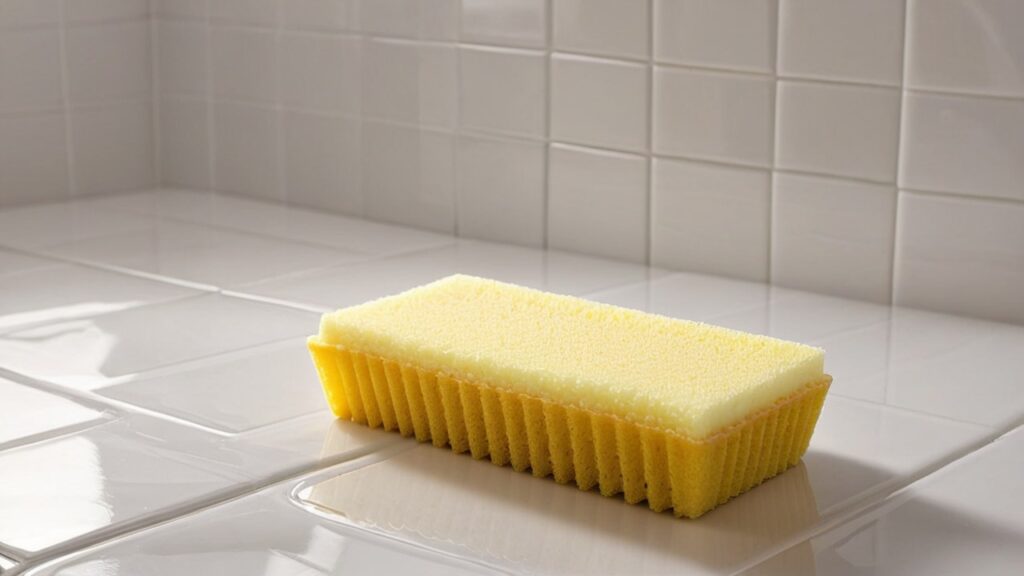
If you want sparkling clean bathroom tiles without risking scratches or damage, choosing the best soft sponge for bathroom tiles is key. A high-quality soft sponge gently removes soap scum, dirt, and grime while protecting delicate surfaces like ceramic, porcelain, glass, and natural stone. In this guide, we’ll explore the top sponge options, their benefits, and how to use them effectively to keep your bathroom tiles looking fresh and polished.
Table of Contents
Why You Need a Soft Sponge for Bathroom Tiles
Using the best soft sponge for bathroom tiles is essential if you want to keep your bathroom clean without damaging the surfaces. Bathroom tiles are designed to be durable, but constant exposure to water, soap residue, and mineral deposits can weaken their finish over time—especially if the wrong cleaning tools are used. Hard scrubbers and abrasive pads may remove dirt quickly, but they often leave behind tiny scratches. These scratches trap moisture and grime, making tiles look dull and dirty faster. A soft sponge cleans effectively while protecting the tile surface, which helps preserve its original shine and texture. Another reason to choose the best soft sponge for bathroom tiles is safety across different tile materials. Ceramic, porcelain, glass, and natural stone tiles all require gentle care. Soft sponges remove soap scum, mildew, and everyday buildup without stripping sealants or wearing down protective coatings. This is especially important for glossy or polished tiles that can easily lose their smooth finish. Soft sponges are also better for routine cleaning. They hold water and cleaning solutions well, allowing you to wipe larger areas efficiently with less effort. Because they are flexible, they reach corners, edges, and tile grout lines more easily than stiff brushes or harsh scrub pads.
From a long-term perspective, using a soft sponge helps extend the life of your bathroom tiles. When tiles stay scratch-free, they resist stains and discolouration better, reducing the need for deep cleaning or costly repairs. This makes a soft sponge a smart and practical choice for both daily maintenance and light deep cleaning.
Types of Bathroom Tile Sponges
Choosing the best soft sponge for bathroom tiles starts with understanding the different types available. Not all soft sponges are the same, and each type is designed to handle specific cleaning needs while protecting tile surfaces.
Cellulose Sponges
Cellulose sponges are made from natural plant fibres, making them soft, absorbent, and gentle on tiles. They hold water and cleaning solutions very well, which helps loosen soap scum and light stains without aggressive scrubbing. These sponges are ideal for ceramic and porcelain bathroom tiles and are a popular choice for everyday cleaning.
Best for:
- Routine tile cleaning
- Large wall and floor areas
- Eco-conscious households
Microfibre Sponges
Microfibre sponges are highly effective for removing dirt and residue without scratching. Their fine fibres trap dust, grime, and bacteria, making them one of the best soft sponge options for bathroom tiles, especially glossy and glass surfaces. They often require less cleaning solution, which is great for non-toxic cleaning routines.
Best for:
- Glass and polished tiles
- Streak-free cleaning
- Sensitive tile finishes
Foam Sponges
Foam sponges are lightweight, flexible, and easy to handle. They are gentle enough for frequent use and work well for quick cleanups. While they may not scrub heavy buildup, they are excellent for maintaining tile cleanliness between deep cleans.
Best for:
- Daily or quick bathroom cleanups
- Light dirt and soap residue
- Hard-to-reach tile edges
Non-Scratch Scrubbing Sponges
These sponges combine a soft sponge base with a gentle, non-abrasive scrubbing surface. They provide a bit more cleaning power while still protecting tiles from scratches. When used correctly, they can be part of the best soft sponge for bathroom tile setup, especially for areas with mild buildup.
Best for:
- Light grout cleaning
- Soap scum on shower tiles
- Controlled scrubbing without damage
Key Features to Look for in the Best Soft Sponge for Bathroom Tiles
Not all sponges are safe for tile surfaces, so choosing the best soft sponge for bathroom tiles means knowing which features truly matter. The right sponge should clean effectively while protecting the tile finish and grout.
Non-Abrasive Surface
This is the most important feature. A truly soft, non-abrasive sponge cleans without scratching or dulling tile surfaces. Abrasive materials can wear down protective coatings and create micro-scratches that trap dirt and moisture over time.
Scratch-Free Cleaning Power
The best soft sponge for bathroom tiles should remove soap scum, water spots, and light bathroom mildew clean using gentle pressure. A sponge that cleans efficiently without force reduces the risk of tile damage and makes cleaning faster and easier.
High Absorbency
A good soft sponge holds plenty of water and cleaning solution. This helps loosen grime before wiping, which minimises scrubbing. High absorbency also makes rinsing tiles easier and helps prevent streaks.
Safe for Multiple Tile Types
Bathroom tiles come in many materials, including ceramic, porcelain, glass, and natural stone. The best soft sponge for bathroom tiles should be gentle enough to use safely on all of them without damaging sealants or finishes.
Mould and Mildew Resistance
Sponges used in bathrooms stay damp, which can lead to odours and bacteria growth. Look for soft sponges designed to dry quickly or resist mould buildup. This keeps cleaning more hygienic and extends sponge life.
Comfortable Size and Grip
A sponge that fits well in your hand makes tile cleaning less tiring, especially for walls and shower areas. Rounded edges and flexible material also help reach grout lines and corners more effectively.
By focusing on these features, you can confidently choose the best soft sponge for bathroom tiles that delivers effective cleaning without risking surface damage.
Best Soft Sponge for Bathroom Tiles (Top Picks
Choosing the best soft sponge for bathroom tiles depends on your tile type, cleaning routine, and budget. Below are some of the top sponge options that consistently perform well for safe, effective bathroom tile cleaning.
Best Overall Soft Sponge for Bathroom Tiles
A high-quality cellulose sponge is often the best all-around choice. It is soft, highly absorbent, and gentle on tile surfaces while still removing soap scum and everyday buildup efficiently. Cellulose sponges work well with both natural and store-bought bathroom cleaners.
Why it stands out:
- Non-scratch and tile-safe
- Excellent water absorption
- Ideal for walls, floors, and shower tiles
Best for:
- Ceramic and porcelain tiles
- Regular bathroom maintenance
Best Soft Sponge for Delicate Tiles
For glass, marble, and polished stone tiles, a microfibre sponge is the safest option. Its ultra-fine fibres lift dirt without friction, making it one of the best soft sponges for bathroom tiles when surface protection is a priority.
Why it stands out:
- Scratch-free on delicate finishes
- Leaves a streak-free shine
- Effective with minimal cleaning solution
Best for:
- Glass tiles
- Natural stone and marble
Best Budget-Friendly Soft Sponge
A foam sponge is an affordable and practical option for light cleaning. While it may not tackle heavy buildup, it works well for quick wipe-downs and daily tile maintenance.
Why it stands out:
- Low cost and widely available
- Lightweight and easy to use
- Gentle enough for frequent cleaning
Best for:
- Daily cleaning
- Small bathrooms or quick touch-ups
Best Eco-Friendly Soft Sponge
Eco-conscious homeowners often prefer plant-based cellulose sponges or reusable microfibre sponges. These options reduce waste while still offering effective, non-abrasive tile cleaning.
Why it stands out:
- Biodegradable or reusable
- Safe for all tile surfaces
- Long-lasting with proper care
Best for:
- Sustainable cleaning routines
- Long-term use
How to Use a Soft Sponge to Clean Bathroom Tiles Properly
Using the best soft sponge for bathroom tiles correctly is just as important as choosing the right one. Proper technique helps remove dirt and soap scum effectively while protecting your tiles from scratches and damage.
Step 1: Rinse the Tiles First
Start by rinsing the tiles with warm water. This loosens surface dust and residue, making cleaning easier. Pre-rinsing also reduces the need for heavy scrubbing, which helps preserve tile finishes.
Step 2: Apply a Gentle Cleaning Solution
Apply a mild bathroom cleaner or a simple vinegar-and-water solution to the tiles. Avoid harsh chemicals, especially on natural stone tiles. The best soft sponge for bathroom tiles works best when paired with gentle cleaners.
Step 3: Clean Using Light Pressure
Use the soft sponge in circular motions with light pressure. Let the sponge do the work—scrubbing too hard is unnecessary and may damage tile surfaces or grout over time.
Step 4: Focus on Grout and Corners Carefully
Soft sponges are flexible enough to reach grout lines and corners. For stubborn spots, allow the cleaner to sit for a few minutes before wiping again. Avoid switching to abrasive tools unless absolutely necessary.
Step 5: Rinse and Wipe Dry
Rinse the tiles with clean water to remove leftover cleaner. Then wipe the surface dry with a clean towel or microfibre cloth to prevent water spots and streaks.
Step 6: Rinse and Store the Sponge Properly
After cleaning, rinse the sponge thoroughly and squeeze out excess water. Allow it to air-dry in a well-ventilated area to prevent odours and bacteria buildup.
Soft Sponge vs Scrub Brush vs Magic Eraser
When choosing the best soft sponge for bathroom tiles, it helps to understand how it compares to other common cleaning tools. Each option has its place, but not all are ideal for regular tile care.
Soft Sponge
A soft sponge is the safest and most versatile option for bathroom tiles. It cleans effectively without scratching and works well for routine maintenance and light deep cleaning.
Pros
- Non-abrasive and tile-safe
- Suitable for all tile types
- Easy to control and gentle on grout
Cons
- May require soaking for heavy buildup
Best use:
- Daily or weekly bathroom tile cleaning
Scrub Brush
Scrub brushes have stiff bristles that can remove tough grime, but they may damage tile surfaces if used too aggressively. They are better suited for specific problem areas rather than full tile surfaces.
Pros
- Strong scrubbing power
- Effective on heavily soiled grout
Cons
- Can scratch tiles
- Not suitable for delicate or polished surfaces
Best use:
- Occasional grout cleaning only
Magic Eraser
Magic erasers clean using micro-abrasion, which can be effective but risky for some tiles. Frequent use may dull glossy finishes or wear down sealants.
Pros
- Removes stubborn marks quickly
- Effective for spot cleaning
Cons
- Mildly abrasive
- Not recommended for regular tile cleaning
Best use:
- Spot treatment on durable tiles
Which Is the Best Choice?
For most bathrooms, the best soft sponge for bathroom tiles is the safest and most reliable tool. It offers a balance of effective cleaning and surface protection, making it ideal for long-term tile care.
Common Mistakes to Avoid When Cleaning the Bathroom Tiles
Even if you use the best soft sponge for bathroom tiles, certain cleaning mistakes can still damage your tiles or reduce cleaning effectiveness. Avoiding these common errors will help keep your bathroom tiles looking clean and new for longer.
Using Abrasive Sponges or Pads
One of the most common mistakes is using steel wool or rough scrub pads. These tools can scratch tile surfaces and damage grout. Once scratched, tiles attract dirt faster and become harder to clean.
Scrubbing Too Hard
Applying excessive pressure can wear down tile finishes and grout sealant. The best soft sponge for bathroom tiles is designed to clean effectively with gentle pressure, so there’s no need to scrub aggressively.
Using Harsh Chemicals
Strong chemical cleaners may discolour tiles or weaken grout over time. This is especially true for natural stone tiles. Always pair a soft sponge with mild, tile-safe cleaning solutions.
Ignoring Grout Care
Grout is more porous than tile and can trap moisture and stains. While soft sponges are safe for grout, neglecting regular cleaning allows mould and mildew to build up.
Not Rinsing the Sponge Properly
Leaving cleaner residue in the sponge can cause odours and bacteria growth. Always rinse your sponge thoroughly after use and allow it to air-dry completely.
Using the Same Sponge for Multiple Areas
Using one sponge for tiles, toilets, and sinks can spread germs. Designate a sponge specifically for tile cleaning to maintain hygiene.
How Often Should You Replace a Bathroom Cleaning Sponge?
Even when you use the best soft sponge for bathroom tiles, it won’t last forever. Bathroom sponges stay damp and come into contact with soap residue, dirt, and bacteria, so replacing them regularly is important for both cleanliness and hygiene.
In general, you should replace a bathroom cleaning sponge every 2 to 4 weeks if it’s used frequently. For light or occasional use, a sponge may last a little longer, but it should still be replaced as soon as it shows signs of wear.
Signs It’s Time to Replace Your Sponge
- Persistent bad odour, even after rinsing
- Visible tearing, thinning, or rough texture
- Loss of softness or absorbency
- Discolouration or mould spots
When a sponge loses its softness, it can no longer clean tiles effectively and may even start scratching surfaces. This reduces the benefits of using the best soft sponge for bathroom tiles.
How to Make a Sponge Last Longer
- Rinse thoroughly after every use
- Squeeze out excess water
- Allow it to air-dry in a well-ventilated area.
- Use separate sponges for tiles, sinks, and toilets.
Microfibre vs Regular Sponges
Microfibre sponges often last longer than traditional foam or cellulose sponges if washed and dried properly. However, they should still be replaced once they lose their cleaning effectiveness.
FAQ
What is the best soft sponge for bathroom tiles?
The best soft sponge for bathroom tiles is one that is non-abrasive, highly absorbent, and safe for all tile surfaces. Cellulose sponges are a popular all-around choice, while microfibre sponges work especially well on glass and polished tiles.
Can a soft sponge clean grout effectively?
Yes, a soft sponge can clean grout when paired with a gentle bathroom cleaner and light scrubbing. For stubborn grout stains, letting the cleaner sit for a few minutes before wiping helps improve results without damaging the grout.
Are soft sponges safe for marble and natural stone tiles?
Soft sponges are generally safe for marble and natural stone tiles as long as they are non-abrasive. Microfibre sponges are often the safest option for these surfaces because they clean without scratching or removing sealants.
Can I use the same sponge for tiles and bathroom fixtures?
It’s best to use separate sponges for tiles and fixtures to avoid spreading bacteria. Designating one sponge specifically as the best soft sponge for bathroom tiles helps maintain better hygiene.
Do soft sponges work with non-toxic cleaners?
Yes, soft sponges work very well with non-toxic and homemade cleaners. Their absorbent and flexible design allows them to lift dirt effectively without needing harsh chemicals.
Can a soft sponge scratch bathroom tiles?
A true soft, non-abrasive sponge will not scratch bathroom tiles when used correctly. However, if the sponge becomes worn, rough, or contaminated with debris, it should be replaced to prevent surface damage.
How do I know if a sponge is too abrasive for my tiles?
If the sponge feels rough, has a stiff scrubbing layer, or leaves dull marks on tiles, it may be too abrasive. Always test new sponges on a small, hidden area before full use.
Conclusion
Using the best soft sponge for bathroom tiles is essential for keeping your bathroom clean, hygienic, and scratch-free. Soft sponges effectively remove soap scum, dirt, and grime without damaging ceramic, porcelain, glass, or natural stone tiles. By choosing a sponge that is non-abrasive, highly absorbent, mould-resistant, and comfortable to use, you can clean tiles efficiently while protecting grout and delicate surfaces. Regular proper use and timely replacement ensure long-lasting results, making your bathroom look fresh, polished, and well-maintained with minimal effort.